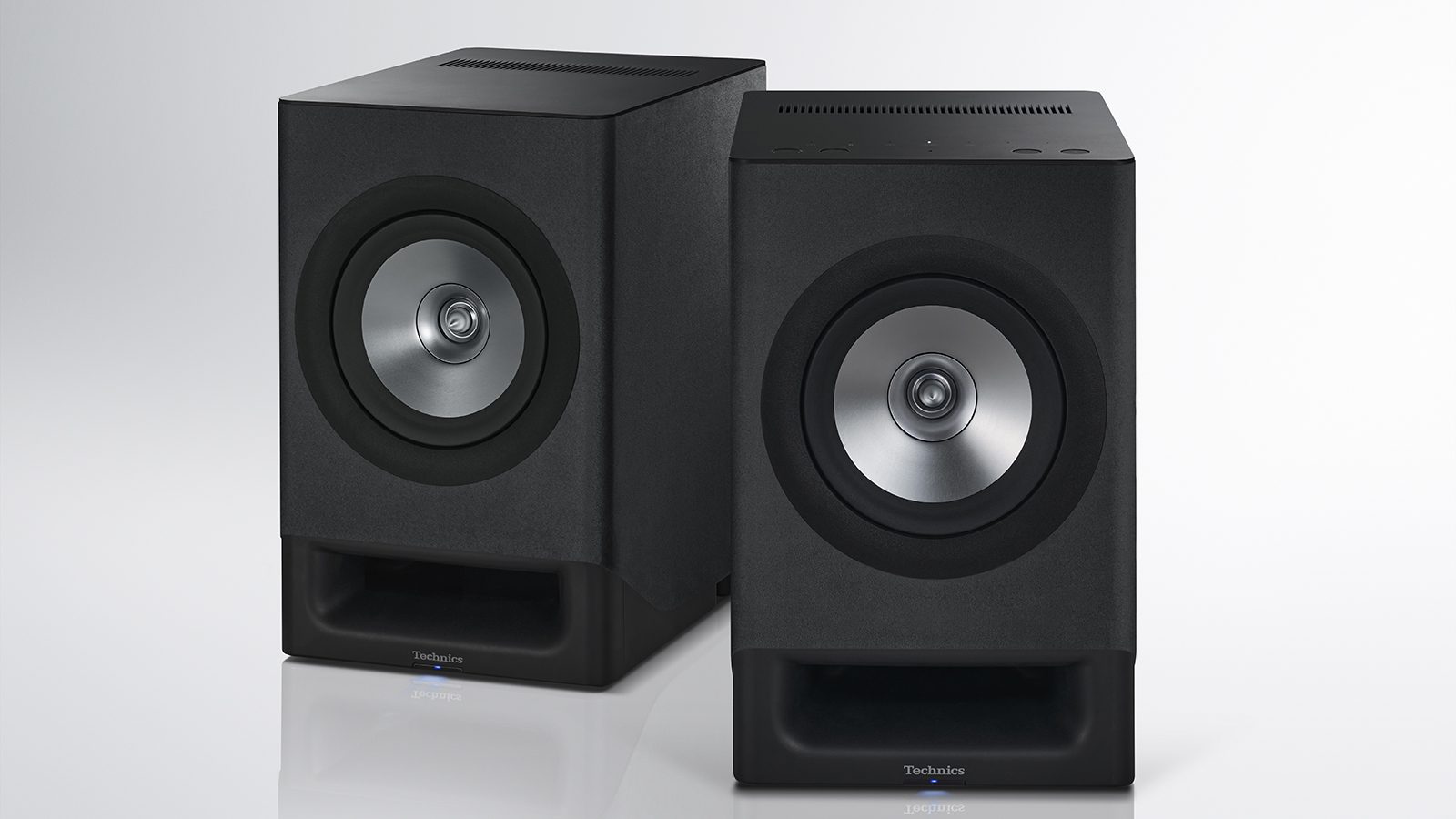
The Technics SC-CX700 is a self-contained, wireless, active loudspeaker. That category is currently experiencing significant growth in the market. This makes sense considering the concept addresses a typically challenging issue. Wireless active speakers can operate independently as a single-unit system. However, because they come as a pair, they can also deliver genuine stereo performance.
Technics is a promising candidate for being proficient in building wireless active devices, as it produces all the necessary hardware in-house. This means it isn’t dependent on third-party suppliers for crucial components. The SC-CX700 supports a combination of digital and analogue inputs. It can also be used with a TV. This aligns with key rivals. I’m not claiming Technics has been triangulating the same information as others and assessing the existing platforms on the market… but I’m not not claiming it either.
Network connections
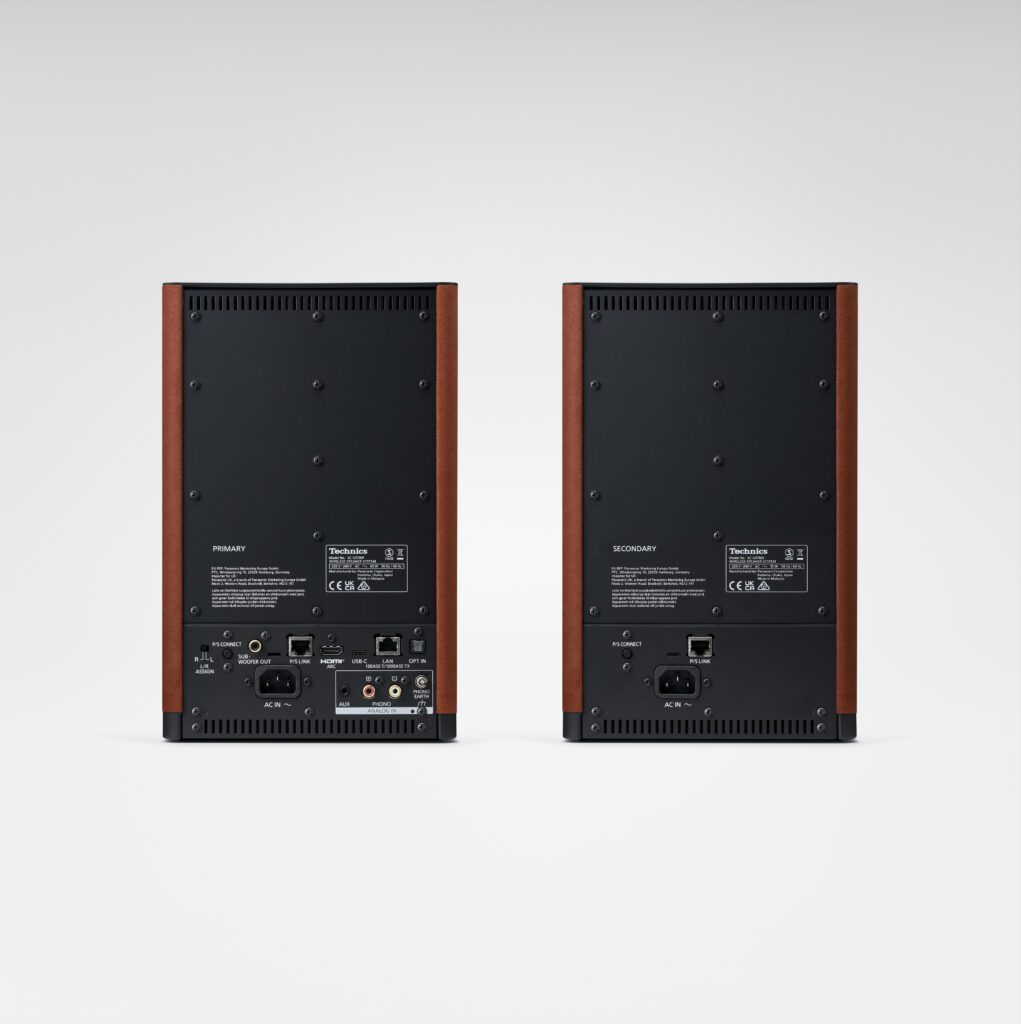
The Technics SC-CX700 mainly functions via a network. It supports up to 384kHz PCM and DSD512 material through LAN. It is compatible with Tidal, Qobuz, Spotify Connect, and Deezer. AirPlay and Chromecast, along with AAC-compatible Bluetooth, enable most content to be streamed wirelessly to the Technics. Additionally, the device includes a USB-C input (which surprisingly has lower format support than the network input), an optical connection, and an HDMI ARC input.
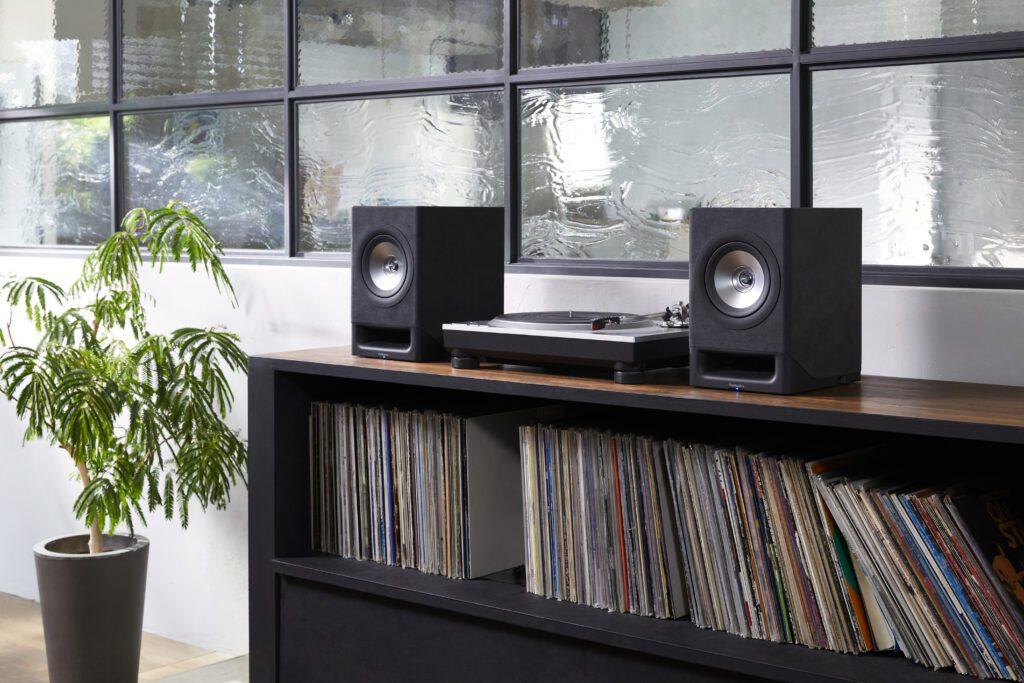
It’s worth noting that the difference between analogue and digital on a device like this is somewhat arbitrary, as everything sent to the Technics must be digitised to work via a wired or wireless connection. When used with a wireless connection between the speakers, this tops out at 96kHz. Connecting them with the supplied Ethernet cable increases the sampling rate to 192kHz.
Therefore, everything is digitised, but traditional ‘analogue’ connections remain available. These include a 3.5mm analogue input and a moving magnet phono stage. Technics is well known for its turntables. However, since the SC-CX700 is likely to be paired with phono stages, I am uncertain how frequently the on-board option will be used.
Enhanced dispersion
Each cabinet features a dual concentric design for its two drivers. A 150mm mid-bass driver surrounds a 19mm ring-type tweeter. In addition to enhancing dispersion, this design also reduces the cabinet size. The driver is paired with a front-mounted bass port and powered by 100 watts of onboard amplification. This is intentionally with an uneven distribution: 40 watts to the tweeter and 60 watts to the larger driver.
These amplifiers are Class D and feature specific Technics innovations, such as the JENO Engine to minimise jitter. They also feature Model-Based Diaphragm Control (MBDC), which reduces harmonic distortion by mimicking the diaphragm’s movement to optimise it. As a result, it decreases distortion from its actual motion.
With the SC-CX700’s sensible dimensions and solid build quality, Technics has crafted a device that should fit comfortably in most homes. The decision to use a single speaker as the input point, which can be assigned to the left or right to streamline setup, means that cabling only needs to run to one side. It also requires just two mains sockets. Unlike the Triangle Capella, which needs three.
Dinamica
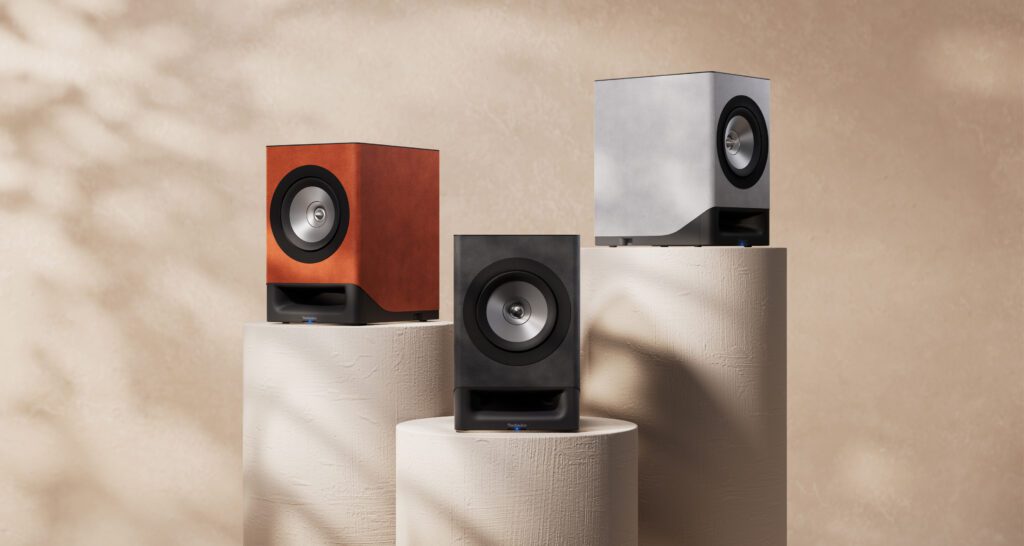
Each SC-CX700 speaker is covered in a material called Dinamica. This is made from recycled polyester but closely resembles suede. It feels pleasant to touch and stands out from competing products. It is available in three colours: black, white, and brown. The latter looks more like a burnt orange to my eyes. I truly enjoy it in person, although some visitors were less drawn to it.
The control app is decent but not outstanding. It offers an easy setup process and reliable stability, but it doesn’t quite match BluOS or some features of the WiiM app. Fortunately, both Tidal and Qobuz Connect, as well as Roon, are supported as alternative control options. Roon provides a more engaging interface for the SC-CX700 if you have access to it. Another positive point is that Technics hasn’t relied solely on the app as the only control method. You also get a well-designed remote and a few buttons on top of the main speaker for muting and input selection. This makes it simple to use daily.
Space Tune
With the painless setup finished, my listening experience with the Technics SC-CX700 was split into two clear parts, and this is due to another feature hidden in the app called Space Tune. This is a straightforward EQ app that allows Technics to analyse its environment and adjust its output accordingly.
With EQ set to its default, the performance is enjoyable but somewhat limited. Duke Garwood’s fabulously murky Rogues Gospel [God Unknown] is tonally authentic and boasts a superb stereo image. Recent Technics speakers with the concentric driver setup have excelled in this area, and the SC-CX700 is no exception.
At the same time, the performance feels slightly lacking in sparkle and drive. The shuffling but ultimately propulsive ‘Love Comet’ doesn’t quite have the same energy it shows elsewhere (and indeed, on the Triangle Capella). It’s extremely civilised and has a very commendable sense of scale. However, there are moments when you want the Technics to let rip and convey more emotion. Yet it seems reluctant to do so.
Noticeable improvement
However, run the Space Tune through and let the SC-CX700 assess its environment; things improve noticeably. The default setting for the SC-CX700 is quite cautious, which explains some of its perceived lack of sparkle. Allow it to give feedback on the room it’s in, and the Technics adapts quite effectively. It’s a shift from simply plugging in and playing, but one that is worthwhile. After making these adjustments, the Technics delivers the debut album from Ibibio Sound Machine [Soundway] with greater vitality. Suddenly, the wonderful ‘The Talking Fish’ becomes engaging both emotionally and technically.
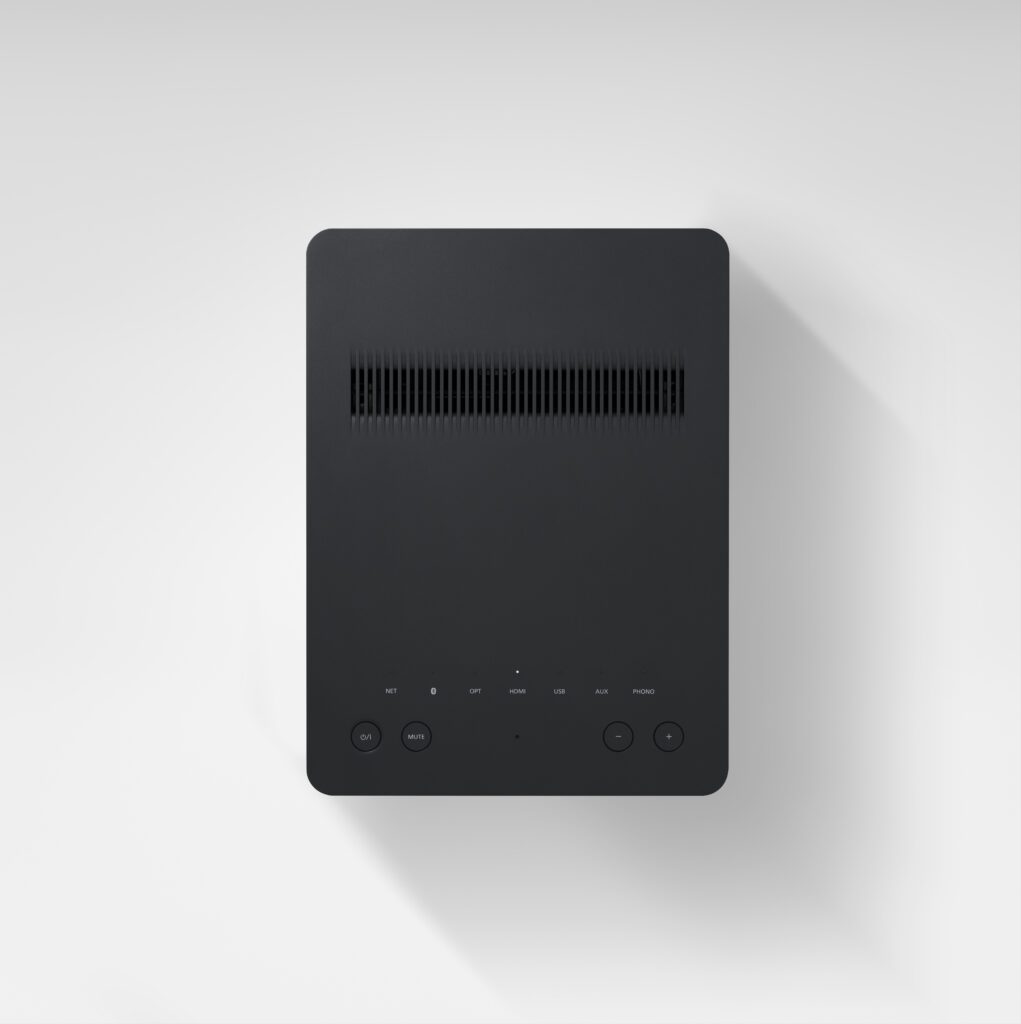
What is most impressive about this is that none of the more refined abilities that the Technics SC-CX700 displayed straight out of the box are diminished. Everything still possesses commendable tonal accuracy and that superbly three-dimensional soundstage. However, there is a bit more vigour to the presentation. One area where this is especially noticeable is when the Technics is used via its HDMI ARC connection with a TV.
If the speakers are positioned sufficiently far from the screen, the Technics SC-CX700 can precisely align on-screen events and enhance the overall perception of those events. The behaviour of the ARC input remains entirely consistent and stable. This makes it likely to be beneficial in this regard. Finally, I found the phono stage to be capable, but if the option were available, most turntables with a built-in phono stage would better preserve their sonic integrity.
Broader perception
This contributes to a wider perception of the balance that Technics has aimed for with the SC-CX700. Compared to larger models like Triangle or KEF’s well-established but still excellent LS50 Wireless II, the Technics might seem less explicitly ‘hi-fi’. It begins to struggle at volume levels that the other two can easily reach. Mainly this is due to its smaller cabinet and the physical constraints that come with it.
This doesn’t tell the full story, though. The Technics SC-CX700 is a more pleasant device to use and live with daily than either of those models. Indeed, it is the most effective example of a wireless active speaker I have tested so far. What Technics has done is harness its formidable engineering and software expertise to create a device that is enjoyable to live with. Yet it still offers enough hi-fi qualities to surpass single-chassis alternatives. It’s a well-balanced compromise, and Technics is likely to attract many admirers as a result.
Technical specifications
- Type: Two-way, bass reflex, Wireless Active Speaker
- Analogue Inputs: 1x Phono (MM), 1x Aux
- Digital Inputs: 1x Optical, 1x USB-C
- Analogue outputs: 1x Subwoofer, 1x headphone socket
- Digital output: 1x HDMI ARC
- Drive units: 1x 19mm ring-type tweeter, 150mm cone woofer
- Total Output Power: 200W (100W x2) Woofer 60W/Tweeter 40W
- Supports: Google Cast/ AirPlay/ Bluetooth (AAC, SBC)
- Internet Services: Spotify Connect, Deezer, Amazon Music HD, TIDAL, Qobuz, Internet Radio, Roon Ready (OTA)
- Wireless Connection: PCM 96kHz / 24bit
- Wired Connection: PCM 192kHz / 24bit
- Dimensions (W x H x D): 201 x 313 x 276 mm (Primary speaker) 201 x 313 x 272 mm (Secondary)
- Weight: Appx. 9.1 kg (Primary) Appx. 8.9 kg (Secondary)
- Price: £2,399, €2,499, $2,999
Manufacturer
Technics
Trending Articles
See all
hi-fi+ issue 250: the Awards
- Dec 02, 2025
Master Fidelity NADAC, D NADAC C
- Sep 25, 2025
Musical Fidelity M8x DAC
- Aug 03, 2026

By Ed Selley
More articles from this author
Read Next From Review
See all
Ruark Audio R610
- Sep 08, 2026
Ultrafide Audio DIAS-U8
- Sep 07, 2026
Revival Audio Sprint 3
- Aug 31, 2026
Transrotor Bellini TMD, TRA 9, Figaro
- Aug 31, 2026