Up to 37% in savings when you subscribe to hi-fi+
hifi-logo-footer

Begin typing your search above and press return to search. Press Esc to cancel.

Speakers you can tune? Matterhorn Fink Team at Pacific Audio Fest

These Matterhorn Fink Borg and Kim speakers displayed at Pacific Audio Fest have a “futuristic” design and individual tuning capabilities.

Veronica Diaz with Matterhorn Audio shows off these “futuristic” speakers at Pacific Audio Fest in Seattle in the video below.

Part of the Matterhorn Fink Team, Diaz talks about the Borg and Kim speakers, which can be tuned individually on the back of the unit.

For more information on the products seen in this video, visit the links below:

https://www.matterhornaudio.com/product-page/finkteam-kim

You can see this video and more on the Hi-Fi+ YouTube Channel, such as Tea Time with Alan and Pete.

Hi-Fi+ Editor Alan Sircom and Publisher Pete Collingwood-Trewin talk about what’s happening in the high-end audio world.

Tea Time with Alan and Pete is just one of several new series on the Hi-Fi+ YouTube channel designed for audiophiles of all levels.

Another series is History of Audio, which aims to teach viewers a little about the History of Audio, which might be a trip down memory lane for many. It also hopes those who watch will learn from the varying experiences of other audiophiles through their trials and tribulations with different equipment.

While you’re on our YouTube channel, be sure to check out our Audio Basics series. So far, this series has covered what makes a great stereo system and how to find a great stereo system.

Soon, you can find reports from manufacturers at audio shows from around the world. You can see the likes of Aurender, Focal Naim, AudioThesis, Schiit Audio, and Magnepan, just to name a few. Right now, you can see what debuted at AXPONA 2022 and a bit from the Texas Audio Roundup, including background on the Magnepan LRS+. New videos from Pacific Audio Fest in Seattle are also being uploaded every week.

You can also see product reviews on the hi-fi+ YouTube channel coming soon.

Be sure to subscribe to the YouTube channel so you don’t miss any episodes!

Click to go back to homepage.

Changing Demographics Critical to Audio Marketing

Many OEMs and retailers have noted the sense that the audio community is aging. Audio has definitely become part of a larger group of hobbies over the last 50 years, and with more competition, audio has undoubtedly lost some market share. At the same time populations around the world have risen (U.S. population for example was 227M in 1980 and is now 332M, a 46% increase) and incomes have grown in real terms (U.S. GDP per capita has risen from $29k to $59k from 1980 to 2021, a 103% increase). So, in financial terms the total market is about 3X what it was.

While this is good news in some ways, a point that tends to get lost is the shifting composition of ages within these numbers. First, let’s get our facts down. Again, using U.S. statistics for comparability, we note that percentage of people over the age of 42 is 47%. The percentage of the population under the age of 42, but old enough to be interested in audio is 43%.

There are many possible takeaways from this for audio marketers:

  • We must market to older people because the largest portion of people are older
  • These statistics are even more pronounced in Europe and Asia
  • Because birth rates are declining globally, the slight bias of population demographics toward older people will continue and expand
  • There are a lot of younger (ages 12-42) people and they are of the ages where habits are formed, often for life
  • Marketers ignore this younger group at their peril, but marketers must recognize that marketing efficiency is likely to be lower with this group unless highly targeted media are used

Nextscreen Networks offers two platforms to help audio marketers reach key audiences efficiently. Each platform is aimed at a specific audio-desirable demographic.

  • The Absolute Sound is aimed primarily at 42-64 year old audiophiles globally
  • hi-fi+ is aimed at younger audiophiles globally, primarily between the age range 28-48
  • Each of these groups is at the top income level for their age ranges

Will new AirPods Pro support lossless audio?

The newest AirPods Pro were revealed at the Apple event Wednesday, and many questions are being asked about the new product.

One of those questions is: “Will they support lossless audio in Apple Music?”

The answer to that question seems to be: “No.”

In the Apple news release issued Wednesday when the new products were revealed, there is no mention of lossless audio support in the AirPods Pro. This doesn’t mean they absolutely will not, but as rumors about the feature being included in the new product swirled before its announcement, its absence in the time since the announcement appear to indicate that they will not feature lossless audio support at this time.

The latest ear buds from the California company also claim to feature Personalized Spatial Audio in music, movies, and TV shows by using dynamic head tracking via the True Depth iPhone camera, according to the news release. However, a footnote in the news release indicates this feature will not be available until October.

For more on the latest AirPods Pro, click here.

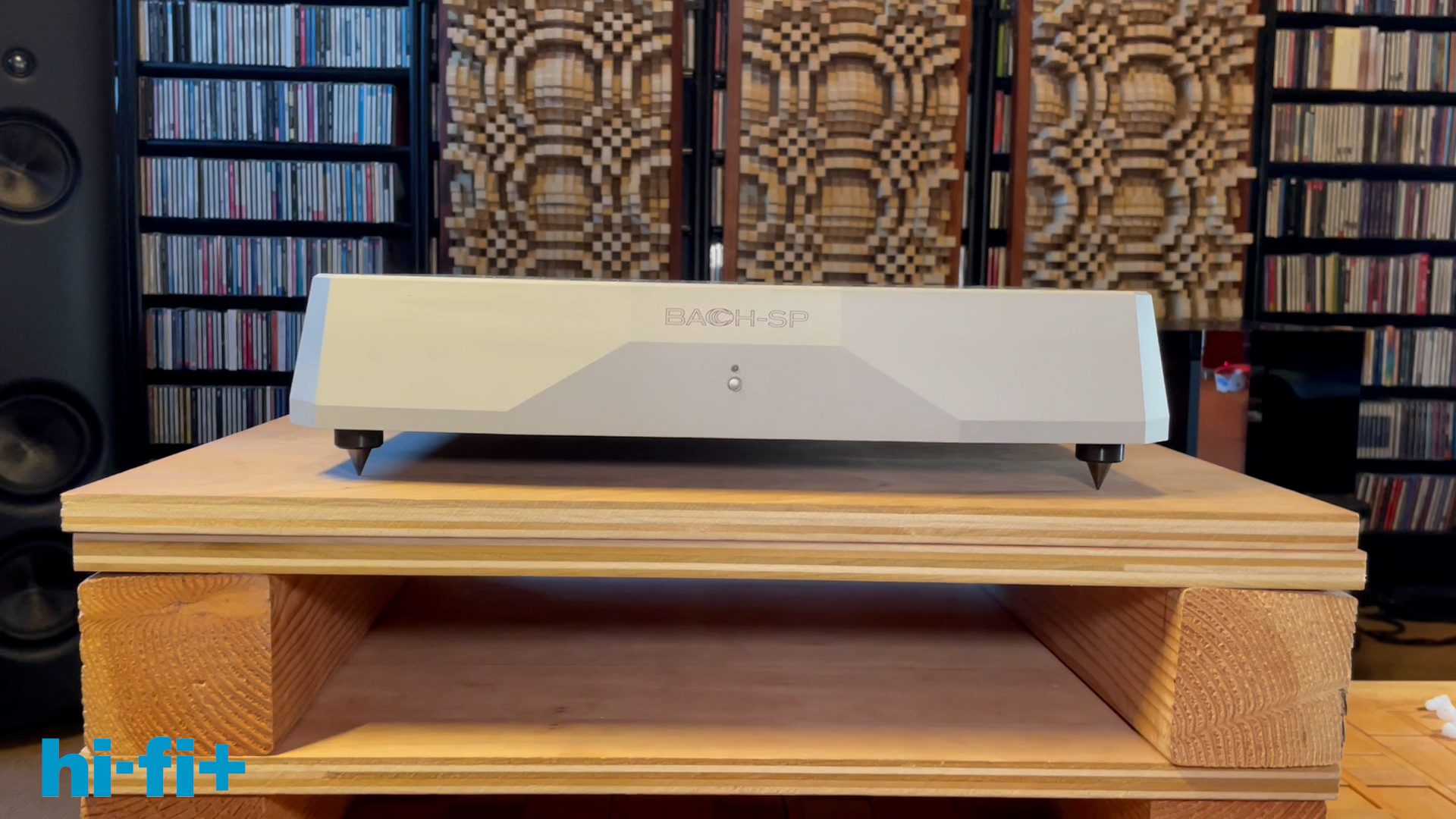
BACCH-SP review: What is a stereo purifier?

BACCH-SP adio stereo purifier

In this video, Andy Quint reviews the BACCH-SP adio, a stereo purifier from Theoretica Applied Physics.

The BACCH-SP adio has an integrated DAC and is one of Theoretica’s latest stereo purifiers for audiophile 3D imaging.

Quint talks about how to set up the SP for both speakers and headphone listening, including how to use the included ear microphones and a quick look at the webcam that is also included, as well as its use on tablets like the iPad.

You can see this video and more on the Hi-Fi+ YouTube Channel, such as Tea Time with Alan and Pete.

Hi-Fi+ Editor Alan Sircom and Publisher Pete Collingwood-Trewin talk about what’s happening in the high-end audio world.

Tea Time with Alan and Pete is just one of several new series on the Hi-Fi+ YouTube channel designed for audiophiles of all levels.

Another series is History of Audio, which aims to teach viewers a little about the History of Audio, which might be a trip down memory lane for many. It also hopes those who watch will learn from the varying experiences of other audiophiles through their trials and tribulations with different equipment.

While you’re on our YouTube channel, be sure to check out our Audio Basics series. So far, this series has covered what makes a great stereo system and how to find a great stereo system.

Soon, you can find reports from manufacturers at audio shows from around the world. You can see the likes of Aurender, Focal Naim, AudioThesis, Schiit Audio, and Magnepan, just to name a few. Right now, you can see what debuted at AXPONA 2022 and a bit from the Texas Audio Roundup, including background on the Magnepan LRS+. New videos from Pacific Audio Fest in Seattle are also being uploaded every week.

You can also see product reviews on the hi-fi+ YouTube channel coming soon.

Be sure to subscribe to the YouTube channel so you don’t miss any episodes!

Click to go back to homepage.

The Absolute Sound and hi-fi+ Offer Multi-Regional Coverage for Marketing Efficiency

For several years, Nextscreen Networks has been building the circulation of hi-fi+ and The Absolute Sound magazines across the three major global geographies: North America, Europe and Asia. Our objective is to help audio marketers gain efficiency by helping them target the geographies they are interested in.

Both The Absolute Sound and hi-fi+ magazines are pursuing a relatively balanced regional distribution:


We allow flexibility in geographic targeting:

  • Marketers in 2022 can target North American audiophiles exclusively
  • Marketers in 2022 can target European or Asian audiophiles
  • Marketers in 2022 can target U.K. audiophiles
  • Marketers in 2022 can target Global audiophiles in all three major regions

For marketers who chose a Global audience, substantial discounts are offered to make this an especially efficient approach. Your client service representative can discuss these efficiencies. He or she can also explain how billing can be done in your local currency and consolidated in a single invoice.

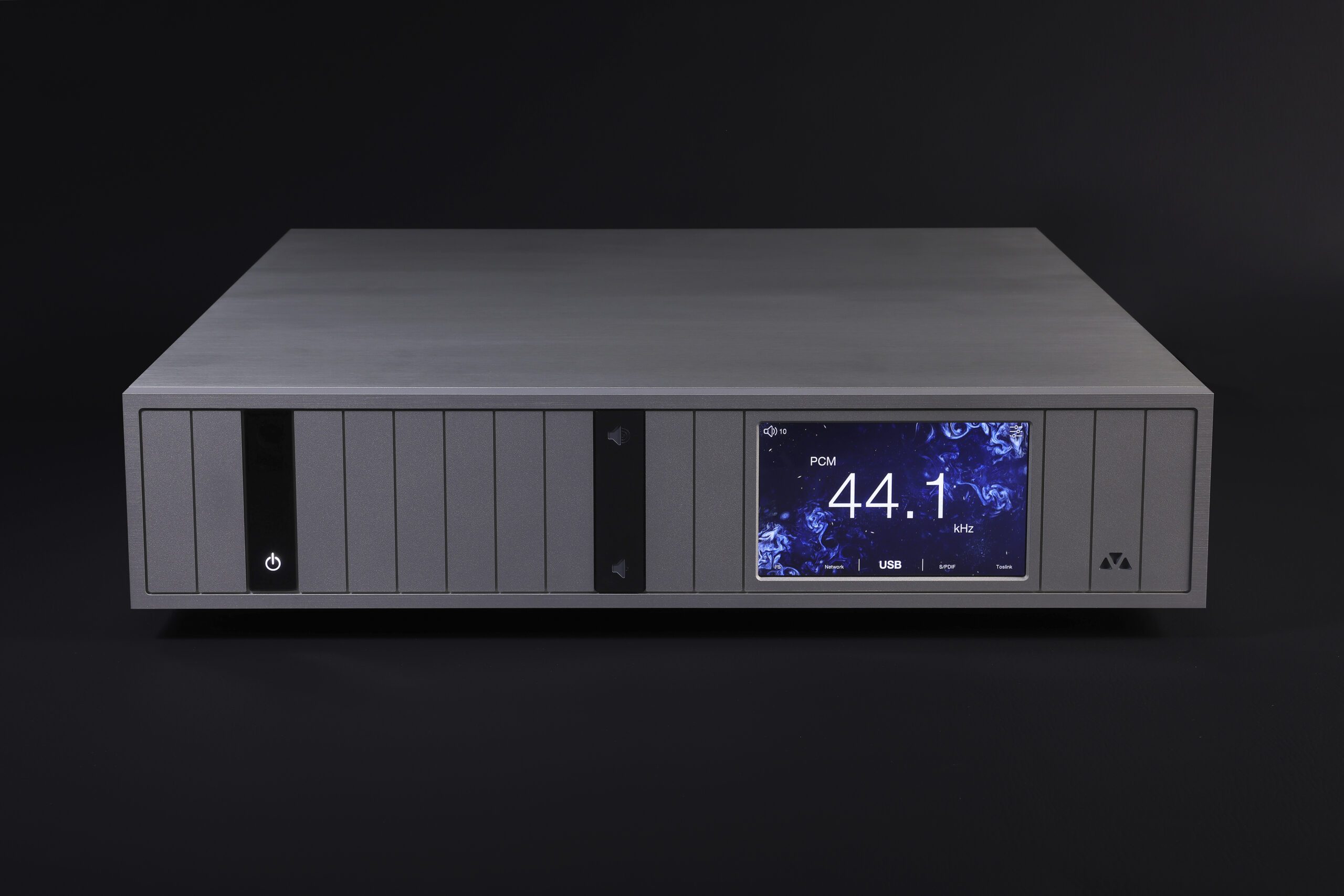
Métronome Technologie DSC

There are few parts of the audio world as contended as computer audio. From the humble USB-powered DAC to complicated devices that take the place of half your existing system, the ‘post-physical’ digital world is manifold, complicated to implement, and at times bewildering. By the standards of the rest of the audio world, the post-CD digital world is a hotbed of activity. The Toulouse-based Métronome Technologie has long been at the digital leading edge, thanks to products like its DSC.

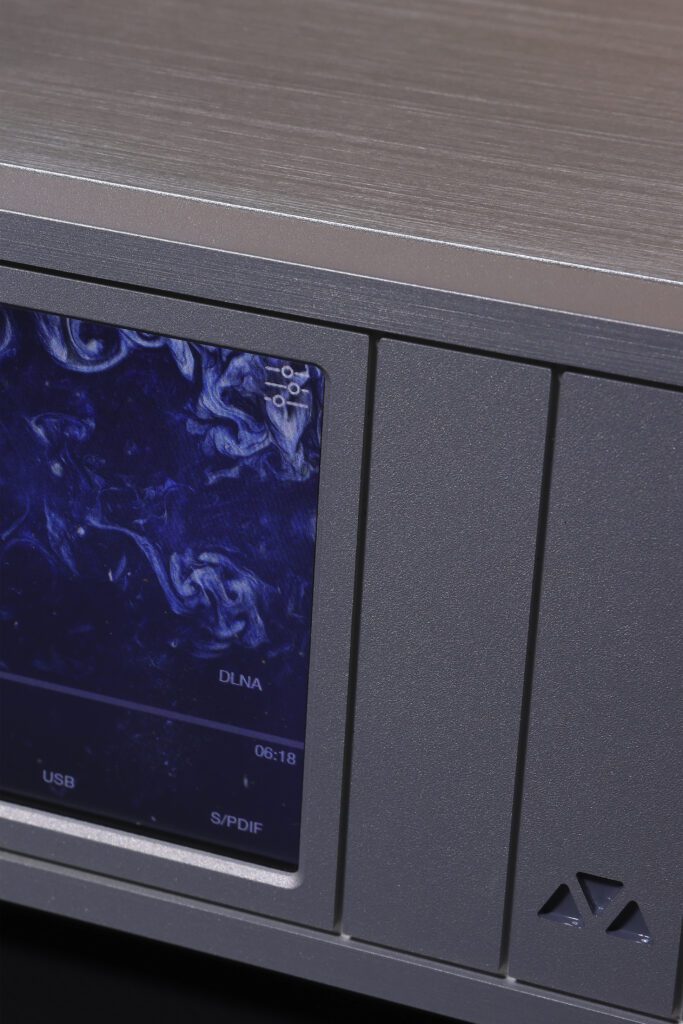
 DSC (or ‘Digital Sharing Converter’) is at the ‘flexible’ end of the modern digital audio spectrum. It’s a networked streaming preamplifier and DAC in one, allowing signals from a vast array of digital sources (basically, if you can’t find a suitable digital input out of an array spanning Ethernet, two kinds of USB – for laptop users and those with USB hard drives full of music – coaxial and Toslink S/PDIF, AES/EBU on XLR and even I2S on HDMI… then you are either trying to prove a point or are just not trying hard enough).

To the max

You could simply use it as a DAC, maxing out the volume control and pretending the network side does not exist. And in this aspect, the DSC fares well; built on an ES9038PRO Sabre DAC, the Métronome device decodes PCM to 32-bit, 384kHz, DSD to DSD512 and supports MQA. You’d be a little crazy to do this because there are other products – even other Métronome products – that do the same job, and you would be paying a healthy premium to include sub-systems that never get used in this case, but its DAC section is no slouch.

Métronome Technologie DSC

Realistically, Métronome DSC users will be looking for a single box to replace all their digital sources and preamplifier combined. This does preclude those with any analogue sources (unless they fancy a spot of digitisation first). However. it’s likely that by now, your view on analogue is either one of full embrace or total abandonment, and if the latter, the DSC ticks all your boxes for a top-end front end.

The DSC is a minimalist design with an industrial look reminiscent of some classic computer hardware architecture. You could convince someone that you’d installed a high-end blade server in your listening room, except for the absence of fan noise. However, the takeaway point from this is the solidity of the design; this is a heavily well-made product with the sort of care and attention that’s hard to find and harder to fault.

Plug & Play

Métronome also uses the term ‘Plug & Play’ in terms of its ease of use. That term was overused a few years ago and barely gets rolled out anymore. It seems appropriate here, as it is a device you insert into your system… and it’s done. This gets an order of magnitude easier if Roon is in the mix, as the DSC is Roon-ready.

Regardless of your feelings toward Roon, the DSC runs on a solid backbone of UPnP and DLNA connectivity. Wire it into your Ethernet network (you can use an aftermarket Wi-Fi dongle, but I’d argue against it on moral grounds), and if there is any kind of UPnP media server on the network, the DSC will act as its close friend, confidant and renderer. I used it with a Naim Uniti Core and the Melco D100, and in both cases, it made friends quickly.
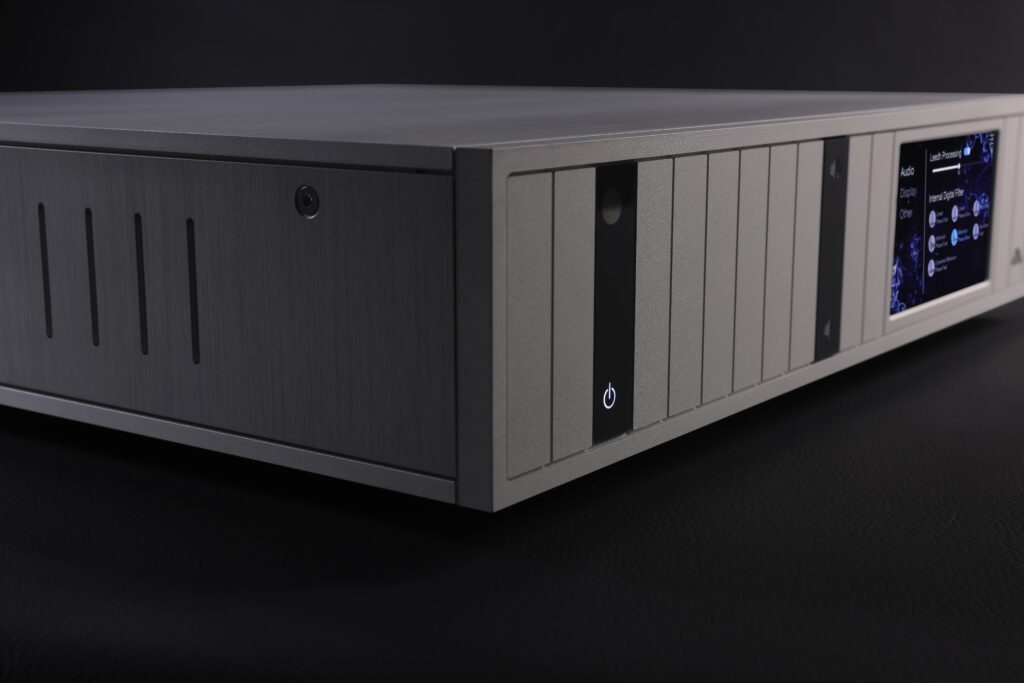
Métronome Technologie DSC

If you aren’t going down the Roon route, Métronome provides a remote handset to accompany the touchscreen and recommends the Mconnect app. I’m conflicted by this; the app is excellent, and I’d much prefer relying on this app than an in-house app that comes pre-broken, but I also think a bespoke app is a requirement at this price and performance point.

Yes, that requirement all but goes away in the presence of Roon, making an in-house app even less of a functional and practical proposition. However, for many, the control surfaces of a streamer begin and end with the app itself and by going with a third party (no matter how good), it might not show the Métronome DSC in the light in which it should be seen.

The Equaliser

Minor niggle aside, the Métronome DSC is an excellent musical equaliser, not in the ‘graphic’ or ‘parametric’ sense. It allows the user to join hands with online subscription services like Tidal, Qobuz, Spotify and Deezer, and interwebular radio through vTuner. These blend seamlessly into your local storage on computers or network-attached storage (NAS) boxes. Granted, you must sign up for these subscription services on a computer or tablet. But I don’t have a problem with this… entering your credit card details into a five-inch touchscreen (or worse, through the remote handset) breaks the minds and thumbs of modern mankind.

In a very real way, I’ve been saving the best until last. Although very well implemented, there aren’t many things that differentiate the Métronome DSC from similar streaming preamplifiers from several well-respected companies. If Métronome didn’t have an ace up its sleeve, it would still fare well against some big hitters in this hotly contested field. But there’s Leedh to contend with, and that is Métronome’s ace up its sleeve. Leedh is a French signal processing company with plans for every aspect of digital signal processing but is currently concentrating on volume in the digital domain.

Digital volume controls have (mostly) moved on from the crude truncation systems of early 24bit attenuators on 16bit digital files, but ‘moved on’ typically means ‘truncating a dithered signal’. Dithering relies on an excellent algorithm to prevent folding quantization noise into the original signal, and not all algorithms are created equal. Leedh actively minimises the number of bits used to quantize the digital signal so that the amount of information loss is reduced at the truncation stage.
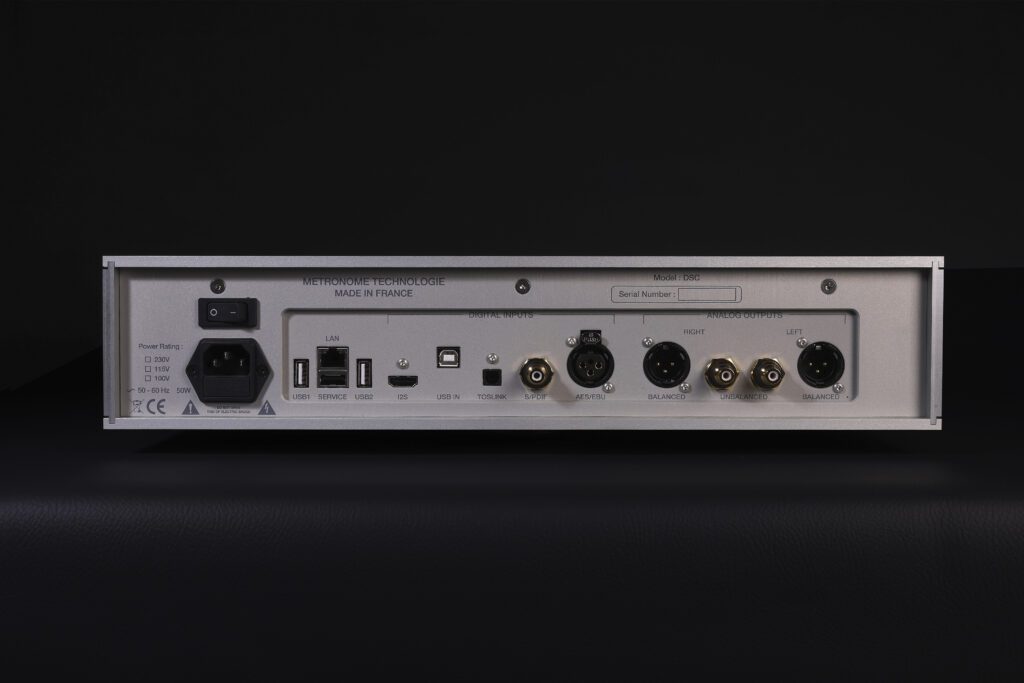
Métronome Technologie DSC

This means the attenuation doesn’t undermine the performance of the signal but comes at a trade-off of fewer fine steps to that digital volume control. Put simply, if you want 0.1dB volume changes in the digital domain, you must put up with compromised digital sound at any volume thanks to quantization noise being mixed into the digital datastream. Leedh means wider volume steps but vastly improved sound quality.

Gaining ground

Leedh is gaining ground with manufacturers, with Lumin and Soulution joining Métronome taking up the Leedh challenge (and fellow French company Vermeer Audio set to follow soon). If you think the quantization noise of conventional digital volume systems is the lesser of two evils, then you’ve probably not heard Leedh at its best. It makes a solid case to be the only volume game in town!

Finally, the analogue side of things is well-covered by the DSC, with a set of RCA plugs for single-ended systems and XLRs for balanced. It doesn’t have much in the way of digital outputs. Still, with increasingly thorough Digital Rights Management systems preventing recording, digital outputs are more useful for multiroom systems than recording. Given the Métronome’s robust Ethernet connectivity, chances are if you are using multiroom, you won’t be outputting that digital signal from the DSC anyway.

The specifications and feature list of the Métronome are exciting and promising, but it still places the DSC in the middle of many rivals. Those will look to the top-end Linn and Lumin products and wonder if the DSC is just an also-ran. It isn’t.

Right where it counts

Métronome scores highly right where it counts; in the sound quality department. The company has long made a sound that is approachable, natural, and free from a lot of that detail-first brightness commonly associated with top-notch digital audio. However, it does this without smoothing over the top end of the signal or making the treble too recessed or fattening up (and slowing down) the bass. It just makes the sound less forward and musically interrogative… in a good way.

It’s an exceptionally clear-sounding device, neither warm nor bright sounding. If that character could be summed up in a single word, it would be ‘honest’. Streaming ‘Sooth Lady Wine’ by Matt Corby [Telluric, Mercury, Tidal], it gives the track that warm, lush, modern take on a 70s rock jam, but then flipping over to ‘Crossings’ by Nils Frahm and Peter Broderick [Graz, for World Piano Day, Tidal], the sound shifted to the clean, clear, chimey sound of a closely recorded piano. This is a sign of a very good device, as it’s not introducing its character into the performance.

Looking at specific performance aspects in a streamer, it acquits itself exceptionally well. It’s a detailed and dynamic performer with an extremely good soundstage in a field that, if we are being honest, doesn’t often do too well in soundstaging. That good soundstage sits comfortably wide of the boxes and appears quite deep. However, there isn’t much height information, even on classic Decca recordings where such spatial information is very well rendered (Solti’s take on Mahler’s Eighth, for example, locally streamed from a ripped CD). Given the little better than 2D sound often heard through streaming sources, this puts the DSC into the top tier. Meanwhile, the same Mahler piece is excellent at showing how much bombast the DSC can play, and it’s a lot!

Maybe most important in the Métronome DSC’s sound is how it makes music sound effortless and authentic. In that respect, it sounds closer to a good CD or even LP than most streaming devices. It moved so effortlessly from musical genre to genre that it played some poor recordings alongside some of the best without making the former sound like a dog’s breakfast by comparison. When you start listening to ‘The Sound Of The Underground’ by Girls Aloud [Polydor, Tidal] and thoroughly enjoying it as a damn fine pop record rather than getting a little snooty about the level of compression they used some 20 years ago, you know you are on to a bit of a winner.

Do it well

The more you listen to music through the DSC, the more you want to listen to music. That’s what the DSC does so well; we get so obsessed by high quality sound and the noises it makes, we often forget that behind all that, you need to have something that sounds good, and the DSC sounds damn good.

Another way to highlight the DSC’s quality is that it stands up to comparison. The comparison that few people are making is a like-for-like with CD. As something of a Brexit-meets-COVID bonus, I’ve been able to hold onto the excellent Gryphon Ethos CD player for far longer than I expected or deserved, but it indicates just how good CD can be. It’s difficult to ‘fess up’ to, but except for a few cases, when you play a CD against a ripped and streamed version of the same recording, the CD comes out on top. Only a handful of streamers get close to being on par with a very good player, and I’d struggle to find any streamer that takes on CD’s big guns and wins.

Perhaps it’s because Métronome’s sister brand Kalista makes one of those big guns of CD, but the DSC gets closer than most to that CD ideal. Compared with most streamers, the sound of streaming is flat and uninspiring. A few streamers give CD a run for the money with a more exciting and exuberant, and the Métronome DSC joins that select list of streamers that make the grade. This might sound like a hollow victory (a 21st Century format that finally outperforms a digital format that’s about to celebrate its 40th birthday), but it’s a victory, nonetheless.

Follow the Leedh-er

Finally, there’s that extraordinary Leedh volume control. It changes the game, getting you about as close to the music as possible. The closest we get to sound this good is with a passive or an autotransformer preamplifier. You might not think about how vital volume control can be until you hear just how good the next generation will be.
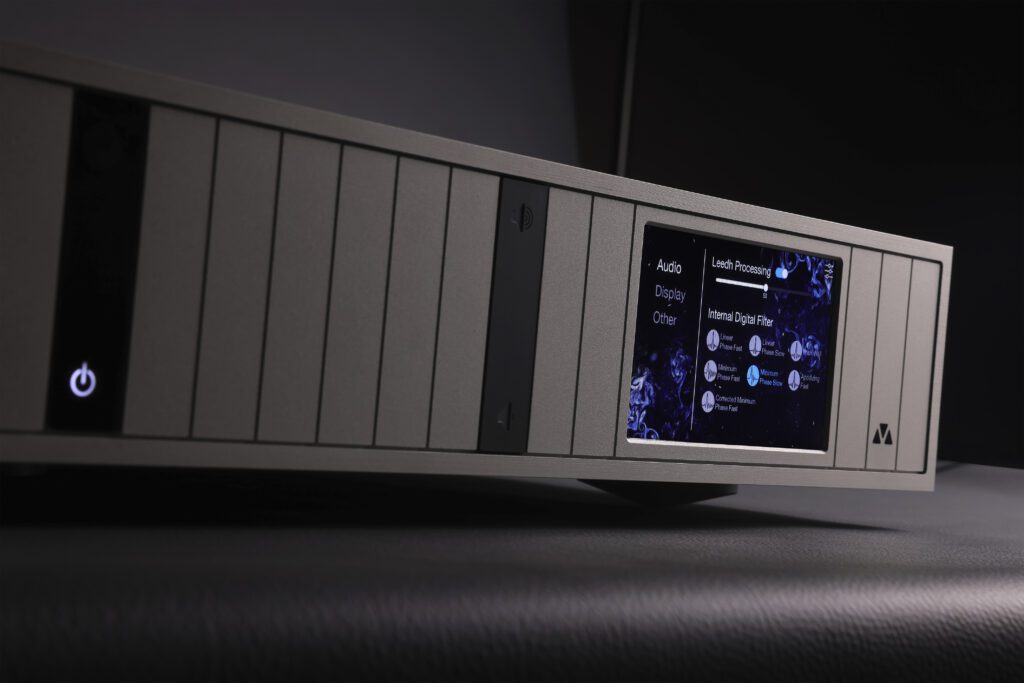
Métronome Technologie DSC

The two significant elements this volume control system brings to the sound are invisibility and consistency. You realise a couple of bars into a record that the pinch-point in audio is the volume control, and the Leedh concept just takes that away. This ties into the consistency issue, as the performance doesn’t change at any volume level. While there are more characterful and more immediately impressive streamers, this one stands with the best.

Many streamers seem to follow that quote by conductor Sir Thomas Beecham about the English; “they may not like music, but they absolutely love the sound it makes.” The Métronome DSC complete streamer/DAC/preamp system is one of the rare exceptions. It’s honest, accurate, neutral and above all, enjoyable. It’s a lot of money for a digital preamp, but you also get a lot of preamp for the money.

TECHNICAL SPECIFICATIONS

  • Type: Digital Streaming Preamplifier/DAC
  • Digital inputs: 1 Ethernet connector, 2 USB connectors, HDMI I²S (PCM & DSD), S/PDIF RCA, AES/EBU XLR, Optical Toslink
  • Analogue outputs : Unbalanced adjustable gain @0dB 100 Ohms – RCA, Balanced adjustable gain @0 dB 2 kOhms – XLR
  • Resolution: 32 bits/384 kHz DSD 64 to 512 (eq. frequency of 22.4 MHz)
  • Dynamic range : -137 dB
  • Distortion + noise : -122 dB
  • Internal Processor: 32 bit
  • Frequency bandwidth: 32 to 768 kHz
  • Bandwidth: 10 Hz–20 kHz +/- 0.1 dB –
  • Dynamic range: 127 dB
  • Unbalanced adjustable gain: @0dB 100 Ohms – RCA
  • Balanced adjustable gain: @0 dB 2 kOhms – XLR
  • Dimensions (W×H×D): 430 × 105 × 430 mm
  • Weight : 17 kg
  • Price: £24,000

Manufacturer:


Métronome Technologie

metronome.audio

UK Distributor:


Airt Audio

airtaudio.com

+44(0)1354 6525666

Back to Reviews

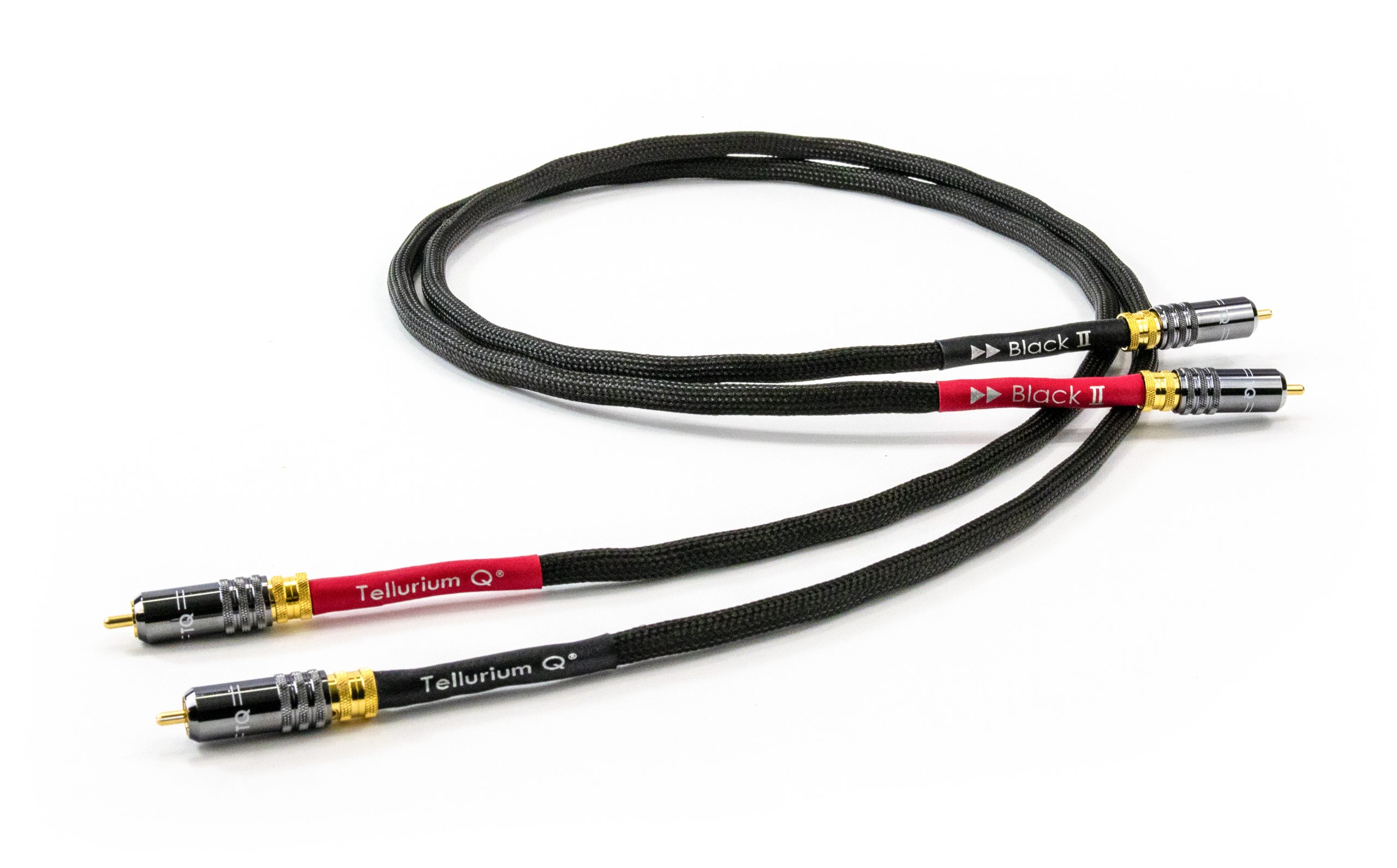
Tellurium Q Black II

How do I find yet another jokey way of describing a Tellurium Q cable without ever being able to mention anything about what it’s made of? Geoff Merrigan, CEO of Tellurium Q, is famously taciturn about the inner recesses of the company’s cables, preferring instead to give different families of cables different names to denote their place in the TQ hierarchy known as the ‘Matrix System’. Blue is the entry-level, then Black, then Silver. Then it repeats itself with Blue Diamond, Black Diamond and finally Silver Diamond at the pinnacle of Tellurium Q performance.

After that, things got a little confusing as ‘Ultra’ grade cables began appearing; Ultra Blue was better than Blue but not quite as good as Black, but Ultra Black was better than Silver and Blue Diamond. And then there was Reference, which knocked Silver Diamond off the top slot. And now, the Blue, Black, Silver and Ultra versions of each are getting their second outing in Mk II status, replacing the original six lines. At least there are fewer product lines in the interconnect cables. For now.

New and improved

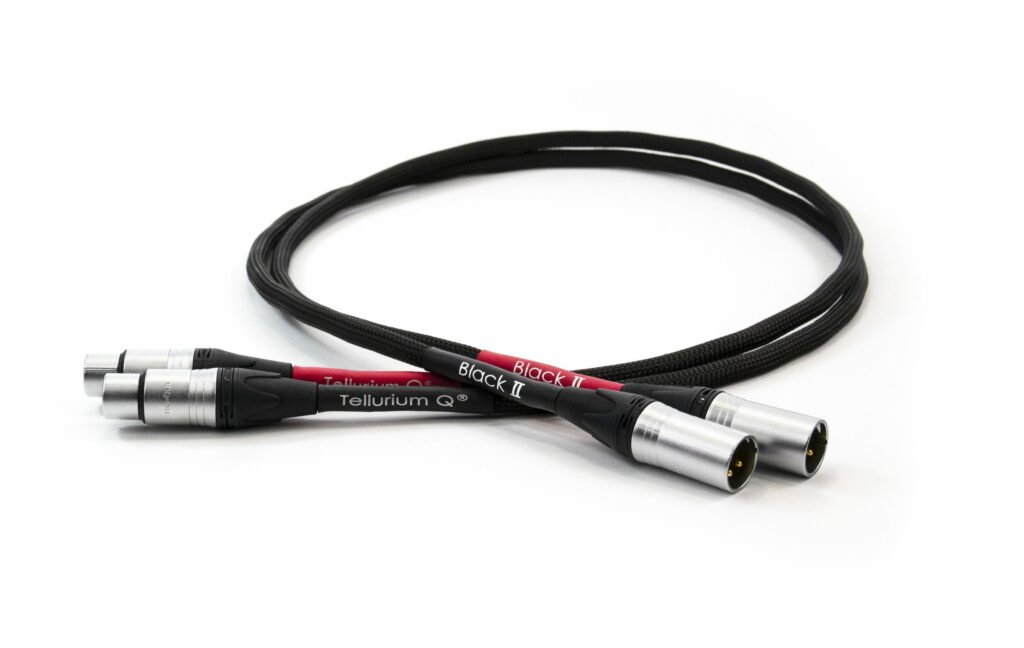
The new and improved Black II interconnects are available in single-ended RCA and balanced XLR form (I tried both). The improvements are not disclosed in physical terms; they would be academic anyway as they weren’t disclosed in Black, and the assumption is it’s either more – or less – of the same in Black II. The product lines have distinct characteristics, reflecting their potential place in a system. For example, Blue is designed to be exceptionally forgiving of the hard and brash top end one might find from inexpensive audio components.

On the other hand, once you get to Silver II and beyond, the cables become increasingly detailed and revealing because they are more likely to sit in with some very expensive audio equipment that demands revealing interconnects. As for Black and Black II, it has that difficult balancing act to deal with; neutral and transparent enough to bring out the best in good middleweight audio, but neither so open as to highlight any potential shortcomings in the system nor so shut in as to limit such systems potential to fly!

In a way, I agree with Geoff’s reluctance to discuss design, geometry and materials in any Tellurium Q cable because they can so easily sway listeners. We all make assumptions about the sound of specific materials or layouts and absent that information, we are ultimately tasked with listening to draw our conclusions. That being said, Tellurium Q does emphasise reducing what it refers to as ‘relative phase transient distortion’ and the Black II is geared toward maintaining phase coherence above all.

Not disclosed

How it works with phase is, of course, not disclosed. If it were simply the more ‘out there’ claims that Tellurium Q went all gnomic about, I’d argue that these claims were a little wild. But as Tellurium Q gives the same silent treatment about what metals it uses in its conductors as it does about ‘relative phase transient distortion’, I have to give the company the benefit of the doubt.

Tellurium Q Black was the great polariser in audio. Some loved it for its smooth and refined sound. Some hated it because they wanted a more lithe and bouncy-sounding cable. Even those with the same products in their systems were polarised by TQ Black, with some claiming it ‘tamed’ a system and others finding it ‘flattened the life’ out of a similar system.

Tellurium Q Black II XLR

Black II is more universal, covering both the need for refinement and the requirement for some additional rhythmic precision and energy. I still maintain that it goes more toward ‘refinement’ than it does ‘bounce’ with fast transients and a good sense of rhythm, but it has become a more egalitarian sound.

Sonically, Tellurium Q is on to something here. The sound is more focused and coherent than I expected; detailed without being overattentive toward detail, and precise without being prissy, but most of all, the sound is coherent and communicative. This holds as much when playing the sophisticated modern string quartet work ‘Entr’acte’ from Orange [Caroline Shaw/Attacca Quartet, Nonesuch] as it does when dealing with the retro 70s sound of the title track from Lady In Gold by Swedish rockers Blues Pills [Nuclear Blast Records].

She can cut it

The latter is especially telling; singer Elin Larsson has a powerful soul-rock voice; she’s no Janis Joplin but can still cut it. The track is almost poised on a knife-edge; any upsets in the system, and it loses its way after the middle eight, but Black II helps keep your attention on her and the rest of the band, and you get just a few glimpses of a modern Big Brother and the Holding Company. It hangs together because the Black II helps keep it together in those good, honest systems that cost a couple of grand, give or take.

The cable has its limits. Black II remains on the smooth side, and those with either very smooth sounding systems or – paradoxically – those after a more rough and ready sound may look elsewhere. Citing that Blues Pills track again, Black II just about keeps to the correct line making the sound very full and 70s.  Sometimes I’d want more graunch from those guitars.  And, if your system is on a fast trajectory to high-end superstardom, Black II will only go so far, and more revealing cables – including more revealing cables from Tellurium Q – beckon.

While I have no idea what Tellurium Q Black II is doing, what it’s doing that the original Black wasn’t doing, and why. But when Black II does what the cables are supposed to do – play music – those empty musings fade away. It doesn’t matter why Black II works; what’s important is that it does work. I can see the cable in various outstanding value systems. making them sound smooth, inviting, rhythmic, and musically engaging. It’s a cable to enjoy music by!

Price and Contact Details

  • Price: £370/m XLR; £285/m RCA

Manufacturer:


Tellurium Q

telluriumq.com

UK Distributor:


Kog Audio

kogaudio.com

+44(0)24 7722 0650


Back to Reviews

ProAc Tablette 10 Signature

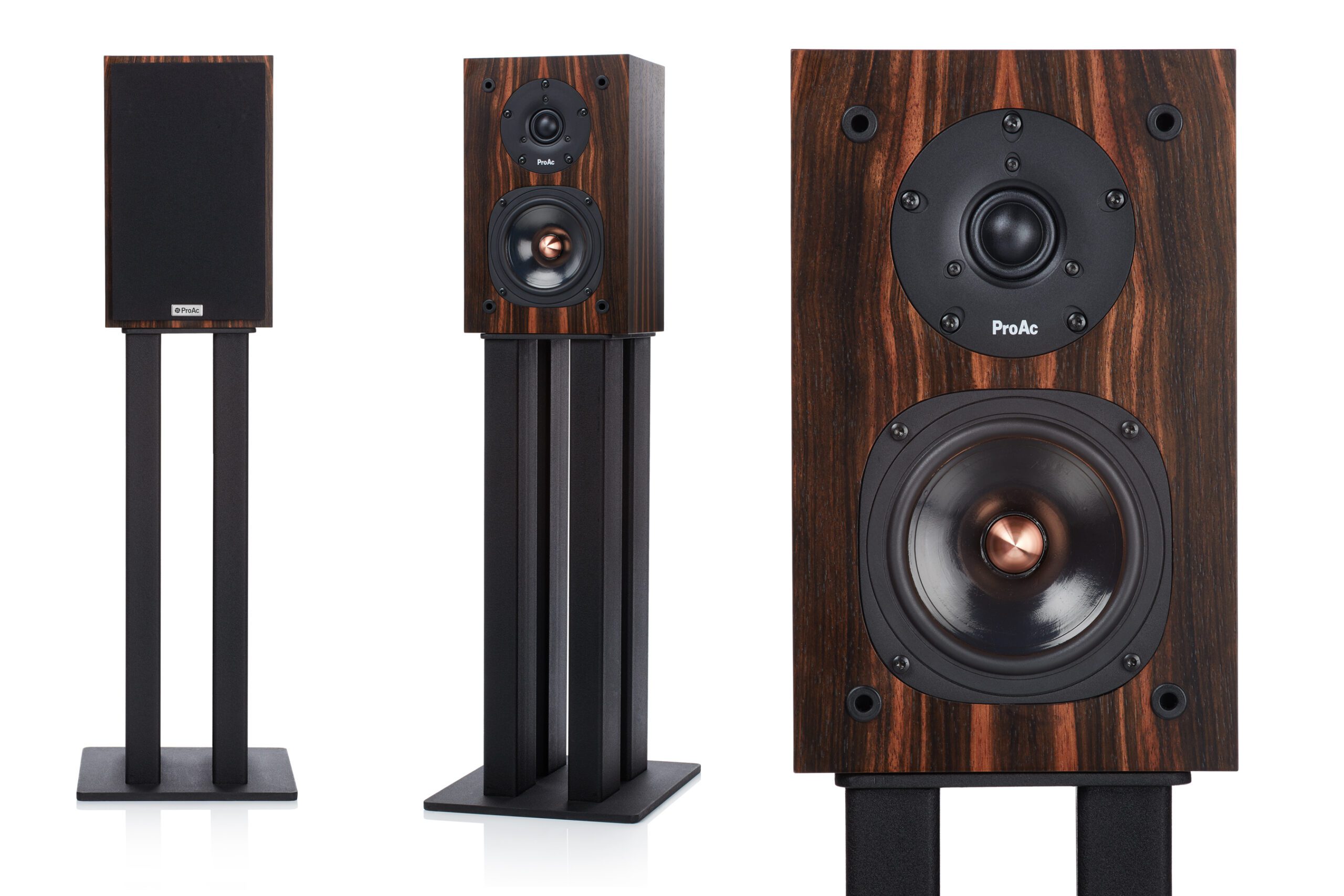
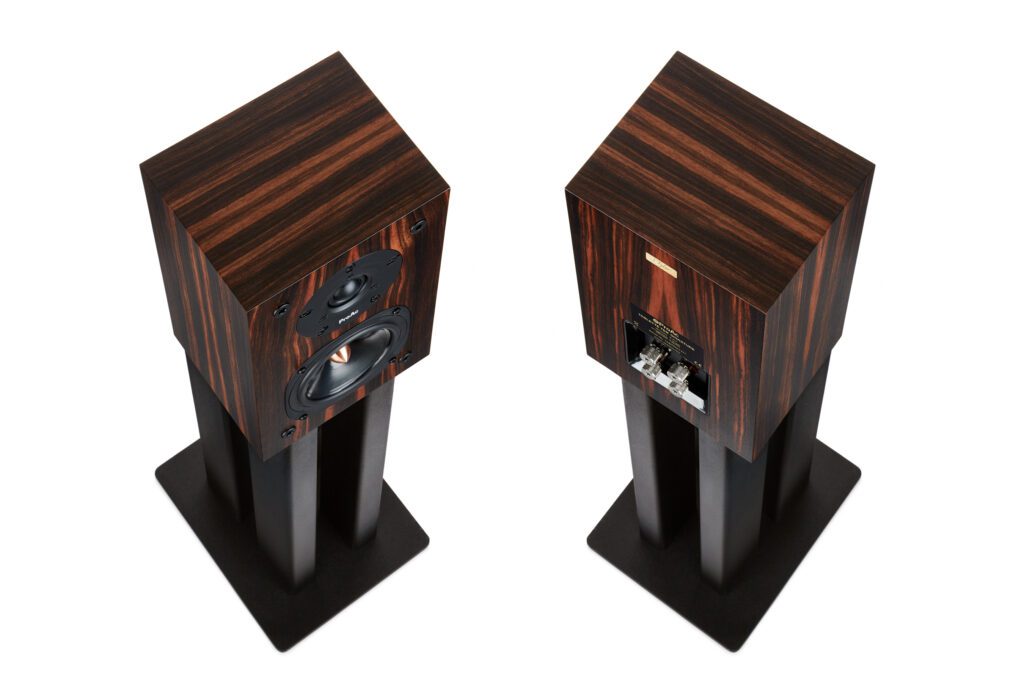
This was the review I never wanted to write. The autograph on the back of the ProAc Tablette 10 Signature is that of Stewart Tyler, founder and managing director of ProAc loudspeakers (before that Celef). On July 1, 2021, ProAc announced that Stewart had passed away.

The Tablette 10 Signature is very much Stewart’s legacy. Every inch of the ‘Tab’ is Stewart, and the loudspeaker cemented in place in many an audiophile’s homes, being the first ‘serious’ loudspeaker for many music lovers. You can count me among those whose blossoming interest in audio was piqued by ProAc’s tiny titans, and although I ultimately went in a different direction for a while, hearing what they did never left me.

ProAc Tablette 10 Signature

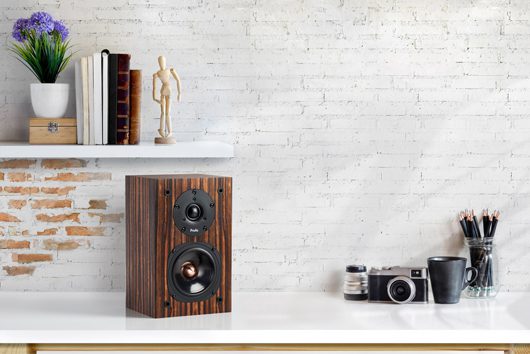
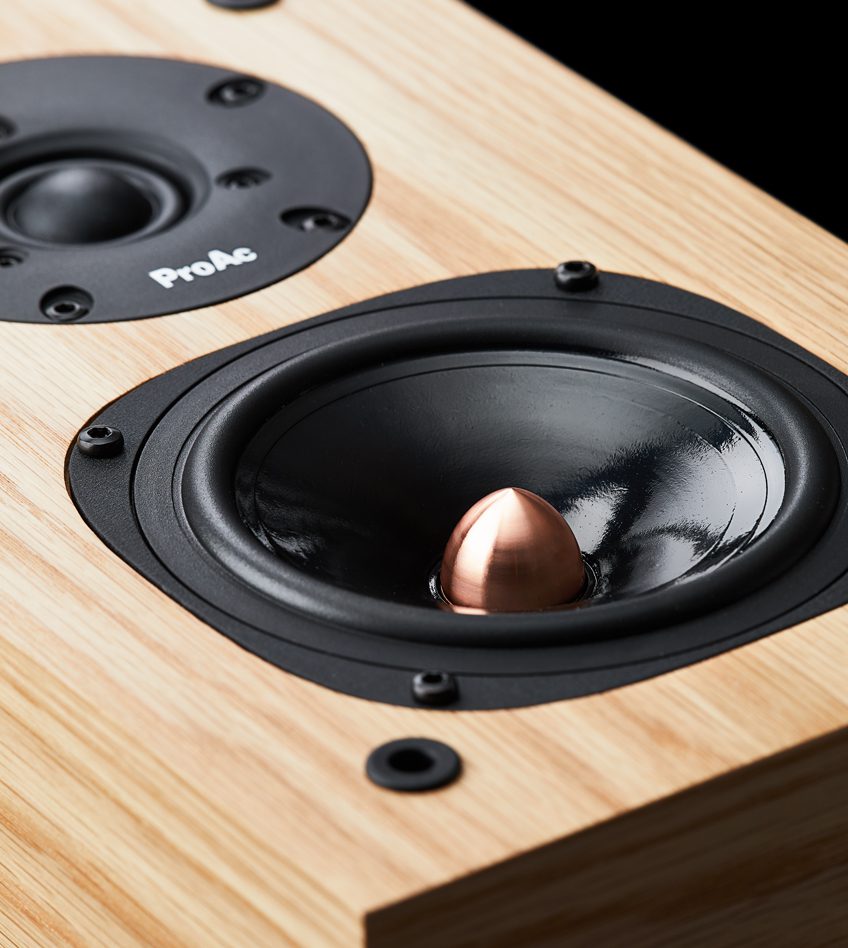
While it’s more than 35 years later and the Tablette 10 Signature has little in common with the ‘Tabs’ and ‘Super Tabs’ of the era, some of the core properties of the loudspeaker remain; a small two-way stand-mount loudspeaker with a soft 25mm silk-dome tweeter, and a 125mm bass driver.

Boxing clever

There is a significant change with the Tablette 10 and Tablette 10 Signature; however, it’s a sealed box rather than the rear-ported designs that have carried the Tablette name since 1979. That changes a lot. It means the loudspeaker doesn’t require the same degree of rear breathing space and could conceivably be used close to or up against a wall. It also emphasises getting the bass driver precisely right as there is no more relying on some port reinforcement to bolster up that all‑important 80Hz region.

ProAc Tablette 10 Signature

The Tablette 10 Signature has the same 25mm soft dome tweeter as the regular Tablette 10 but another specially developed (and slightly purple-hued) 127mm Pagina Mika driver with an improved magnet system and a copper phase plug, unique to the Signature edition. This necessitated a complete redesign of the crossover network compared to the standard Tablette 10; itself a radical rethink of crossover design compared to previous Tablettes. At the back are two pairs of silver speaker connectors for bi-amplifying or bi-wiring.

Almost a eulogy

We missed out on both loudspeakers going into the lockdowns, and in speaking to Stewart for what would (sadly) be the last time at the Bristol Sound & Vision Show, I was keen to take these on personally. Little did I realise then that this review would be almost a eulogy.

Back in the mid-1980s, when I first heard a pair of Stewart’s little wonders, the shortlist was down to the Super Tabs, a pair of LS3/5a or Linn’s Kan loudspeakers. I preferred the space and effortlessness of the Tablette loudspeakers but ultimately chose Kans for their speed, precision, and ability to play against a wall. Today, that decision would have gone in the other direction because the Tablette 10 Signature has the speed to go with the spatial properties. It still sounds as room-filling as ever, but now it sounds fast and just as much fun as before. And with no rear port, a rear wall can get ever closer. No, this isn’t designed as a pure boundary loudspeaker, but with so little rear radiation, it can be used in free space or very close to a wall without complaint.

Some loudspeakers are crying out for better equipment, and some are the first rung on the ladder. Although the ProAc Tablette 10 Signature can be both, it’s also perfectly happy in its groove. Partner this with something just as evergreen in amplifier terms (like an A21SE from Sugden) and a couple of good sources, and you have a system that you’ll never feel the need to change or upgrade.

From every pore

ProAc claims the longest part of the Tablette 10 to 10 Signature development cycle went into the crossover. If so, that seems perfectly likely as the sophistication of the design drips from every pore of this loudspeaker (if loudspeakers had pores, of course). But let’s not run before we can walk. The basic Tablette 10 Signature is a low-sensitivity, low-power handling small sealed box loudspeaker with limited bass output… and when you listen to them, you won’t care about any of those things!

Some loudspeakers have an almost intangible alluring nature that transcends what they can do on paper, and the Tablette 10 Signature is just that loudspeaker. It doesn’t cheat or break the laws of physics to do what it does so well but instead has one of those intensely refined and effortless sounds that just makes you play more and more music.

While I would strongly argue that the overall balance of the Tablette 10 Signature is inherently ‘neutral’ (if, understandably, light in the bass), it’s perhaps more neutral to the intent of the musicians, engineers and composers than to a dreary, yet correct, set of audio benchmarks.

I had difficulty listening to the Tablette 10 Signature by bringing myself back to listening critically. Every time I listened to a track on a test-disc album, I added the rest of the album… often followed by something I was drawn to as a result of those tracks. Eventually, I’d turn to the next test track… and repeat the distraction process. Either I suddenly developed ADHD, or these loudspeakers inspire you to listen to your music wide and deep; I’m going with the… oh look, a squirrel!


No good for/bad for

I don’t like reviews with a ‘good for/bad for’ ethos, but the limitation on bass and ultimate sound pressure levels suggests hardcore metal heads might go elsewhere for their jollies. Which is a shame; Lateralus by Tool [Volcano] sounds marvellous through the Tablette 10 Signatures, filling the room with extremely well-recorded graunch.

That room-filling sound is part of the Tablette 10 Signature’s mini-miracle performance. These loudspeakers remarkably fill a room with sound, especially if a little away from the wall. In a medium to large room, these loudspeakers act almost as point sources, sonically disappearing from the image. And the interaction between woofer and tweeter is so elegant, so inherently ‘right’ that it produces a sound that just sings at you.

ProAc Tablette 10 Signature

When you play female vocals through the Tablette 10 Signature, these twin elements (excellent driver integration, almost point source imagery) combine in stunning form. Joyce DiDonato’s powerful mezzo-soprano is perfectly rooted in three-dimensional space and extremely easy to understand.

The giant-killing just keeps going on when you try to place the ProAc Tablette 10 Signature in ultimate terms. If you put them up against some really big hitters, you quickly hear the limitations in terms of sheer bass delivery, loudness levels, headroom and even cabinet ‘noise’ relative to some of the best. That list (naturally) includes many of ProAc’s more high-end designs. But the point to all this is you never feel short-changed by the Tablette 10 Signature, and unless you have a pressing desire to spend big or play lots of intestine-redirecting bass, the Tablette 10 Signature just keeps putting a smile on your face.

Trading blows

The Uni-Q sporting elephant in the room is the KEF LS50 Meta, the knock-it-out-the-park small speaker of the moment. That the two trade blows are a first for the KEF LS50 Meta as it tends to flatten the opposition. The ProAc scores highly on its effortless and peak-free highs, while the KEF is more driven and forward in the bass. You can’t get ‘both’ in a similarly sized box, unfortunately,

There is something truly incredible about an unassuming two-way loudspeaker that sings its little heart out. Sure, bigger and better speakers – even bigger and better ProAcs – are available, but that’s not the point of the Tablette 10 Signature. If you are happy in your own skin and don’t need to keep up with the Joneses or ‘push the limits of the Zeitgeist’, these truly charming, room-filling loudspeakers are all you need. Stewart’s daughter Zoe and her husband John will make sure ProAc lives on, but this is Stewart Tyler’s legacy. And what a musical legacy it is. Thanks, Stewart!

Technical specifications

  • Type Two-way stand-mount sealed box loudspeaker
  • Drivers ProAc 25mm (1”) ProAc silk dome air cooled and inner damping tweeter; ProAc 127mm (5”) Pagina Mica cone with acoustic coating and copper excel magnet system with solid copper phase plug
  • Frequency Response 55Hz–30kHz
  • Nominal Impedance 10 ohms
  • Sensitivity 86dB linear for 1 watt at 1 metre
  • Recommended Amplifiers 5–50W
  • Finishes Black Ash, Mahogany, Cherry, Silk White, Natural Oak and Walnut (standard), Rosewood, Ebony (Premium Finishes to order at extra cost)
  • Dimensions (W×H×D) 19.1 × 30.5 × 15.9cm
  • Weight 5.5kg Per Loudspeaker
  • Price £1,585 per pair (stands extra)

Manufacturer


ProAc

Homepage – https://www.proac-loudspeakers.com

Product – https://www.proac-loudspeakers.com/products/tablette-10-signature/

UK dealers – https://www.proac-loudspeakers.com/find-a-supplier/

Tel: +44(0)1280 700147

Back to Reviews

Introducing the Enleum HPA-23RM Reference Headphone Amplifier

*From the Enleum news release

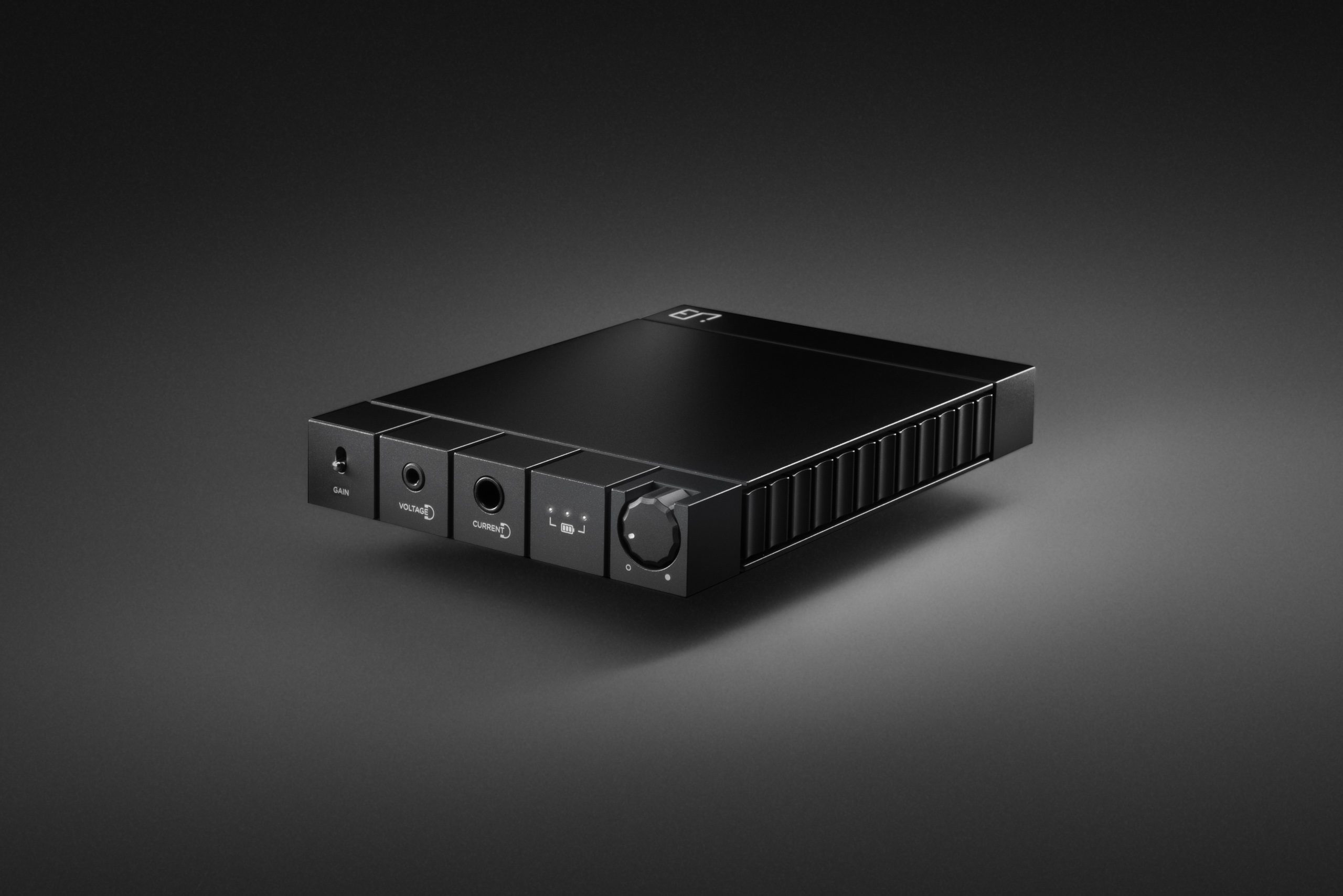
Following on the global success of our Enleum AMP-23R compact high-end amplifier, we now launch one of our highly anticipated products, a dedicated headphone amplifier, HPA-23RM.

HPA-23rm

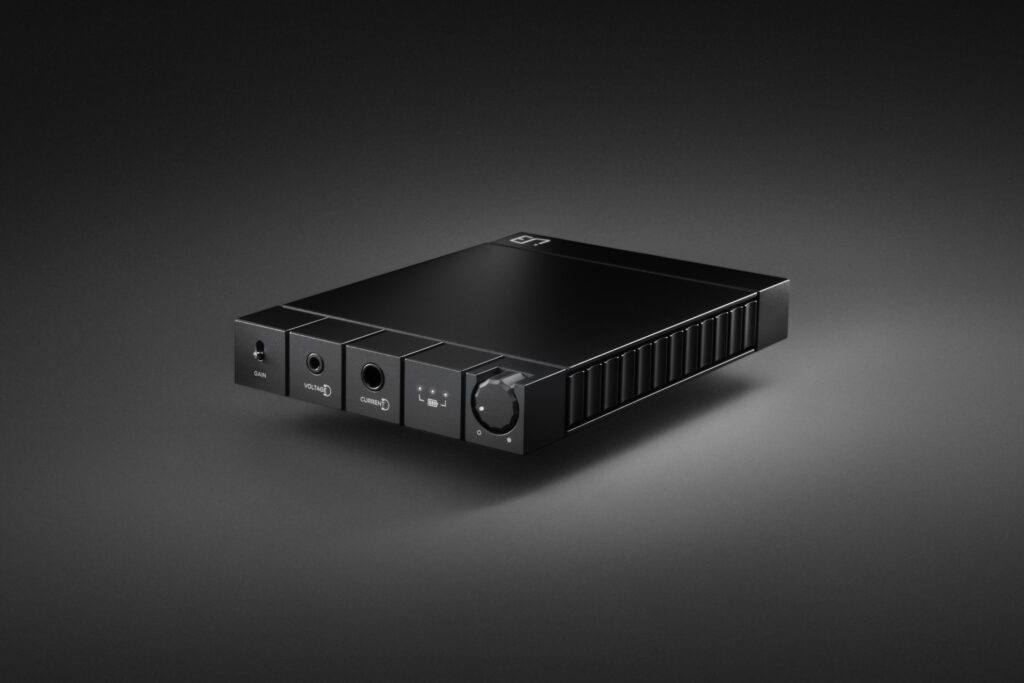
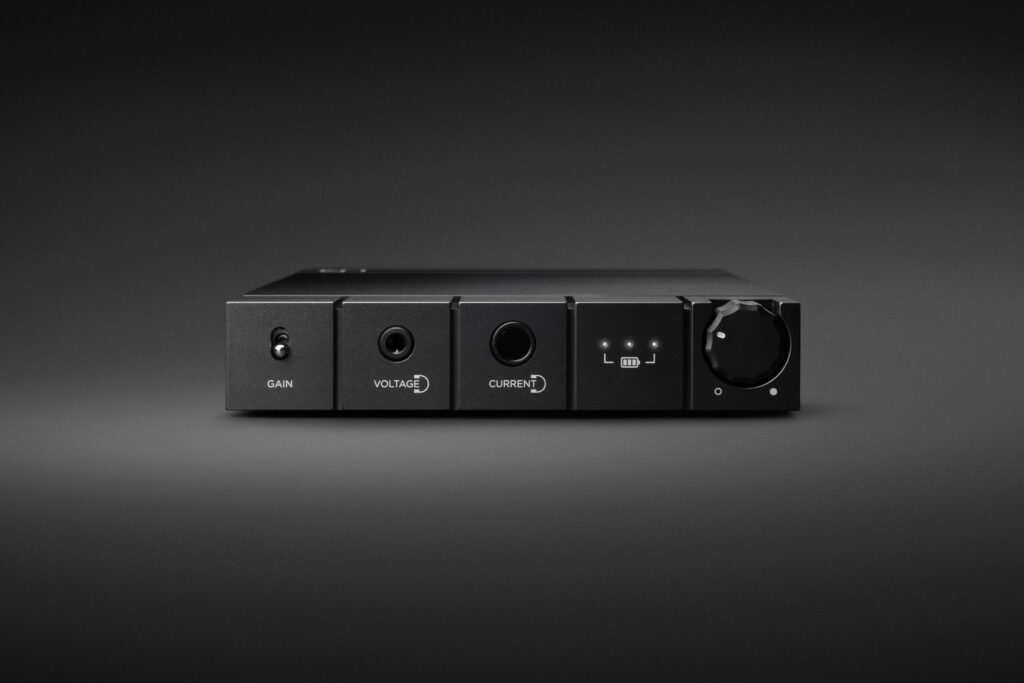
The HPA-23RM is based on the AMP-23R’s core circuits and our legacy product Bakoon HPA-21, created to be versatile as it is for both high-end desktop usage and mobile usage – hence using “R” for reference and “M” for mobile in the product name. It contains two amplifiers in one package as it employs both voltage and current outputs. Thanks to our circuit advancements in recent years, the HPA-23RM contains the latest reference circuits and designs in a smaller form factor, yet still powerful enough to drive demanding headphones. Furthermore, with the technological advancements in the battery power supply design and efficient thermal design, one can now listen to Enleum’s reference circuits in a much smaller package.

HPA-23RM

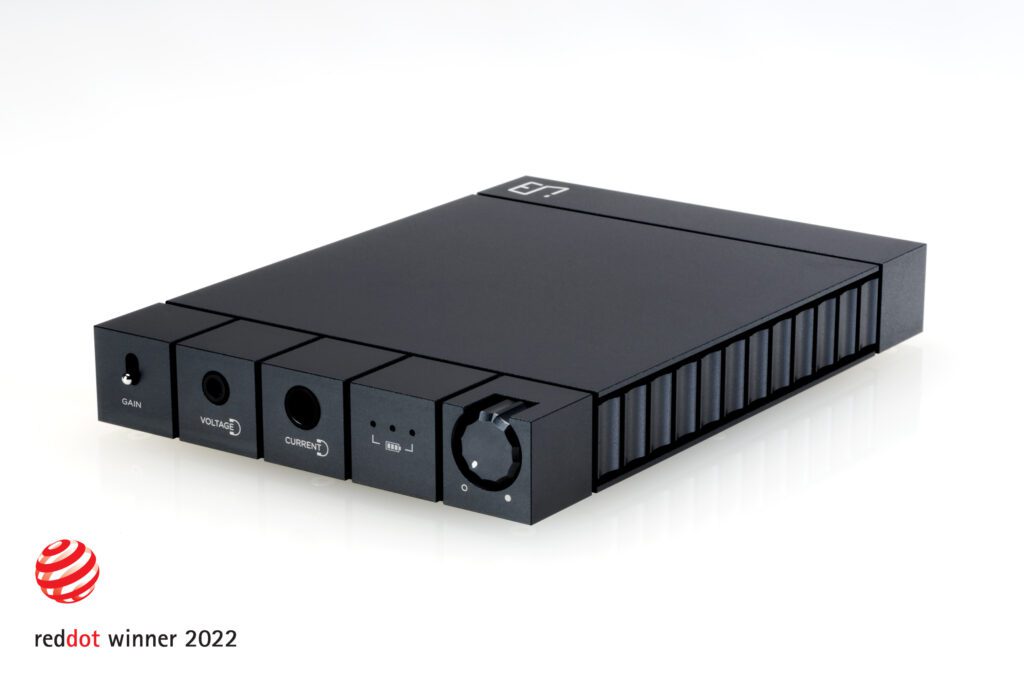
The HPA-23RM of course continues the new Enleum family design with its organic waveform heatsinks, the faceted volume dial and minimalistic, clean design – and we are proud to share that it has actually already been awarded in the Red Dot Design Award this year.

HPA-23RM

Due to current circumstances in the industry, the production quantity will be limited to 250 units in 2022. Enleum and its dealers will take pre-orders with a deposit now, and the first batch of 250 units is expected to start shipping in November, 2022. The MSRP is $3,000 in the United States and is subject to local adjustments and taxes in global markets.

For more information on the HPA-23RM, please visit our new website at https://enleum.com/hpa-23rm/ and our YouTube video clip on the HPA-23RM:

https://youtu.be/WyWVm37P7p4

RENAISSANCE REVEALS ITS PROGRAMME OF DEMONSTRATIONS FOR THE UK HI-FI SHOW LIVE

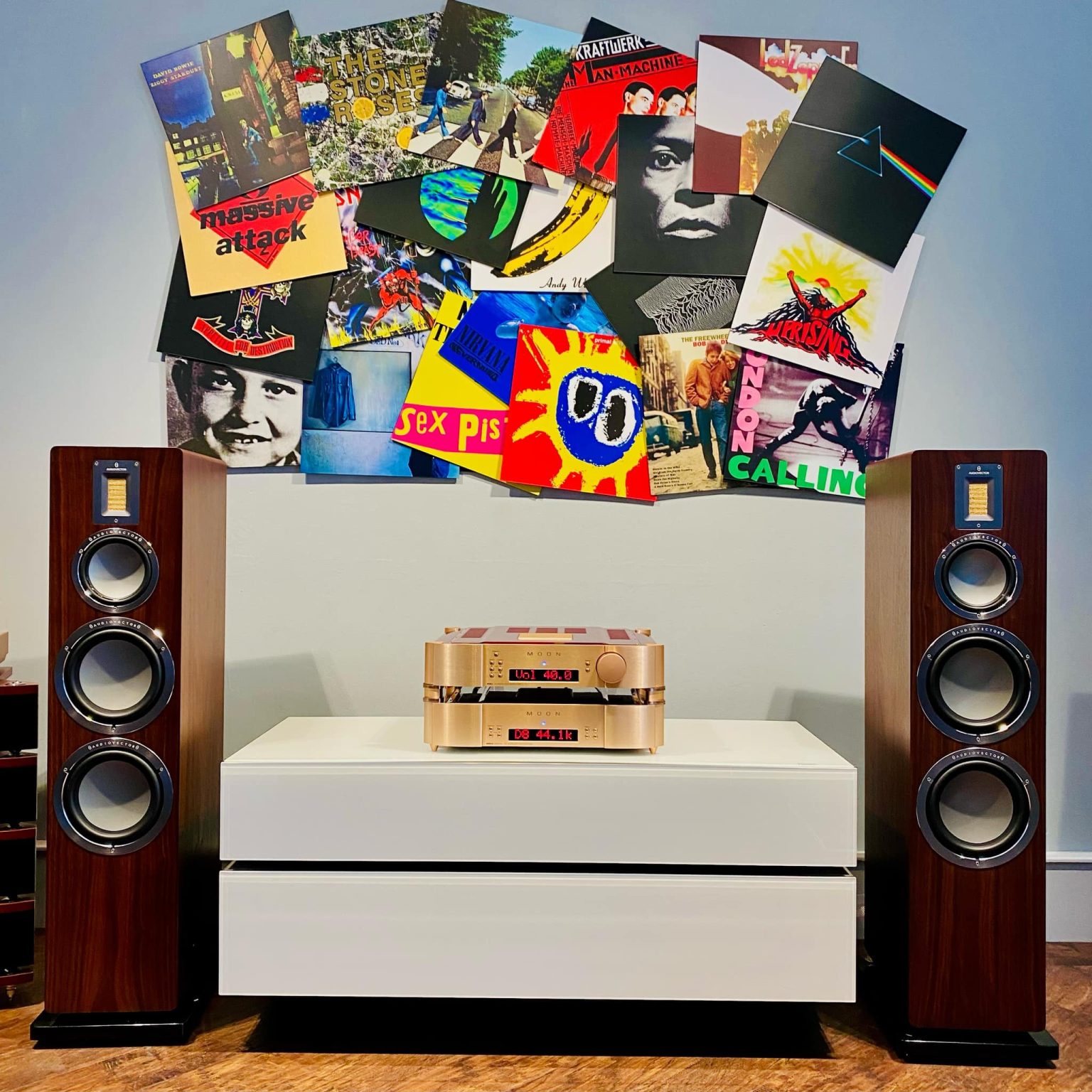
Renaissance has put together a comprehensive programme of demonstrations that is set to entertain and inform visitors to the UK Hi-Fi Show Live. In its suite of rooms, Renaissance will have company experts from Audiovector (Martin Dunhoff, Sales Director), MOON (Etienne Gautier, Export Sales Manager) and Nordost (Alex Brady, International Sales and Product Trainer) on hand to explain how their products are designed to guarantee an unforgettable listening experience.

Room 308-310: The Ultimate Reference System.

John Carroll (MD of Renaissance), Martin, Alex and Etienne will talk through all of the components in this incredible system: MOON’s 780D v2 reference streaming DAC, 740P preamplifier, 810LP phono preamplifier, 820S power supply and two 860A v2 dual-mono power amplifiers,  Audiovector’s R 8 Arreté floorstanding loudspeakers, VPI’s new Avenger Direct turntable, and Nordost’s QNET network switch and Valhalla V2 cabling loom. They will explain the technology used in each of these products and discuss the manufacturers’ philosophy and values.

Room 313: In this room, each manufacturer will take it in turn to present its products.

Audiovector: The Essence of Audiovector. Martin will look at the company heritage, explain its design and development process and explore the Danish brand’s range of award-winning loudspeakers. There will also be an introduction to both the QR and R series.

MOON: The Sound of a new Era. Etienne will present a brief history of MOON and then explore the design philosophy behind the company’s new Voice 22 loudspeakers. This will be followed by a demonstration of the speakers.

Nordost: QNET, An Uncompromised Network Switch. Alex will talk through Nordost’s company history and look at the design objectives of the QNET. He will then present the QNET with and without the Qsource power supply and look at the features and benefits of both products.

Renaissance’s programme of presentations will be on repeat throughout the duration of the show. To discover their times, visit:

www.renaissanceaudio.co.uk/uk-hi-fi-show-live-2022-at-ascot-racecourse-see-you-there/

The UK Hi-fi Live Show takes place at the Ascot Racecourse Grandstand on the 10th and 11th September.

Renaissance will be in rooms 308 – 310 and 313. Opening times: 9.30 a.m. – 5.30 p.m.

hifishowlive.com/

www.renaissanceaudio.co.uk/

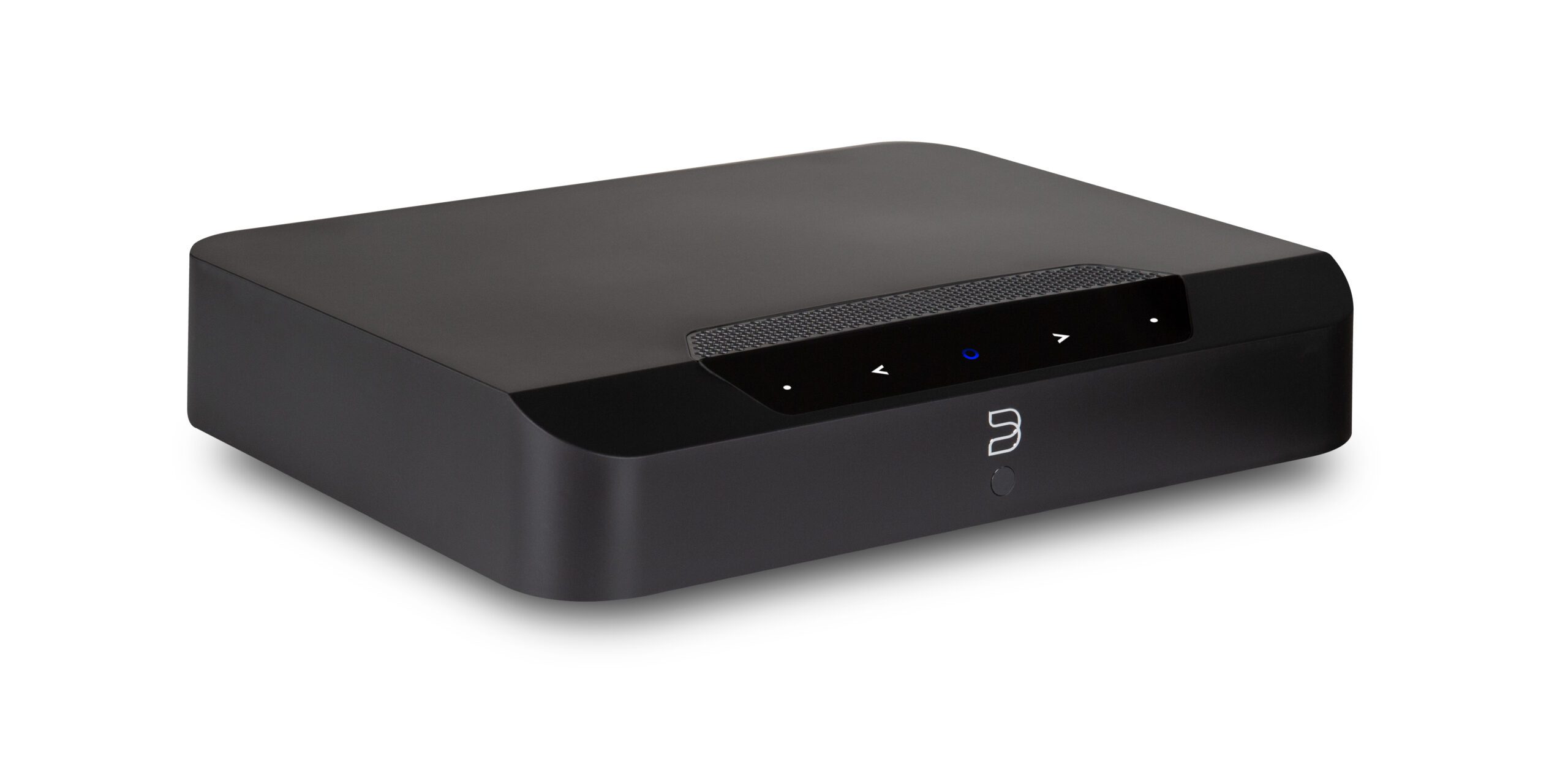
Bluesound Announces the POWERNODE EDGE

*From the Bluesound news release

Turn any space into a HiFi haven with this entry point, ‘just-add-speakers’ streaming amplifier.

London, United Kingdom, August 31, 2022 – Bluesound, the original award-winning, hi-res wireless multi-room line of audio players, announces the POWERNODE EDGE. This single-zone, wireless music streaming amplifier is the perfect entry point into “just add speakers” HiFi for the modern age, combining streaming sources, control, and amplification all in one sleek, yet affordable, device. Pre-orders for the POWERNODE EDGE are now being taken on Bluesound.com and participating authorised retailers with shipping starting in early October. Suggested pricing for each unit is USD $649 / EUR €699 / GBP £599 / CAD $849.

JUST ADD SPEAKERS

Audiophile-grade amplification packed into the POWERNODE EDGE makes it easy to connect a pair of passive speakers to create or extend a HiFi system. Other options include adding the PULSE SUB+ wireless subwoofer for a powerful but compact 2.1 stereo system. Alternatively, the POWERNODE EDGE can power the rear channels of a Bluesound wireless surround sound setup, for the ultimate modern home theater experience.   

PUNCHY HI-RES

A conservatively-rated 2 x 40 watts DirectDigital™ amplifier in the POWERNODE EDGE efficiently handles hi-res audio tracks up to 24-bit/192kHz and supports MQA playback, which allows music lovers to listen to the actual studio masters of favourite albums, as they were intended to be heard. Revel in the clarity of playback of everything from densely-layered heavy metal tracks to whisper-quiet dialog in movies and TV shows.

SLEEK AND VERSATILE

The POWERNODE EDGE is designed with a compact form factor to suit any décor. An included multi-orientation wall bracket allows it to be hidden in closets or behind sofas. Easy to spec and simple to stack, smart home installers will appreciate its 1U rack height and half-rack width, along with an easy-access touch control panel for everyday playback functions and configuration.

ACCESS IT ALL

Over 20 natively integrated music services and thousands of internet radio stations are accessible directly on the POWERNODE EDGE, and controlled from the BluOS™ Controller app. To play from a personal music library, connection via Wi-Fi, Gigabit Ethernet or playback from an external USB drive is available. Built-in AirPlay 2 makes for easy integration into the Apple ecosystem, while users of other devices can take advantage of the high quality aptX™ HD Bluetooth connection to stream audio directly to the POWERNODE EDGE. More traditional wired sources, such as a TV or preamp’d turntable, can be connected using the HDMI eARC input or the combo analog/digital input.

MULTI-ROOM CONTROL

Add multiple Bluesound players around the home to create a high-performance, multi-room system using BluOS, the world’s most versatile whole-home, hi-res audio platform. Send music from player to player or sync up multiple players to one stream for parties and gatherings. Easy control is always readily available via the BluOS Controller app for iOS, Android, Mac, or PC, or using the elegant glass touch panel for quick-access controls like Play, Pause, and Volume Up/Down. The POWERNODE EDGE can integrate with the most popular smart home controllers like Crestron, Control4, URC, RTI, ELAN, and others, while hands-free control is possible with voice assistants like Apple’s Siri, Amazon Alexa, and Google Assistant.

Key Highlights of the POWERNODE EDGE:

– DirectDigital™ Amplifier Platform– 40 Watts Per Channel Into 8 Ohms– Quad-Core 1.8GHz ARM® Cortex™ A53 Processor– HDMI eARC, Optical & Analog Audio Inputs– BluOS™ Wireless Multi-Room Music Capability– App Control with Adjustable Audio Settings– MQA Music And Hi-Res Audio Streaming– Airplay 2 Integration– Works With Amazon Alexa, Google Assistant and Apple Siri– Dual-Band Wi-Fi + Gigabit Ethernet– Two-Way aptX™ HD Bluetooth– Wireless Headphone Output– Wired & Wireless Subwoofer Output– IR Remote Learning Capability– Front Panel Touch Controls– Compact 1U Form Factor– Easy Four-Way Mounting System– Black Or White Finish

Back to homepage

Nordost Odin 2 Tonearm Cable +

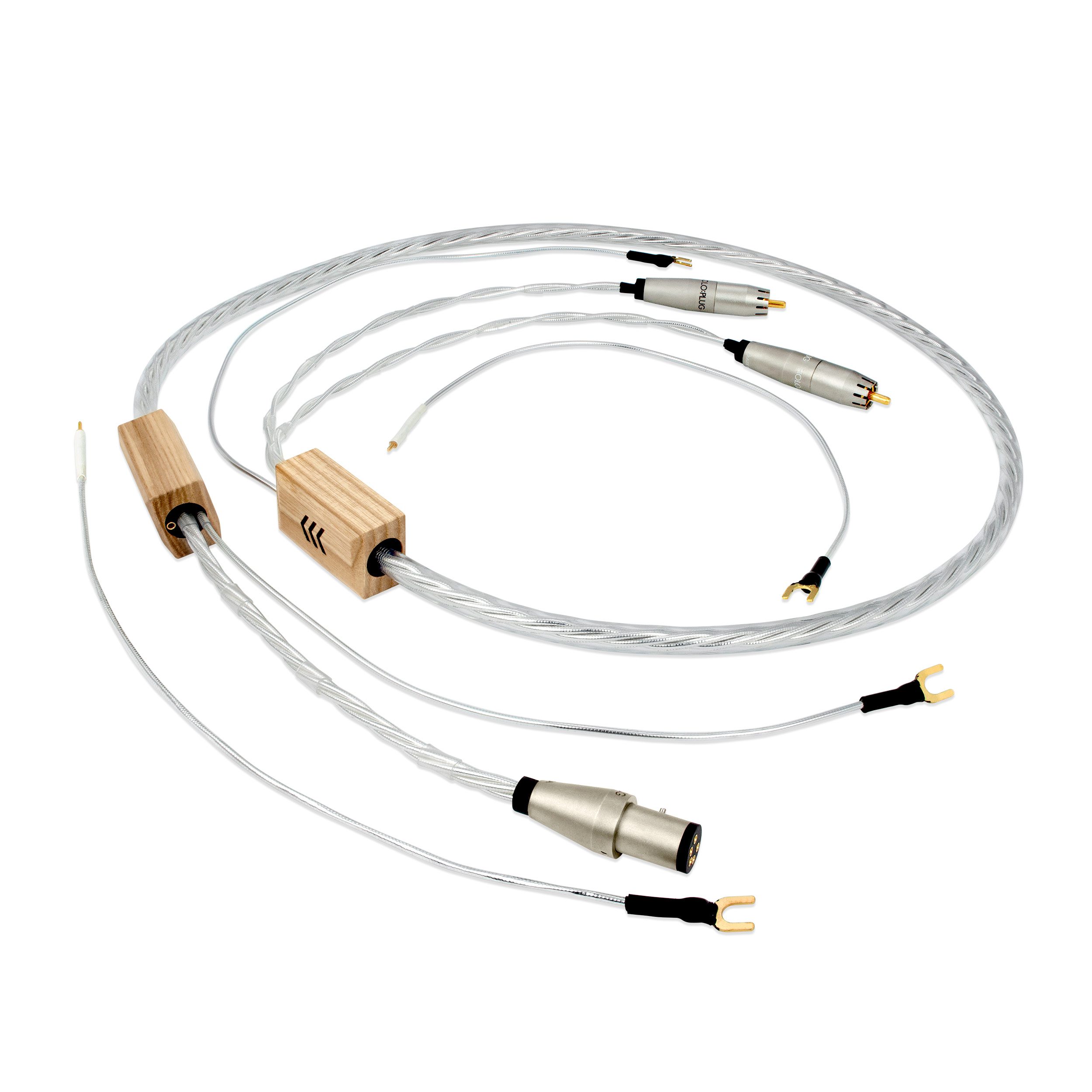
The tonearm cable is the most critical and sensitive cable in any system. Obviously, that only relates to vinyl-based systems, but as a turntable is basically an extremely sensitive backwards seismograph, the signal it generates is both exceptionally delicate and relatively small. If any cable can make a difference to performance, it’s the phono cable, and Nordost’s Odin 2 Tonearm Cable + makes one hell of a difference! The new grounding systems that went into the Tonearm Cable + line meant Odin 2’s existing phono cable needed a boost.

It took more than a year to finally arrive, but Nordost’s Odin 2 Tonearm Cable + consists of four, silver-plated, solid core 99.999999% oxygen-free copper conductors, wrapped in Nordost’s own Dual Mono-Filament suspension. This last element is claimed to dramatically increase signal speed and reduces insulation contact by 85%. The conductors are then individually shielded using Nordost’s unique Total Signal Control (TSC) technology, which is said to provide 100% coverage as well as protection from external pollution (such as radio frequency and electromagnetic interference) and crosstalk.

Noise is an issue

Irrespective of cable construction, noise is always going to be a significant issue with tonearm cables because of grounding issues. While the lone earthing tag is a good basic solution, complete grounding is beyond such prosaic implementations, especially as providing a complete grounding solution relies on different grounding requirements depending on arm, cartridge, internal wiring of the arm and the phono stage itself. While this doesn’t require hundreds of different grounding options, the right grounding is required for high-end vinyl.

Nordost’s Odin 2 Tonearm Cable + takes on grounding in two ways. First, the cable sports a fully-isolated bond ground through the length of the cable, which connects the chassis of turntable to phono stage in the conventional manner. Going beyond this, the cable is supplied with two detachable, silver-plated ground whips that connect to the shielding of the cable itself, to further reduce noise during signal transfer. To determine the correct use of these silver-plated, Dual Mono-Filament wires, first, play some music without any of the Detachable Ground Wires attached and see how it sounds. Then try inserting one of the Detachable Ground Wires to the cable on the end closest to the turntable. Connect the spade of the Detachable Ground Wire to the ground post on the turntable.

Next, if there is a ground option on the phono stage end, disconnect the Detachable Ground Wire from the turntable end of the tonearm cable, and insert it into the phono stage end instead. Connect the spade of the Detachable Ground Wire to the phono stage ground and listen again. Finally, if applicable, insert both Detachable Ground Wires to both ends of the cable, connect them to the ground on the turntable and the phono stage, and listen one last time. Then, configure whichever set-up had the least noise in that system. This is not simply ‘Your Mileage May Vary’ but more that no two vinyl replay systems are alike and this degree of fine-tuning will bring the best out of the widest range of turntable systems. Regardless, keep this experimentation in mind, because any subsequent changes to your replay system (such as swapping out the cartridge) might be enough to alter the system’s ground-wire configuration.

The heebie-jeebies

Frankly, all that configuration potentially gives reviewers the heebie-jeebies. It gives the potential for you to get the sound of a thing dead wrong. In fact, the configuration process doesn’t undermine the basic Odin 2 sound, as it applies universally. But when it snaps into focus, you’ll hear it. The magic happens throughout, but the magic happens with chocolate sprinkles when you fall upon the right configuration. It’s not ‘no, no, yes, no’ and more like re-enacting that scene from When Harry Met Sally.

To use the best of British understatement, Odin 2 Tonearm Cable + ‘is a bit good.’ Configured to fit the demands of your vinyl replay chain it goes from being ‘quiet, detailed, dynamic, with good bass’ to ‘I need to force myself to pick up the notepad, but LPs are calling.’ Your records are not made anew; the surface noise and bumps and pops generated along the way are still there, but they rise and fall fast enough to step outside the music more than ever before. Instead of annoyances, they become little sonic tattoos of the life that album has led.

It’s the silence that first catches you out with Odin 2 Tonearm Cable +; the gentle rush of noise from a good phono stage and the sound of grooves are far less impactful than you know, and the cable helps show you that by presenting a surprising depth and stillness to the sound. Of course, when the faders are pushed on an analogue recording, tape hiss rises up, but that hiss is not joined by the rest of the signal chain, and it’s an ear-opening event.

However, as quickly as that absence of noise impresses, it’s added to by the sheer scale and detail of the performances played on LP. By rights, this veteran format should have long since faded from view, but Odin 2 Tonearm Cable + reminds us why that simply never happens, because despite its on-paper inferiority to digital, when listening to an album now, it has a sense of dynamic shading and time-sensitivity that makes all digital seem a lifeless affair. There is verve and lust for musical life in those grooves, and Odin 2 Tonearm Cable + will dig it out!

Unfolding bass

I don’t understand bass on Odin 2 Tonearm Cable +. Not because the bass is somehow wrong or out of step, just because there is so much to unfold and extract that simply doesn’t make it through the replay system otherwise. This is like your turntable just took a step into a larger, deeper, yet tauter and more rhythmic world. It’s uncanny.

I could go on for page after page, citing how Nordost Odin 2 Tonearm Cable + just extracts more information that’s normally lost in sacrifice to the Noise Gods of Vinyl. But it all amounts to the same thing… this is the best damn cable to hook a turntable to a phono stage. Ever, Yes, that price tag is one that requires taking a few practise runs before tackling, but like all of Nordost Odin 2 cable line, once you hear what it does, the numbers become meaningless. All that matters is the sound.

Price and Contact Details

  • Price: from £11,560 (depending on length and termination)

Manufacturer:

Nordost

URL: nordost.com

UK Distributor:

Renaissance Audio

URL: renaissanceaudio.co.uk

Tel: +44(0)131 555 3922

Read more Nordost reviews here

Back to Reviews