Up to 37% in savings when you subscribe to hi-fi+
hifi-logo-footer

Begin typing your search above and press return to search. Press Esc to cancel.

AURALiC The G2.1 Series — Breathing New Life into Your Music

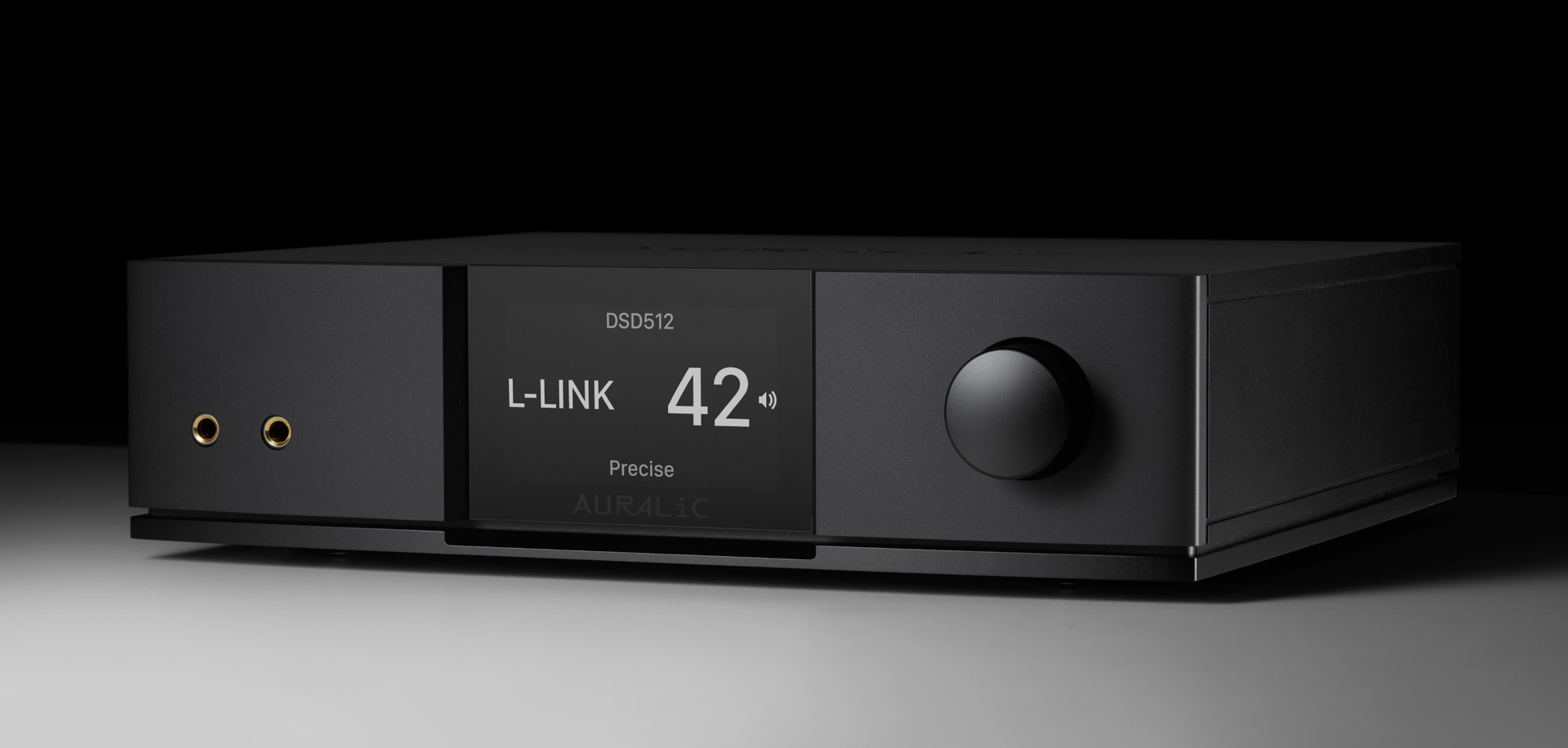
AURALiC introduces a category-wide update to its award-winning G2 and GX Product Range: Series G2.1/GX.1. The G2 Series now stands as one of AURALiC’s most successful projects. The effects of this effort have served as an important lesson to the team: that digitally oriented audiophiles prize above all else: sonic performance, industrial design, and diversity of features in their purchases. While the success of the G2 products proved a welcome chapter, the AURALiC team, in its innovative spirit, feels that it’s time to further the series in terms of its capabilities, both in the realm of hardware and software.

Enter Series G2.1. AURALiC is proud to introduce the next evolution in the development of its products. The AURALiC engineering team has developed G2’s next evolutionary step, embodied by the all-new:

ARIES G2.1 Streaming Transport,

VEGA G2.1 Streaming DAC,

LEO GX.1 Master Reference Clock,

SIRIUS G2.1 Upsampling Processor.


Below please find details on improvements made regarding the new G2.1/GX.1 series…

Unity Chassis II

The G2.1 Series casework now features a double enclosure, or “chassis-within-a-chassis,” where the outer casework is manufactured from high-grade aluminum and an additional internal enclosure is made from copper. These design revisions enhance EMI shielding, providing an audible improvement to performance. A new, sculpted metal base provides a high-mass, heavyweight foundation for the G2.1/GX.1 series, bonded to the enhanced four-foot assembly. This substantial base adds overall mass to the product and further builds on AURALiC’s modest elegance and improves the sound of the product overall.


Enhanced Suspension System
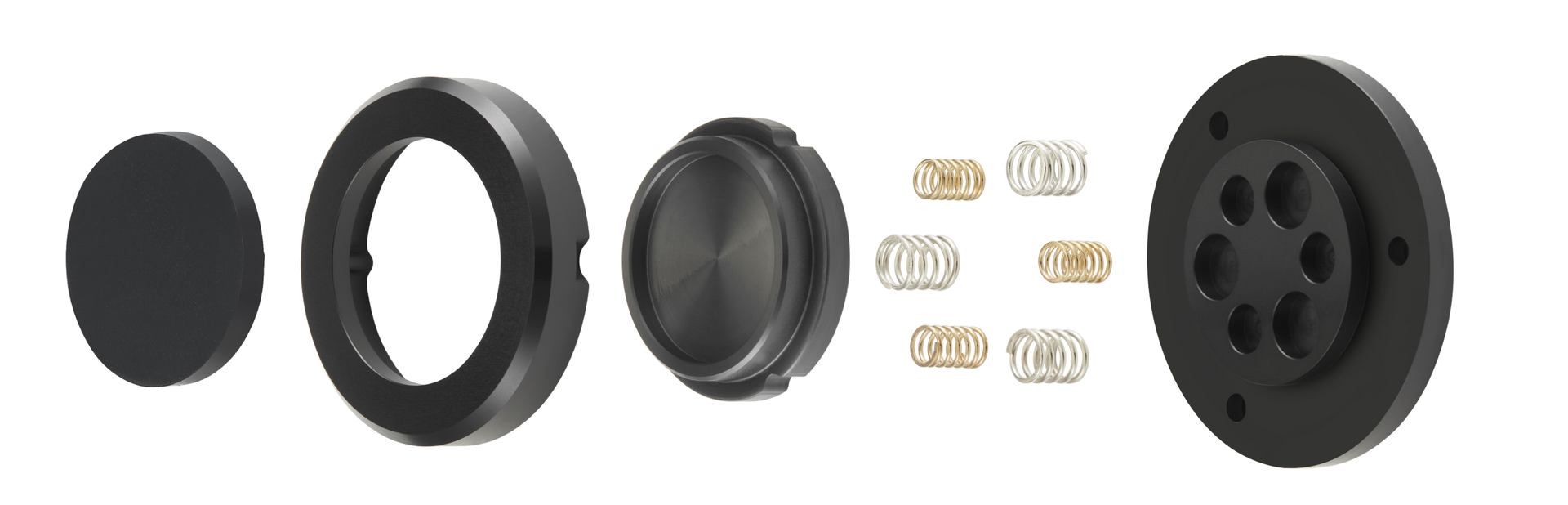
The balanced weight distribution design found internally in the original G2/GX layout remains unchanged, but a newly designed suspension spike system further isolates the product from external mechanical vibration. Potentially harmful vibrations are absorbed within the six-coiled-spring, acoustically calibrated core of each foot, with each spring tuned to a different tension point, resulting in greater sound clarity and a more open sound field through vibration damping at separate frequencies, yet again providing for enhanced sonic performance. 


Circuit Optimisations
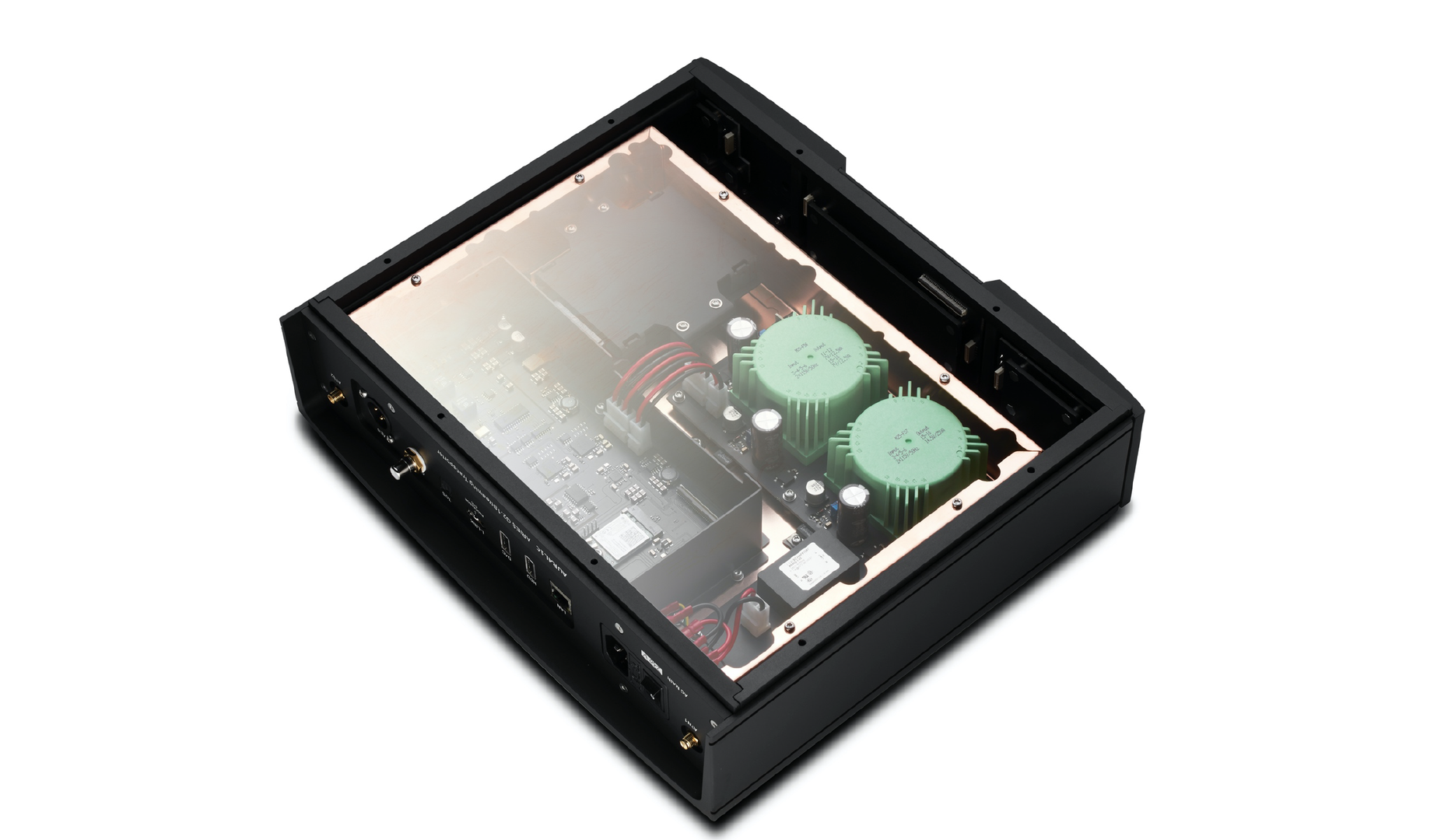
While external changes to the series are certainly welcome, internal circuitry modification couldn’t be ignored. For the ARIES G2.1, the USB output has been transformed into a more universal category of application, allowing for a broad level of compatibility across most manufacturers’ USB inputs. The HDD port, for local hard drive connectivity, has been given a power boost to handle a broad range of USB drives requiring higher power delivery. These optimizations have extended the potential feature sets of the products.

CD Playback and ripping – the latest from Lightning streaming We couldn’t ignore the importance of additional features offered by the tried and tested Lightning OS, now in its seventh iteration. As requested by our customers, Lighting OS 7.0 will provide CD playback with optional ripping capabilities. Customers can use a CD drive connected via USB to the AURALiC product. Lightning’s CD function will read each disk sector several times to ensure ultimate data accuracy, then save to memory cache prior to playback. This makes for a completely jitter-free CD playback experience, besting other standalone CD players at far higher prices. As for ripping, while you may already have the lion’s share of your CD collection stored on a drive or NAS of some kind, the ability to comfortably add CD albums to your library on occasion will add a welcome utility to your AURALiC setup. This feature will work with any of our ARIES (Not ARIES Mini), ALTAIR and POLARIS variants. Simply connect a CD drive via USB to one of the capable AURALiC products and begin to play back or rip your CDs.

Lightning Link Continuity One aspect of the overall G2.1/X.1 design that remains unchanged, and for good reason, is AURALiC’s Lightning Link protocol, making connectivity between G2/GX devices and G2.1/GX.1 an uninterrupted feature, so that owners of both G2 products and the newer generation of G2.1 products can be connected together for seamless functionality in one system.

G2 By Request AURALiC understands some customers may wish to add to their G2 series of components and maintain the aesthetics of the original series. To this end, AURALiC will, by special order, construct and ship original G2 products for customers who would like to complete the look of their previously existing G2 products. Customers should expect a longer lead time for custom G2 product orders. AURALiC will place a time limit on this courtesy offer, but it should provide customers with enough time and notice to take advantage of the opportunity.

Available Now G2.1 and GX.1 products are all available now, have begun shipping globally, and will reach customers very soon.

Suggested Retail Pricing (U.S. and Canada)

ARIES G2.1 ……………………..….…………………………………………… $4,799.00

VEGA G2.1 ……………………………………………………………………… $6,899.00

LEO GX.1 ……………………………………………………………………….. $8,999.00

SIRIUS G2.1 …………………………………………………………………….. $6,899.00

Suggested Retail Pricing (EU, with 20% VAT)

ARIES G2.1 ……………………..….…………………………………………… €4,699.00

VEGA G2.1 ……………………………………………………………………… €6,699.00

LEO GX.1 ……………………………………………………………………….. €8,999.00

SIRIUS G2.1 …………………………………………………………………….. €6,699.00

Suggested Retail Pricing (UK, with 20% VAT)

ARIES G2.1 ……………………..….…………………………………………… £4,199.00

VEGA G2.1 ……………………………………………………………………… £5,999.00

LEO GX.1 ……………………………………………………………………….. £7,999.00

SIRIUS G2.1 …………………………………………………………………….. £5,999.00 

MQA POWERS BEST LISTENING EXPERIENCE EVERYWHERE WITH EXPANDING GLOBAL PARTNERSHIP NETWORK

From the MQA press release

London / (Virtual) Munich, 29 May 2020 – MQA, the pioneering audio technology company, continues to grow its network of international partners and expand its reach.  While there may be no Munich High End Show this year, there’s an abundance of partnership news to share.

“Even during these extremely challenging times, we’ve seen strong business potential and have proceeded with campaign opportunities to support our partners,” stated MQA CEO Mike Jbara.  “Development work continues uninterrupted, and we’ve been able to showcase MQA’s unique capabilities to deliver the best sound for live audio broadcasts, as well as within video, proving we’re ready to help existing and new partners navigate whatever the future brings.  The one constant remains our quest to deliver the best quality audio, whatever the playback environment.”

Partnership News

Luxman, recently joined the MQA family with the release of its D-03X digital player which has MQA-CD playback capability.  Another new hi-fi partner, Monitor Audio, has now officially launched its MQA-enabled IMS-4* music streaming solution – the product was demonstrated for the first time at ISE 2020.  HiFi Rose released its RS201 network streamer late last year and will soon be adding the RS150 to its range of MQA-capable products.  Other new joiners include Topping and its D90 (with MQA) DAC, and Magnet, which is gearing up for international distribution of its recently released Elite S DAC

Existing MQA partners who have announced new products include the following:

(*subject to final test & certification)

MQA On The Go

A new partnership with FiiO adds to the availability of MQA-enabled portable products, with MQA capability integrated into its range of portable players released earlier this year: the new M11 Pro and M15 players, alongside the existing M11 model which can now be updated.  The dongle category, popular for boosting handset audio capability, has two new offerings: HELM Audio’s Bolt DAC/AMP can now be pre-ordered from for delivery in July; while Highscreen released its MQA-enabled TrueSound Pro rendering adapter in February.

New portable products from existing partners include: Astell&Kern’s A&norma SR25 player; iFi audio’s portable hip-dac; and a firmware update to upgrade the HiBy Music R6 and R6 Pro portable players, with the R8 coming soon.

In the world of in-car entertainment, JVC Kenwood continues to integrate MQA into more of its automotive accessories: during June and July, several Sat Nav products will be released to the Japanese market which support MQA-CD and MQA file playback.

MQA Transforms Sound Everywhere

Prior to lockdown, MQA teamed up with Bluesound and tastemakers Jazz re:freshed and British Underground, for the inaugural Master Sessions event at London’s British Grove Studios.  At the event, Mercury Prize nominees SEED Ensemble performed an exclusive live set, which was broadcast live in MQA audio to audiences at Bluesound dealerships across UK, Europe and South Africa.  The technology for live audio streaming was first demonstrated during SXSW in March 2018.

MQA then joined forces with British Music Embassy to provide a livestream for UK artists due to perform at the cancelled South By South West (SXSW) 2020 festival.  For the first time, thanks to MQA’s unique audio technology, the original sound from these live sessions is captured within HD video, to showcase the artists and their music in the best possible quality.

Commented Fred Bolza of New Soil, who manages Theon Cross, “Theon’s trip to SXSW was to be a key part of his plans for 2020, acting as the culmination of activity around his 2019 album Fyah and the start of the next chapter of his journey.  Despite the event’s cancellation we were resolved to find a way of bringing the music to people and, thanks to MQA, the British Music Embassy and Jazz re:freshed, Theon was able to perform, livestream and capture his SXSW set to a level of quality that was undoubtedly the next best thing to being there!

ELAC Concentro S 509

From the ELAC GmbH press release:

Kiel, May 2020: A feast for the eyes, a precision tool… and wholeheartedly dedicated to music: the ELAC Concentro S 509 is a distinctively styled loudspeaker with an impressive feature set. Although a cursory glance suggests a close resemblance to the smaller Concentro S 507, a direct comparison reveals the major difference.

Internal and external scale… 
The shape of the Concentro S 509 seamlessly blends the extravagant design of the large Concentros with the clean lines of the world-renowned Vela Series. The wraparound baffle forms the basis for superb acoustics but combines with the gently angled cabinet, the trapezoid basic shape and expressive bottom assembly with “high-heel” effect to create a powerful yet natural and elegant appearance. The impressive overall dimensions create a canvass for meticulously applied high-gloss lacquer and elegant real wood veneer finishes.

Your own ear is always the best judge… 
The acoustic centerpiece of the Concentro S 509 is the stepX-JET: a concentric chassis comprising the new JET 5c tweeter and a midrange driver with an aluminum membrane. A patented technology uses exchangeable DRCs (Directivity Control Rings) to tailor the directional characteristics in the mid-frequency range to conditions in the listening room. The different DCRs (three aluminum DCRs are included as standard) are used to optimize the relationship between direct and diffuse sound in the listening zone. 

You can delete the word “compromise” from your vocabulary…
The stepX-JET is supported by a front-mounted low/midrange unit that employs AS-XR technology. Four powerful side-firing, long-throw woofers with a diameter of 180 mm ensure effortless bass performance. The special ICD configuration (Impulse Compensated Design) guarantees contoured bass reproduction free of any coloration due to unwanted mechanical vibrations. Put simply, the Concentro S 509 delivers stunning dynamics, exceptional resolution, and all-encompassing reproduction of signals. Although utterly uncompromising in technical terms, its personality is defined by the sheer joy of playing and a tangible love of music.
 

ELAC Concentro S 509: Price and availability 
The Concentro S 509 is available in high-gloss lacquer finishes (black and white) and in a high-gloss walnut veneer from May 2020 at a suggested retail price of € 7.999 by the end of June /€ 8.499 from by the end of June per unit.

Technics SL-1210GAE Limited Edition

Editor’s note: Like much of the EU press, we were invited to an exclusive Vimeo Webinar to present this product, which would have normally been launched at Munich High-End. Obviously, we were not able to inspect the product up close, but in essence the turntable seems to be an almost identical model to the limited edition SL-1210GAE (from 2016) that marked the relaunch of the Technics brand, with the principle difference being the all-black colour scheme, the improved insulation and the bundled high-performance Nagaoka cartridge made specifically for this model.

From the Technics press release

May 28, 2020 – Technics has been delivering a wide variety of epoch-making audio products, such as speaker systems, amps and audio players to worldwide markets since 1965, the year in which this valued Hi-Fi audio brand debuted. This year, Technics releases the SL-1210GAE Limited Edition direct drive turntable to commemorate the 55th anniversary of the Technics brand. This special model is based on the internationally acclaimed Grand Class SL-1200G hi-fi turntable and features a full black colour scheme, which has already proved popular with other recent Technics products. The SL-1210GAE will be available from June 2020 and limited to only 700 units throughout Europe.

Special and exclusive specifications of the SL-1210GAE 55th anniversary model

1. All-black colour scheme

The SL-1210GAE’s 10-mm-thick aluminium top panel sports a meticulously anodized black brushed hairline finish. In addition, the operation buttons and tonearm also employ a high quality black finish that results in a uniform, premium appearance.

2. Special badge inscribed with a serial number

The SL-1210GAE is wholly made in Japan by skilled artisans’ hands, with a significant level of hand-made processes to ensure the highest quality possible. The top panel features a special badge, inscribed with the unique serial number to signify that it is a 55th anniversary model.

3. Insulator

The specially developed zinc insulator features αGEL™, a soft gel-like material with excellent shock absorbing properties which is also used on the highly acclaimed, ‘flagship’ SL-1000R reference turntable. The high-density zinc die-cast housing offers superb vibration damping characteristics and excellent long-term reliability. The new insulator effectively isolates the turntable from external vibrations, ensuring completely undisturbed music reproduction whilst preserving every fine nuance and detail within the musical signal. 

αGEL™ is a trademark of Taica Corporation registered in Japan and/or other countries.

4. Strobe light ON-OFF switch

Turning off the strobe light allows the listener to concentrate more effectively on the music, especially in dimmed environment.

5. Specially tuned, unique Nagaoka pickup cartridge provided

In developing the SL-1210GAE, Technics collaborated with Nagaoka, a highly-respected manufacturer with a global reputation for record styluses and pickup systems. Nagaoka boasts world-leading microfabrication technologies for difficult-to-cut materials and celebrates its 80th anniversary this year. The SL-1210GAE is supplied with the Moving Magnet(MM) type JT-1210 cartridge that was specifically tuned by a joint team of engineers from Technics and Nagaoka. The JT-1210 employs a Boron cantilever and is specifically tuned and designed to offer superior performance in focus and detail in comparison to other Moving Magnet cartridges. It will only be available together with the SL-1210GAE turntable. The superlative sonic capabilities of the JT-1210 cartridge and SL-1210GAE Direct Drive Turntable ensure that this limited edition full package will be even more valuable and desirable.

The expected retail price of this limited edition turntable is €4,500.

Gold Note DS-10 PLUS

Gold Note has announced the launch of the All-in-One DS-10 in its PLUS version. The existing DS-10 CLASSIC Streaming DAC/headphone amplifier remains a core part of the Gold Note line-up and is joined – rather than superseded – by the DS-10 PLUS.

From the press release: 

The DS-10 PLUS is a significant alternative to the acclaimed DS-10 CLASSIC: upon popular request the versatile state-of-the-art 4-in-1 unit featuring a new generation D/A converter, UPnP-DLNA Streamer, line preamplifier and headphone amplifier now also adds a 3.5mm jack analogue input making it the most complete audio source on the market.

Standing between the worlds of digital and analogue music, the DS-10 PLUS now offers the best of both, giving audiophiles the opportunity to fully use it as a multi-source preamp. With the DS-10 PLUS it is now possible to connect the multi-awarded Gold Note PH-10 phono stage or any other analogue source using it as a pure preamplifier.

DS-10 PLUS is a real multitool product designed to sit at the centre of any High-End audio system offering the purity of the premium Gold Note audio performance enclosed in a convenient compact-sized box exuding the Italian sense of ‘bellezza’.

DS-10 PLUS is available at authorised Gold Note dealers worldwide. Suggested retail price: €2,890.

www.goldnote.it

Monitor Audio Launches New IMS-4 Music Streamer

From the Monitor Audio press release: Today, Monitor Audio is delighted to officially launch its new £1,399 IMS-4 Music Streamer. Featuring BluOS™ technology and Apple AirPlay 2, the IMS-4 is a versatile music streaming solution designed for custom install projects requiring premium sound quality. 

BluOS™ technology allows the IMS-4 to stream to four separate zones and its BluOS Controller app offers complete flexibility: streaming from music services, easy access to music libraries and voice control through a smart device. 

Accessed through the app, or one of the many supported integrated control systems, multiple IMS-4 Music Streamers can be integrated with other BluOS devices to provide up to 64 zones of music. 

Each zone can perform together in perfect sync or play different streams to different zones.

Lossless music can be played at up to 24-bit/192kHz to every room in a home network and, through BluOS, IMS-4 can deliver millions of Master Quality Authenticated (MQA) recordings, which captures and recreates the sound of the original studio performance. 

Apple AirPlay 2 provides the IMS-4 with even greater flexibility as Siri allows users to request the track they would like to hear and state the room they would like it to be played in. Like BluOS, Apple AirPlay 2 lets the music be enjoyed separately or in sync throughout the home. 

The IMS-4 music streamer’s discreet design (1U of rack space) ensures it can be easily incorporated into any custom installation project. Analogue and digital inputs allow the addition of a cable box  or other non-network sources and makes them available in every zone. The IMS-4 even includes  a system interrupt to let doorbells and fire alarms be heard. 

Monitor Audio recommends that the IMS-4 is partnered with an installation amplifier such as its  IA150-8C. Integrated with Crestron, Control4 and RTI, the IMS-4 is compatible with other BluOS enabled devices.

Michael Hedges, Monitor Audio’s technical director, said, ‘The IMS-4 is an exciting new addition to our extensive range of industry-leading custom installation solutions. I am sure our customers will love its ease of installation, flexibility and powerful performance.’


Key Features 

• BluOS™ multi-room streaming technology 

• With four separate zones, different music can be streamed to four different rooms or areas 

• Can be integrated with other BluOS devices to provide up to 64 zones of music 

• Allows streaming of lossless music with MQA authentication up to 24-bit/192 kHz 

• Integration with home automation services such as Crestron, Control4, RTI and other BluOS™ devices 

• BluOS™ Controller app for iOS, Android, MacOS and Windows 

• Compatible with Apple AirPlay 2 

• Can be partnered with Monitor Audio’s range of Installation Amplifiers 

• Includes a system interrupt feature to let doorbells and fire alarms to be heard 

• Shallow depth, occupies just 1U rack space 

• Monitor Audio’s brand recognition and heritage of quality products 

• IMS-4 is covered by Monitor Audio’s standard 5 Year Warranty

IMS-4 Music Streamer Specifications 

Supported File Formats 

MP3, AAC, WMA, WMA-L, OGG Vorbis, FLAC, ALAC, WAV, AIFF, MQA, HRA 

Supported Cloud Services 

Custom Channels, Sound Machine, QSIC, Spotify Connect, Tidal, Amazon, Qobuz, Napster, Deezer, LiveXLive, Idagio, nugs.net, KKBox, Bugs!, DMH 

Supported Operating Systems 

Mobile and Tablet – iOS 9.3 or higher / Android 5.0 Lollipop or higher / Fire OS 5.0 or higher 

Desktop – Windows 7 SP1 or higher / macOS 10.9 Mavericks or higher 

Free Internet Radio 

TuneIn Radio, iHeartRadio, Calm Radio, Radio Paradise, Radio.com 

Integration Partners 

Control4, RTI, Crestron, URC, roon 

Audio 

Rated Distortion 

<0.005% 

Signal-to-Noise Ratio 

110 dBA 

Sample Rate 

32 – 192 kHz 

Bit Depth

16 – 24 

Connections 

Input 

Analogue 

RCA Stereo 

S/PDIF 

Optical (TOSLINK) 

USB 

Type A (for USB memory stick and supported peripherals – FAT 32 formatted) 

+12V Trigger IN 

12 V ±20% 

IR Input 

3.5 mm Jack 

System Interrupt 

For doorbell/alarms 

Output 

Analogue 

RCA Stereo x 4 

S/PDIF 

Optical x 4 (TOSLINK) Coaxial x 4 

+12V Trigger Out 

12 V ±20% 

Network 

Ethernet/LAN 

Ethernet RJ45, GigE 

User Interface 

FREE BlusOS Controller App for iOS, Android, Fire OS, Windows and macOS 

Power 

Front Panel Button 

General 

Standby Power 

6 W (Network Standby Mode) 

Dimensions Inc. Feet (H x W x D) 

45 x 438 x 236 mm / 113/16 x 171/4 x 95/16” 

Dimensions with Brackets (H x W x D) 

45 x 482 x 236 mm / 113/16 x 19 x 95/16” 

Weight 

2.8 kg / 6 lb 3 oz 

Note: Installers should allow a minimum clearance of 55 mm for wire/cable management 

For more information email [email protected] 

Additional technical details are available at www.monitoraudio.com

Monitor Audio is a wholly British owned and managed loudspeaker designer and manufacturer. Since 1972 it has been at the leading edge of loudspeaker design and technology, perfecting the implementation of metal drivers. It is renowned for exemplary speaker cabinet construction and finish.

64 Audio tia Fourté Noir universal-fit in-ear monitors

The difference between an ‘earphone’ and an ‘in-ear monitor’ is often a semantic one. When it comes to the 64 Audio tia Fourté Noir, there is no question we are talking about something more than just an ‘earphone’. Every fibre of its being, from the finish that is unique to each sample or the type and composition of the drivers suggests something ‘above and beyond’. In a way, though, that drive for ‘above and beyond’ defines much of what 64 Audio is all about.

64 Audio was founded by Vitaliy Belonozhko, a sound engineer who has been working with musicians and production companies for nearly two decades. He was one of those who discovered the advantages of IEMs over traditional floor ‘wedges’, wasn’t willing to put up with mediocre performance for gigging musicians and designed a better solution to in-ear monitoring. Founded in 2010, and today with a staff of over 70, 64 Audio has become the one of the most innovative in-ear monitor manufacturers in the industry, supplying products worldwide and to some of the best-known bands and engineers in the world. The company’s size might come as something of a shock to the typical audio enthusiast; somewhat like Westone, 64 Audio’s profile in the personal audio space is well-respected but has next to no reflection of just how far the company reaches into the wider in-ear world.

This is why where most in-ear designs rely on tried and trusted – and more than a little conservative – technologies, 64 Audio has the R&D resources to push the envelope. Technologies with names like ‘apex’, ‘LID’ and ‘tia’, aren’t just a small company reinventing (and in the process,
‘re-branding’) the wheel, 64 Audio excels in challenging traditional earphone designs to created legitimately unique and innovative audio products.

In fairness, LID (an acronym denoting ‘Linear Impedance Design’; a proprietary circuit that compensates for the non-linearity of driver impedance) isn’t relevant to the Fourté range of in-ear monitors, but both ‘apex’ and ‘tia’ are absolutely core to the design. The first is short for Air Pressure EXchange, and relieves air pressure problems caused by miniature speakers in a sealed ear canal. This is more than simply the changes in air pressure that one might experience when taking off or landing in an aircraft but the way air pressure in the ear canal changes when dealing with musical transients and dynamic passages of music.

At the same time, the tia tubeless in-ear audio incorporated into the tia Fourté Noir is a completely new design comprised of three major elements: open balanced armature tia drivers, the tia single-bore, and tia acoustic chambers. “By eliminating tubes and sound-altering dampers, the sound produced by the tia drivers is able to disperse freely and effortlessly, travelling to the ear in a more effective way,” says 64 Audio’s grande fromage, Vitaliy Belonozhko. “Sound in this manner yields an incredibly smooth and musical frequency response with a larger depth and sound stage than conventional in-ear monitors.”

The tia Fourté Noir’s design is built around a 50mm “pure beryllium” driver that according to 64 Audio has a frequency response of 18Hz-2 kHz (± 3 dB) and a high sensitivity specification of 97dB. The Fourté Noir’s circular, open-back enclosure is made of genuine Ebony wood with a mesh opening at its centre. Supplied accessories include a two-metre detachable silver Litz braided cable with a balanced 2.5mm connector and both 3.5mm and 6.35mm adapters, a travel case and a soft velour carry bag.


Naturally, the fit and finish is exemplary, as befits a product of the 64 Audio tia Fourté Noir price point and perceived gravitas. It comes in a very nicely finished presentation case, and comes finished in an all-black, aluminium shell gives the Fourté Noir an elegant new look, and real copper-patinated face-plates that makes each set as unique as it gets; a little like a verdigris fingerprint.

While perhaps not as vital an element in the personal audio world as it is in the traditional audio space (where if someone talks of ‘resistor values’, they often mean ‘price’), the 64 Audio tia Fourté Noir bristles with high-grade materials. It uses Mundorf SUPREME silver solder throughout, and an eight-conductor SPC premium cable provides lower resistance, yielding a smoother high frequency response.

The tia Fourté Noir is the ultimate expression of just what 64 Audio can do in the universal fit in-ear monitor world, with specific accent on the home user. It’s a strictly limited edition design, built around the highly-acclaimed tia Fourté. We’ve had similar ‘limited editions’ before, and they often prove to be little more than a short-run of a product with a funky finish and a price tag to match. While the tia Fourté Noir does have a funky finish, it’s so much more. If anything, the tia Fourté Noir represents a high-end reset; a chance to showcase precisely what is possible from the universal fit in-ear monitor, and an intuition pump for potential future models.

The tia Fourté Noir does not replace the tia Fourté, but instead gives customers another choice in an ultra high-end audiophile grade IEM with additional technologies and upgrades. And if that is what 64 Audio aimed to do with the tia Fourté Noir, they really bullseye-d the target on this one.

The big worry with any limited-edition flagship (apart from the ‘it’s just added bling!’ concern) is that it focusses the company’s attention on making the product better than the existing model, but fails to look to the bigger picture; how it sounds in the real world. This means you often get products with more high-frequency extension, deeper bass, more open soundstaging, and so on, but in a package that is less musically integrated than the product upon which it is based. This is as cynical as it is successful, because the expensive limited-edition model goes to the collectors rather than the more discerning (and deserving) listeners. However, in the case of 64 Audio that is categorically NOT what happened here. Instead, 64 Audio took an already world-class design in the tia Fourté and transformed it into what is probably the best in-ear monitor ever made.

Yes, it does do all those audiophile improvements to the performance, but that’s just the start. The bass is warm and deep and dynamic, the higher frequencies are smoother and free from both brightness and the sort of almost grainy ‘hash’ sound that can pass for ‘impressive treble’, and the midrange ‘disappears’ in the way all audiophiles crave.

So far, so ‘impressive collection of frequencies’. Where the tia Fourté Noir goes from here is what makes it out as being way superior to traditional IEMs. There is an integration and resolution to the sound that is the kind usually the preserve of full-range electrostatic loudspeakers or headphones, but it couples that integration with the sort of dynamic range and reproduction of musical sturm und drang that is the stuff of dynamic drivers. This is captivating and addictive at once; at the first listen, regardless of the track played, you’ll start ‘hearing into’ the recording more than usual, exposing details and information usually left buried in the mix. While this can sometimes be a double-edged sword – if you think Beyonce’s voice on ‘Sandcastles’ [Lemonade, Columbia] is surprisingly good, listening to it through the tia Fourté Noir shows just how much of her singing voice comes down to very clever microphone technique and some very subtle shaping – she has the singing chops, but they are ‘helped’ in the studio. But that degree of analysis does not come at the expense of the music, and even something a little bit messy – ‘Bring Da Ruckus’ by Wu-Tang Clan [Enter the Wu-Tang (36 Chambers), Loud] – benefits from that analysis without being laid bare. In fact, it’s perhaps this track that helped unlock precisely what the 64 Audio tia Fourté Noir do so well. They have a kind of perfect storm of IEM energy, electrostatic detail, dynamic drive and planar-magnetic integration. Making them possibly the best of the best. Yes, this is very noticeable when playing delicate jazz, audiophile recordings, or deftly-made classical pieces, but they can sound good on almost anything, and sound sublime here. But instead it’s RZA at the faders producing a raw mix of East Coast Hip Hop from the early 1990s that shows up how much these IEMs really have to offer the listener. They don’t mask, or expose… they simply tell it like it is!


As IEMs, the 64 Audio tia Fourté Noir are sensitive enough to be driven by almost anything, but they work best being fed quality, not quantity. That being said, they sounded outstanding running off the end of a Chord Mojo DAC; the warmth of the Mojo rather than the detail-frenzy of the Hugo II and beyond makes for a combination that is both informative enough to unlock your music and not so hyper-analytical as to lay that music bare and exposed. Of course, better is its own reward, and more digital detail does really work here too, so be prepared to spend big on the front end.

There is an obvious downside for me. They are a strictly limited and expensive edition, and that means my pair of 64 Audio tia Fourté Noir are already sold to some lucky bugger and ‘my’ set have to go back sooner or later. I’ve tried everything from avoiding phone calls to secreting my own distinct and charmless musk over the product, but sooner or later they have to go back in the box…

TECHNICAL SPECIFICATIONS

  • Type: universal fit in-ear monitors
  • Driver complement: 3× precision balanced armature drivers, 1× dynamic driver
  • Frequency Response: 5 Hz–22 KHz (± 3 dB)
  • Impedance: 10 ohms
  • Sensitivity: 114 dB/1mw
  • Connector: 2.5mm balanced connection with 2.5mm–3.5mm adaptor
  • Price: £3,899, $3,799 USD

Manufacturer Information: 64 Audio

URL: 64audio.com

Uk Distributor: KS Distribution

Tel: +44(0)1903 768919

URL: ksdistribution.co.uk

Back to Reviews

Music Interview: Hannah Rose Platt

Letters Under Floorboards, the second album by Hannah Rose Platt, is a big departure for the UK country and Americana singer-songwriter.

Musically, it’s a major shift from her largely acoustic 2015 debut, Portraits – this time around she’s gone electric, but also brought in strings, keys and pedal steel, for a much bigger sound, and, lyrically, some of the songs deal with dark and very personal themes, which sees a marked change in her approach to writing, which, until now, has centered on telling stories.

Image by Ester Keate

However, Platt, who was born and raised in Liverpool, hasn’t completely abandoned the character-based songs that she’s known for, either. 

It makes for an interesting and diverse record – we get life-affirming, jangly guitar pop (‘Illuminate’), moody country-noir (‘Chanel & Cigarettes’ – a sinister tale of infidelity), the emotional and honest, hard-edged and anthemic ‘Sculptor’, which is about an abusive relationship, the reflective ballad ‘Checkmate’, the twangy ‘When Audrey Came To Call’, inspired by one of the deadliest tropical cyclones in U.S. history, and the brooding and cinematic duet ‘I Will Tell You When’ – in which a father and daughter wait for an impending plague of locusts to descend on a prairie in the American Midwest.

In the sleeve notes of the album, Platt says that, at times, the record was very painful to make, but also an absolute joy. 

Over a beer in a pub in central London, I ask her to elaborate:

“While I was writing the record, I was going through a massive transition in my personal life. I don’t mind being open about the fact that I was in an abusive relationship at the time – the extraction from that was very complicated,” she says.

“A few of the songs were written so I could do something else, rather than have to sit down and deal with the conflict. It was hard, but it was therapeutic and empowering. It was also a first for me to write personal, relationship songs about my own experiences, because I love writing stories and that’s what I’d done up until that point.”

SH: The new record is very different from your first one, Portraits

HRP: That was recorded in Nashville, but Letters Under Floorboards was recorded in the UK, it is harder and darker and has more depth and variety to it. It has a bigger sound – it’s more produced. 

Did you have a definite idea about what you wanted this record to sound like?

This record sounds more like the music I listened to when I was growing up – and more like the music I listen to now. The first album was stripped-back – just me and my guitar. With this record, I wanted to have fun with the arrangements, to write different parts and to experiment. I wanted it to be grittier and darker – it’s more me. 

It was definitely intentional – there were a lot more people involved and this was the record I actually wanted to make. The first album was a great snapshot of where I was at the time, but we had five days to get everything done – it was a very different process. This record took two and half years to make and everything was very carefully considered. I was writing as I was recording it – when I went in to do the first song, I didn’t have all the other songs written. 

Given what was going on with my personal life at the time, it had to be really measured, but I’m glad that I took a while to do it because I feel so happy with the results. It took a long time to cook, but I’m pleased with the cake. 

You worked with an impressive line-up of UK Americana  
 

Yes. Joe Bennett (Bennett Wilson Poole, The Dreaming Spires) arranged the strings, Henry Steel (Danny and The Champions of the World) played pedal steel, and Danny Wilson (Danny and The Champions of the World, Bennett Wilson Poole) sang backing vocals. Tony Poole (Starry Eyed and Laughing, Bennett Wilson Poole) is also credited with ‘audio consultancy’…

It’s mostly Tom (Collison) and I playing the instruments – we had a lot of fun. Tony was really helpful – we had to run the record past someone else’s ears. He was a massive champion, very supportive and enthusiastic. Danny helped to link me up with the record company who released the album [CRS/Continental Records].

There’s also a guest appearance by Sid Griffin from US alt-country band The Long Ryders. 

I met Sid at a gig a few years ago – the bass player on my first album had played on one of his solo albums and he introduced us. We got chatting and swapped details. I told my stepdad that I’d met Sid and he said, ‘wow’, but I didn’t realise that he was in The Long Ryders! I used to listen to them when I was little. 

The song that he sings on was one that I co-wrote with my stepdad [Christopher Stevens] – he’s a musician, but we’d never written together before. We wrote three songs on the album and it was magic. He was happy to have one of his all-time heroes sing on one of his songs.

The song was inspired by Laura Ingalls Wilder, who wrote the Little House on the Prairie books – she experienced a plague of locusts when she was a child. 

My stepdad wanted to write the song from the point of view of a farmer who has lost everything. For me, it had to be a conversation between a father and a daughter. 

What I love about Sid’s performance on that song is that he characterised it perfectly. The lyric is about a daughter who is frightened and her father is trying to reassure her that it’s fine. As the song goes on, he becomes increasingly unconvincing because he’s absolutely terrified.


The title of the album, Letters Under Floorboards, comes from a lyric in the song ‘Your Way.’ Why?

All the songs are either stories from previous times that aren’t very well-known, or they’re things that I’ve kept hidden and are now out on show. The first single from the album, ‘Chanel & Cigarettes’, is a dark story song and it deals with infidelity. It’s mostly fictional. When I was a kid, I used to write stories and I was obsessed with all things spooky and macabre. I loved being frightened, but I was also a giant wuss. I came across these stories I’d written…

Were they under the floorboards?

Sort of – they were hidden away in boxes in my old room. I found a piece of writing, but there was no infidelity in it… 

I wanted to turn it into a song and I wanted to do something darker. Up until that point, everything I’d done was quite folky… 

It has a film noir feel…

I’m glad you said that – that’s exactly what I was trying to get across.

The opening song, ‘Illuminate’ is quite poppy, isn’t it?


It’s very poppy – I wrote that song last, but I wanted to put it at the beginning because I wanted people to know from the word go that this wasn’t going to be Portraits 2. It has a very different sound and it’s about taking all the dark things that have happened to you, but rather than trying to avoid them, look at them in the light and, without sounding too clichéd, let them show you what you need to do next. It’s a nice overture – it lets people know that some of the stuff they’re going to hear on the record is pretty dark, but it’s going to be OK…

‘Sculptor’ is one of the darker songs. Tell me more!

Yes – wearing a person down until they’re not the same anymore… This stuff needs to be talked about more – it happened, it’s true.

It’s interesting that the first couple of times I played it live, it resonated with a lot of men. I wasn’t expecting that, but it opened up a conversation.

There are some other personal songs…

Yeah. At the time, I had to make lot of difficult decisions about which people I was going to keep in my life, and which I was not – it wasn’t just about romantic relationships. The personal songs on the album are about me trying to process that – accepting the decisions you’ve made and keeping on moving forward, without anger and regret. 

Tell me about the track ‘Brooklyn, New York’?

Actually, it’s about a journey from County Cork to Brooklyn. It was also inspired by the movie Brooklyn, which is one of those movies you should watch on a Sunday, after you’ve had a roast! 

It’s a treat for all the senses – a nice easy film that won’t mess you up or frighten you. 

The song ‘When Audrey Came To Call’ was inspired by Hurricane Audrey, which struck Texas and Louisiana in 1957…

They didn’t know it was coming – it took the town of Cameron by surprise. I wrote the song with my step-dad – the song wrote itself…

It’s about a hurricane, but it also could be about a strong woman who doesn’t take any prisoners… “Audrey was the meanest bitch to ever hit the South…”

That’s what we wanted – it has a great double meaning.

Earlier, you said you’ve always written stories. How did you first get into songwriting?

I’ve written stories since I can remember, and I’ve played guitar since I was five or six, but it never really occurred to me to put those two things together until I was 15 – a youth worker called Caroline Murphy came to my school and she saw that I could sing and play. 

She offered me the chance to play at a special ‘women in music’ night at The Masque – a theatre in Liverpool. It was a big deal at the time. There was one condition – the songs had to be original – no covers, so I had three weeks to write a song. I wrote one and that was it. I fell in love with it.

Are you now in a more positive place?
Yeah. Putting this record out is an emotional thing, but I can now look at those songs with hindsight, from a better place. 

I feel like I have a different life.

Letters Under Floorboards by Hannah Rose Platt is available now on CRS/Continental Records. hannahroseplatt.com

Album cover image by John Morgan. All other images by Ester Keate 

conrad-johnson ET7-S2 line preamplifier

Although we are one of the keenest magazines to get conrad-johnson products into print, sometimes it’s hard to keep up. We reviewed the original ET7 in February 2018 (Issue 156) and a year or so later, conrad-johnson improved the ET7 to ET7-S2 status, the product tested here. The changes are both physically and sonically significant, moving the ‘baby GAT’ ever closer to the performance of its bigger GAT Series 2 brother.

To recap (there is a pun in there, watch this space), that ‘ET’ prefix to the name means ‘Enhanced Triode’ because the circuit uses a single 6922 double triode tube, acting as a single-ended triode for each channel. This provides voltage gain and sends the signal to a similarly minimal high-current MOSFET buffer, which helps provide a very low output impedance. This makes the single-ended only ET7-S2 extremely flexible in terms of interconnect cable design and length. DC voltage is provided by a discrete voltage regulator that isolates the audio circuit from the power line by maintaining negligible impedance across the audio frequency band. In addition, infra-sonic noise is minimised by operating the tube heaters on a DC voltage supplied by a separate regulated power supply. All of which is a direct ‘trickle down’ from the design developments that took place in moving from the original GAT to the GAT Series 2.

The ET7-S2 retains the microprocessor-controlled relay system and network of metal-foil resistors as its gain control, allowing one hundred 0.7dB steps in volume and balance. The preamplifier has five single-ended line inputs, and two external processor loop input/outputs, the second of which puts the preamp into ‘Theater’ mode and automatically switches the ET7-S2 to unity gain. Unlike the entry-level ET6/6SE, there is no optional built-in phono stage, but there are two standalone phono stages in the range. Also, unlike the ET3, the ‘balance’ control on the remote control actually works, even if there is no replication of that balance control on the ET7-S2’s front panel. As ever with c-j, volume is displayed by a pair of two-digit yellow LEDs in the centre of the front panel, and these are flanked by yellow LEDs to denote source and function. Power up puts the ET7-S2 into soft-start heat-up mode, and the blinking mute switch is a reminder of that. The classic gold front is unique to c-j models, but it has a timeless, almost Art Deco style all its own. In fact, the front panel is completely identical to its predecessor, and even the ‘S2’ suffix is not included.

So, what’s changed? The power supply reservoir section is substantially improved, with the addition of five large c-j capacitors (hence the ‘recap’ pun) to the right side of the circuit board. In addition, the quality of the input and output connectors have been improved to bring them to GAT S2 standard. Visibly the product appears unchanged aside from the ‘S2’ part, and the much-improved build quality seen in recent models (including the ET7 it replaces) continues unabated.


The improvement itself is a good thing, even if it takes an age to run in (those c-j caps condition themselves ‘majestically’, taking weeks to fully come on song). And, as mentioned earlier, it is both a significant and substantial improvement over the ET7. However, the original ET7 was only on the market for less than a year and a half before the replacement ET7-S2 was announced and there is no upgrade path because the number of components changed, and labour costs would make such an upgrade too excessive to justify. To my mind, less than two years is too short a product lifespan for a product as significant as the ET7, even if its replacement is superior. I thought the ET7 was good, the ET7-S2 is better, and I hope I won’t be having the same discussion about the ET7-S3 for at least another couple of years from now.

Back to the performance. Once again, it delivers a performance even closer to that of the GAT-S2. And once again, this is the product for the more well-rounded listener, rather than those who go for the immediately impressive. This is a preamplifier that is for those who listen to music, not organised noise or a collection of test tones. In its predecessor, that made for a very effortless and graceful sound that might seem almost too refined for those who are more used to grunty and rhythmic sounding solid-state preamps. In the ET7-S2, that objection (already mild) goes away as the preamp brings much of the GAT S2’s authority to the mix. Bass lines get clearly defined – my Trentemøller torture track ‘Chameleon’ [The Last Resort, Poker Flat] highlighted just how much stronger and more powerfully defined these bottom-end notes have become. The GAT S2 was always something of a master of the bass line (among its other traits) and the ET7-S2 has taken that notion to heart more than before. The ET7 had depth and power; the ET7-S2 has depth, power and authority. This comes at no loss to the overall presentation elsewhere, and the ET7-S2 simply adds another GAT-shaped feather to its hat.

The additional reservoir caps do also seem to add an extra dimension to the soundstage, giving it even more depth and width than before. Once again, it improves the ET7-S2 along the same lines as the GAT-S2 and comes within ‘a gnat’s crotchet’ of the big boy.

The best thing I can say of the ET7-S2 is that it’s even more likely that the source or power amp will begin to show its hand before the preamp. This is rare because ask anyone in the high-end to point out the weak spot in any system, and they will likely look to the preamp. The ET7 was one of the few preamps that got out of the way of the sound, but in no way as well as the GAT S2. The ET7-S2 is much closer to the GAT-S2 in this respect, and even densely packed music like the conclusion to the Solti Mahler Eighth [Decca] is given the space and dynamic contrasts it both deserves and demands. Instrument upon instrument, and then the choir, are all given their layers in the soundstage, without any of the bleed-through or blurring that happens in most systems.

In fact, the quality of the ET7-S2 makes you wonder if the jump to the GAT-S2 is worthwhile. Certainly, if you like one, you will like both and the whole sense of one being the ‘lite’ version of the other has gone now. I didn’t have the two side-by-side, but from experience the GAT-S2 still has more than an edge; the preamp’s additional transparency and ‘there-ness’ it produces is unparalleled, and although these elements are reproduced in the ET7-S2, they are more facsimile than mirror image. That all being said, used with anything less than the best throughout, and the ET7-S2 closes the gap with the GAT fast. I can see the ET7-S2 being the choice over the GAT in some systems, but more for the cost saving and other devices making the return on investment seem weaker, rather than the ET7 being ‘better’ than the GAT.

The caveats are the usual ones for c-j products. The preamp inverts phase, deliberately to limit the number of devices in the signal path, and this is something c-j has been doing since, well, for as long as there have been c-j products. The preamp uses loud relays that produce a noticeable ‘clacka, clacka’ sound as you raise or lower the volume or change sources, but this too is something c-j has been doing for years. Then there’s the time taken to run in the capacitors. but let’s face it, that’s also something common to every conrad-johnson preamp with those large white c-j caps. It’s worth putting in the hours because it pays sonic dividends.


The ET7-S2 is a remarkable improvement on the ET7; one that takes the performance ever closer to that of the GAT S2. The ‘baby GAT’ is all growed up and it isn’t a baby anymore. The improvements brought about by the additional power supply (and presumably the connectors) give an already graceful sounding preamplifier prima ballerina poise but coupled with an ability to thwack and growl with the best of them when needed. It’s good enough that prospective GAT-S2 owners might ask themselves some very difficult questions before paying much more for the big hitter.

TECHNICAL SPECIFICATIONS

  • Type: single-ended valve line preamplifier
  • Inputs: 5× single-ended RCA stereo line‑level inputs, 2× single-ended RCA processor loop inputs
  • Outputs: 2× single-ended RCA stereo variable outputs, 2× single-ended RCA processor loop outputs
  • Tube complement: 1× 6922
  • Gain: 25 db
  • Maximum output: 20 vrms
  • Output impedance: 100 ohms
  • Distortion: less than .15% THD at 1.0 V
  • Frequency response: 2 Hz to more than 100Khz
  • Hum and noise: 100 db below 2.5 v
  • phase: inverts phase of all inputs at main out
  • Dimensions (W×D×H): 48.3 ×  39 × 11cm
  • Weight: 8.62kg
  • Price: £13,495
  • Manufactured by: conrad-johnson design, inc.

URL: conradjohnson.com

Distributed in the UK by: Audiofreaks

URL: audiofreaks.co.uk

Tel: +44(0)208 948 4153

https://hifiplus.com/reviews/

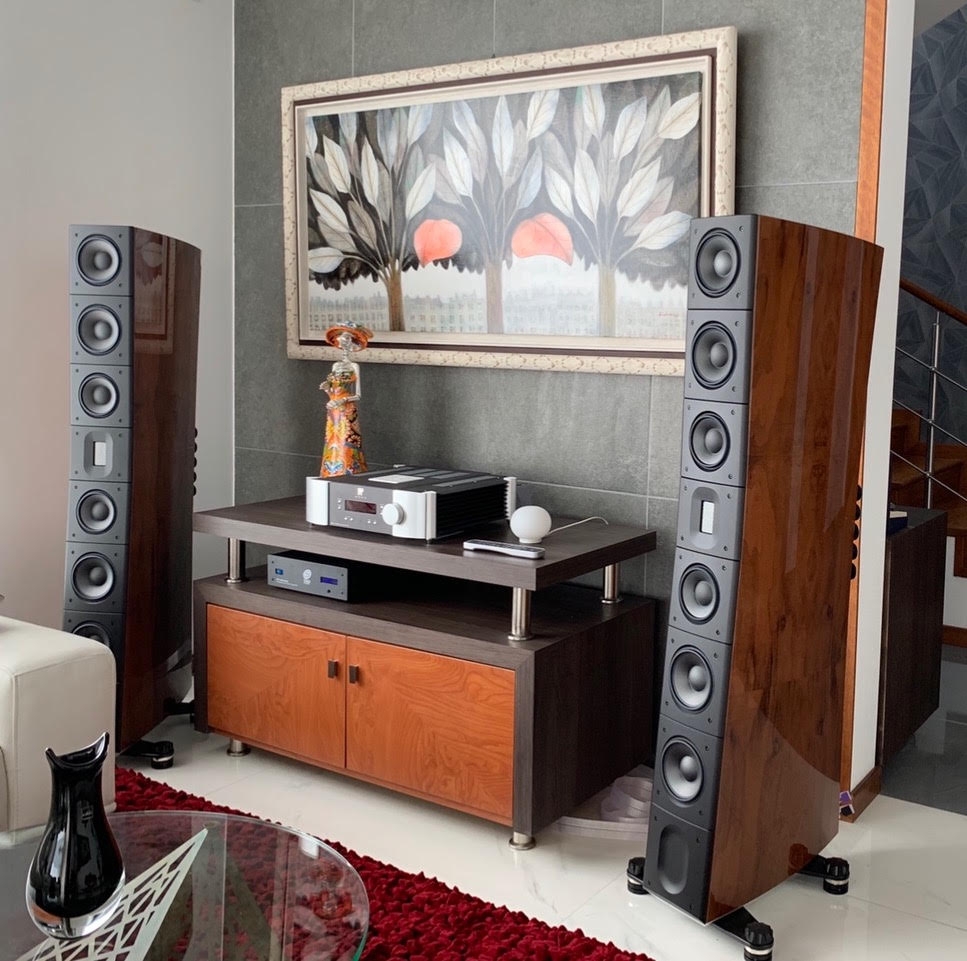
MOON PARTNERS WITH INNOVACIONES ACUSTICAS

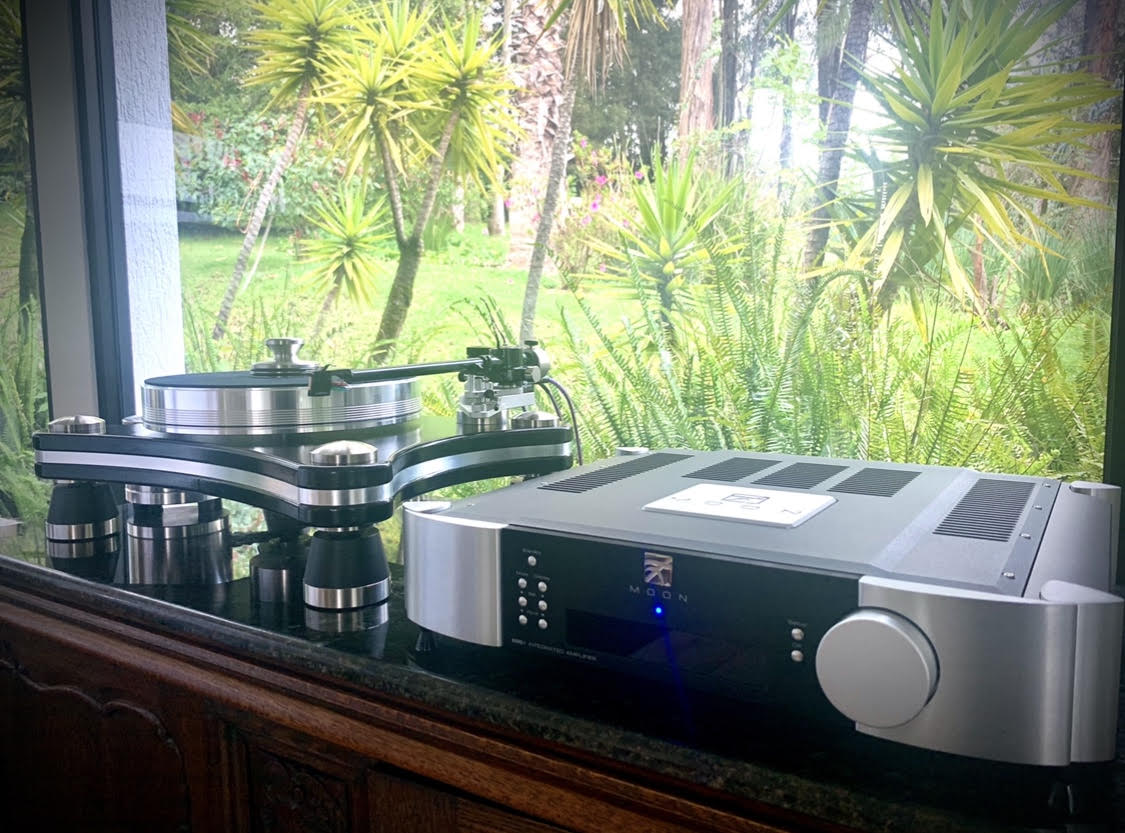
The moon can be seen from anywhere on the planet and now MOON can be seen in many countries across the planet! MOON’s performance audio products continue to grow in popularity across the globe and its partnership with Innovaciones Acusticas in Ecuador has led to the creation of some of the most stylish customer systems in the world. 

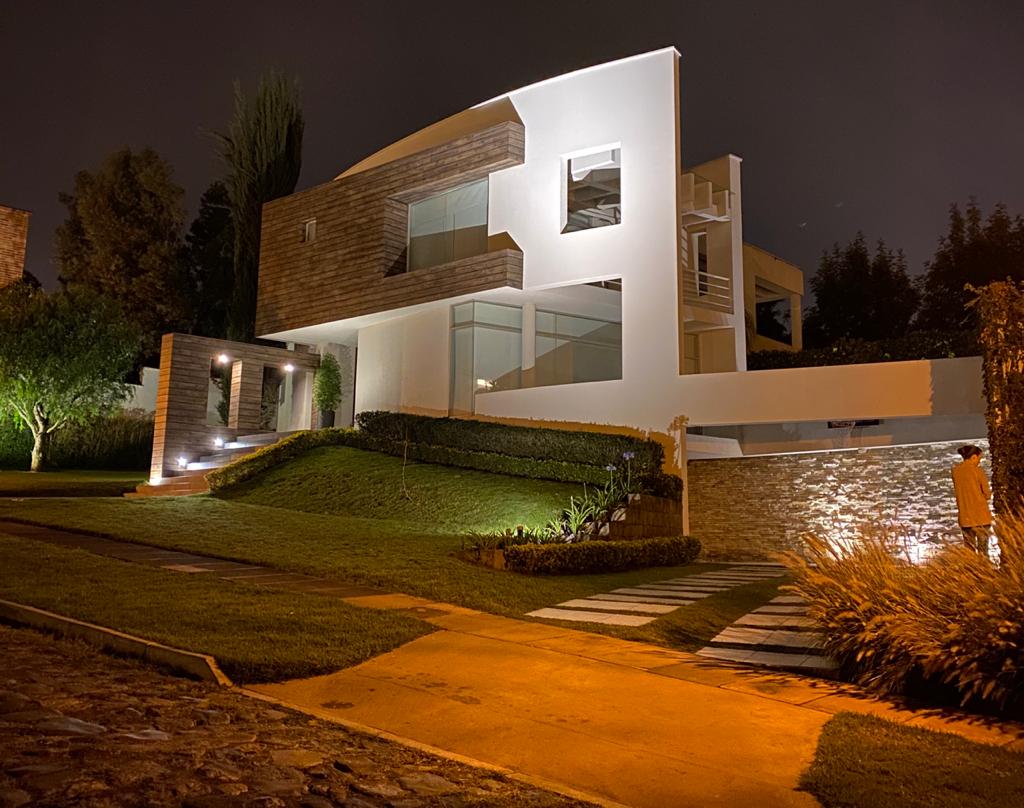
Innovaciones Acusticas’ vibrant approach to designing audio setups has led to MOON’s products being placed at the heart of some truly stunning South American homes. From its beautifully designed experience centre in the mountains, Innovaciones Acusticas has introduced a fresh new hi-fi culture to Ecuador and takes delight in thrilling its customers by creating systems that deliver extraordinary, personalised audio performances. With this ethos, it is the ideal partner for MOON. 

Innovaciones Acusticas’ special listening events, exciting videos and dynamic social media feeds are a world away from traditional hi-fi operations and help their customers understand how premium audio products can bring a recording to vivid life and deliver a performance to remember.


Etienne Gautier, MOON’s export sales manager, said: ‘The Innovaciones Acusticas team has a deep understanding of our products and is passionate about delivering the best possible sound experience. Together with partners such as Scotland’s Renaissance, I believe that they represent the future of our industry.’ 

www.simaudio.com

www.innovacionesacusticas.com 

www.youtube.com/watch?v=CLgjNXeag6g 

www.renaissanceaudio.co.uk

Wire on Wire Experience 660-S loudspeaker cables

A one-time osteopath called Chris Bell has created Wire on Wire, which is a very clever and unusual cable company, based on his personal experiences as a hi-fi enthusiast. Over a great many years, he tried a number of cable types, coming to the conclusion that: “Every ‘highly recommended’ cable that I ever bought seemed to be at least one tweak away from musical nirvana!”

This led to a decade of experimentation into cable geometry. One test involved comparing tightly and loosely twisted pairs of wires (of equal length). The actual capacitance difference between the two was quite modest, and the differences were mostly to do with imaging, rather than specific detailing. He also investigated conductors of different gauges and discovered that constructional ‘messiness’ also had some sonic advantages.

The result is the hand-braided, open weave cable with ‘REDpurl’, or ‘Adaptive Asymmetric Geometry’ tuneable spacers that Hi-Fi+ found so useful in interconnect form that it received an Award in 2019. Now, however, it’s the turn of the Experience 660-S silver-plated-copper loudspeaker cables, albeit used in conjunction with the Experience 880 interconnects.

The Experience 660-S cables feature a seemingly random looking weave of PTFE jacketed silver-plated copper conductors (toward both ends of the spider’s web of weave, they diverge with an all-blue conductor group, and a blue weave around a red conductor group, to denote polarity). There are deliberately larger gaps in specific parts of the weave designed to accept the REDpurl spacers (trying to shoe-horn them into other gaps can damage the cable and is not covered by warranty).

I ‘messed around’ by fitting the 5m long Experience 660-S speaker cable with a number of spacers and found that adding a spacer at Weave 7 gave some improvement. Adding a spacer at Weave 58 also seemed to improve the focus but introducing another one at Weave 54 was clearly a backward step. Adding a spacer at Weave 53 did help slightly, while dynamics were further assisted by adding at Weave 51. As with the interconnects, experimentation is key to getting the sound to snap into focus in your system.

Ultimately, while I regard pure silver as a superior conductor to silver-plated copper (though whether the price difference is justified will always be a matter for debate), amongst those using silver-plated copper Experience 660-S would seem to be in the upper tier of performance even before you take the tuning capability into account. Add in the tuning options and Wire on Wire Experience 660-S makes excellent sense for those willing to take the to time fine-tune their system. The sound such systems produce can only be enhanced by the ‘tuneability’ of the Wire on Wire approach.

TECHNICAL SPECIFICATIONS

  • Conductors: Multi-stranded, silver-plated copper, 16-22 AWG
  • Insulation: PTFE
  • RFI rejection: Modified twisted pair
  • Geometry: REDpurl™ 
  • Price: £240 per metre pair

Manufactured by: Wire on Wire

URL: wireonwire.com

Tel: +44(0)1372 800605

https://hifiplus.com/reviews/

Harman Kardon Citation 500 Wireless loudspeaker

Lord knows you’re not short of choice when it comes to selecting a wireless, voice-controlled speaker. Every nominally mainstream brand, from the venerable to the no-profile, seems to have a dog in the wireless speaker fight – and, in the case of more than one or two of them, ‘dog’ is an accurate, if rather unkind, description of their wireless, voice-controlled offerings. However, the tide is turning; there are a number of surprisingly high performance wireless loudspeakers (many from traditional audio companies) that go a long way to address the sound quality concerns raised by audio enthusiasts.

Given that it’s lately owned by Samsung, it’s safe to characterise Harman Kardon as a ‘mainstream’ brand – and one of the more venerable, at that. Hi-Fi+ heard (and, broadly speaking, enjoyed) its Citation Tower wireless, voice-controlled stereo pair earlier this year – but those are (by prevailing standards) statement speakers, range-toppers designed to illustrate just what this combination of technologies might be capable of. This Citation 500, by contrast, is much more typical of the category: a single unit, designed to sit on a desk- or table- or kitchen work-top, with wireless connectivity your only option.

No matter the surface you choose to sit Citation 500 on, you’ll need to clear a bit of space. At 21 × 37 x 17cm (h × w × d), the Harman Kardon isn’t the most discreet wireless speaker on the market – and it’s not like the design does anything to minimise the bulk. Instead, Harman Kardon has attempted to make the Citation 500 look expensive in an anonymous kind of way. Yet again, I find myself livid at not having invested in Danish textile company Kvadrat before the boom in the wireless speaker market got under way. No matter if you decide you’d like a Citation 500 in black or grey, the speaker’s absolutely swathed in Kvadrat’s acoustic fabric – just like a hundred other wireless speakers.


Beneath that expensive-feeling, beautifully fitted fabric, the Citation 500 has more-or-less the technical specification its price insists on. A couple of 13cm doped paper mid/bass drivers are augmented by a pair of 25mm silk dome tweeters – the four drivers divvy up 200 watts of Class D amplification between them. Bluetooth 4.2 connectivity is a bit of a disappointment – aptX or, ideally, aptX HD is always preferable (although the benefits are arguably greater where battery life, rather than audio quality, is concerned – and the Harman Kardon is strictly mains-powered). As well as Bluetooth connectivity, the Citation 500 features Chromecast Built-In – so you can count on the fingers of one hand the streaming services, radio stations, podcast providers and so on that aren’t accessible with just a couple of smartphone prods. Music stored on your local network is easily accessible too.

Harman Kardon has embedded a 24bit/96kHz DAC in the 500’s amplification circuitry and, just like the Bluetooth standard, there’s something just a tiny bit underwhelming about this native resolution. It can be argued, with some validity, that a £600 single-enclosure wireless speaker isn’t the most obvious product to show up the differences between 24bit/96kHz and, say, 24bit/192kHz – but it’s always nice to have the option of playing full-fat high-res audio files without them being downscaled by the machine that’s playing them.

There are scant few physical controls. The top panel features an abbreviated (and not that responsive) touch-screen, with the basic play/pause, skip forwards/backwards and volume up/down functions covered. Volume up/down is duplicated in physical controls below the touch-screen. There’s also an extremely brief area of the screen for displaying album artwork.

No, the majority of your interaction with the Harman Kardon is via the medium of the spoken word. There are a couple of pin-holes for microphones just above the touch-screen, and the mics are capable of hearing your voice above even quite oppressive volume levels. Google Assistant is, in my experience, just competent enough to be utterly infuriating when it doesn’t instantly understand instructions – just don’t have the poor taste to show up with a strong regional accent and you should be ok. And if you’re not, just open the app of the service you’re interested in and cast it from there.

And you can safely call out “OK Google – volume up” with a fair bit more confidence than is advisable with quite a few rival designs. The Citation 500 is well capable of filling even quite a large domestic room with sound – there’s no doubt that Frank Zappa’s Apostrophe (‘) [DiscReet] gets slightlier shoutier (but no less smug) at antisocial volumes, but the Harman Kardon remains much more composed and coherent than many competitors when playing at indiscreet levels.

There’s similarly admirable dynamic equanimity on display here, too. No matter if you’re listening at background, low-level volumes or really pressing on, the Citation 500 describes both the broad ‘quiet/loud/quiet’ dynamics of The Field’s Yesterday and Today [Kompakt] and its more subtle harmonic dynamic variances with real assurance. There’s no shortage of punch and drive on display, but it’s not at the expense of nuance – which is another way the Harman Kardon puts worthwhile distance between itself and many similarly priced competitors. For many alternative speakers, the desire to generate something approaching ‘excitement’ can result in bloated, overstated and rather blunt low-frequency presence – that’s not the case here.

The smooth integration between drivers Harman Kardon has managed to finesse also adds to the impression of even-handedness – it’s the most successful speaker in the entire Citation range in this respect. The crossover between the tweeters and those relatively large mid/bass drivers is almost aerodynamically smooth, and this (along with the overall spaciousness of the soundstage the 500 generates) gives Mos Def’s Black on Both Sides [Rawkus] plenty of breathing space. The midrange is probably the biggest beneficiary of all, in fact – the rapping sounds natural and intimate, with ample elbow room, and it exists in its own little pocket even as midrange information is expertly integrated into the rest of the frequency information.

From top to bottom, in fact, the 500’s tonality is winningly judged – from the bite and crunch of the highest frequencies to the rigorously controlled punch and attack of the lowest, the Harman Kardon sounds unified. It’s pretty articulate but, even more importantly, its overall presentation sounds like that of a single entity.

Only the most hectic recordings (like Sons of Kemet’s Your Queen is a Reptile [Impulse!], for instance), where the dynamic variations are laid on with a trowel, can fluster the Citation 500. And even then, only a little. It’s not all that easy to force the Citation 500 out of its comfort zone and, even if you’re bloody-minded enough to attempt it, it’s tricky to get it to move all that far. It has an almost fanatical need to be in control of recordings, to properly exert its authority over them – but that’s not to suggest recordings are strangled or in any way repressed. The Harman Kardon just wants music to know who’s boss around here.


It’s important to note that all of the observations regarding audio quality apply to music that’s being delivered via Chromecast. As elsewhere in the Citation range, the equivalent Bluetooth performance sounds relatively bloodless by comparison – the Harman Kardon has a slight, but definite, talent for draining much of the animation from music when it’s introduced via Bluetooth.

Obviously a wireless speaker costing just shy of £600, even one as competent as this, isn’t going to represent the state of any traditional hi-fi art. But what the Citation 500 does get close to representing is the state of the (relatively) affordable, (relatively) compact wireless loudspeaker art. Which is as much as we are entitled to hope for at the price.

TECHNICAL SPECIFICATIONS

  • Driver complement: 2 × 25mm tweeter, 2 × 131mm mid/bass driver
  • Frequency response: not specified
  • Crossover frequencies: not specified
  • Impedance (ohms): 6
  • Sensitivity (dB/w/m): not specified
  • Dimensions (hwd, cm): 21 × 37 × 17
  • Weight (kg): 7.6
  • Finishes: Grey, black
  • Price: £580

Manufacturer: Harman Audio

URL: harmanaudio.com

Distributor: Harman Kardon

URL: harmankardon.co.uk

Tel: +44(0)161 222 3325

https://hifiplus.com/reviews/