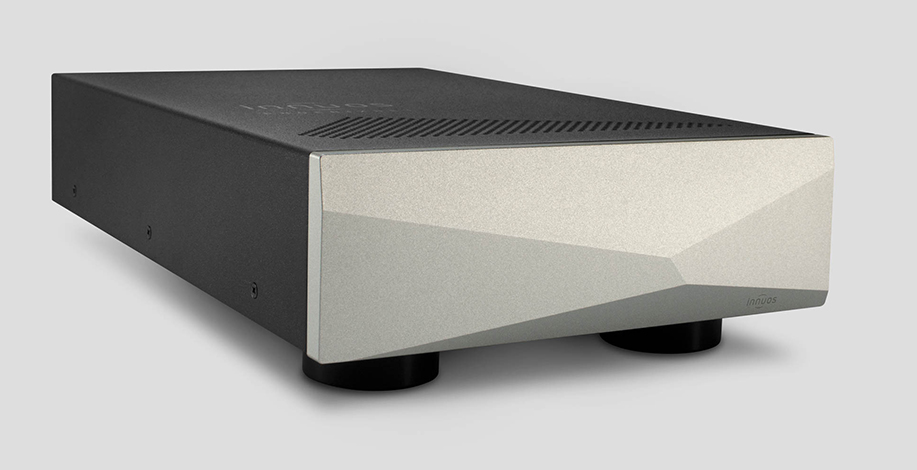
This is the easiest review to write. We have examined both the Innuos PhoenixUSB reclocker (https://hifiplus.com/articles/innuos-phoenixusb-reclocker/) and PhoenixNET network switch (https://hifiplus.com/articles/innuos-phoenixnet-network-switch/), and their status remains unchanged since our previous reviews. However, when used together, they serve a shared purpose and offer a fantastic upgrade for current Innuos server users and beyond.
Nevertheless, a brief review is essential. Both are identical-looking, half-sized boxes resting on three sturdy feet. The PhoenixUSB has a single USB input and output, along with a regenerator, an oven-controlled crystal oscillator with a 24MHz clock, and a very low noise 5V rail, all powered by separate linear power supplies. This reflects the USB stage within the Innuos Statement Next-Gen server (https://hifiplus.com/articles/innuos-statement-next%E2%80%91gen-music-server/).
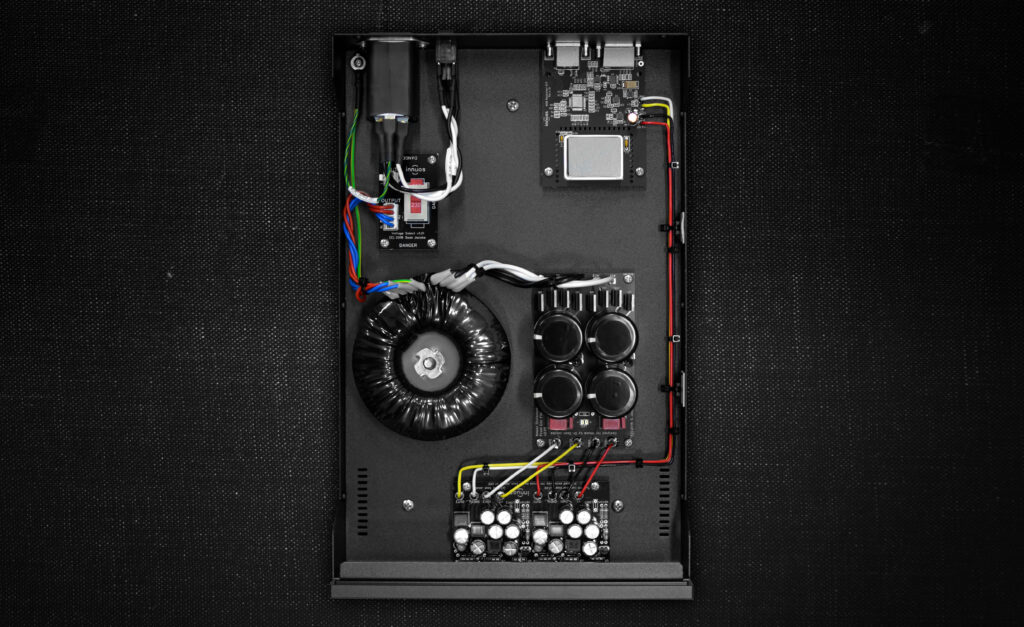
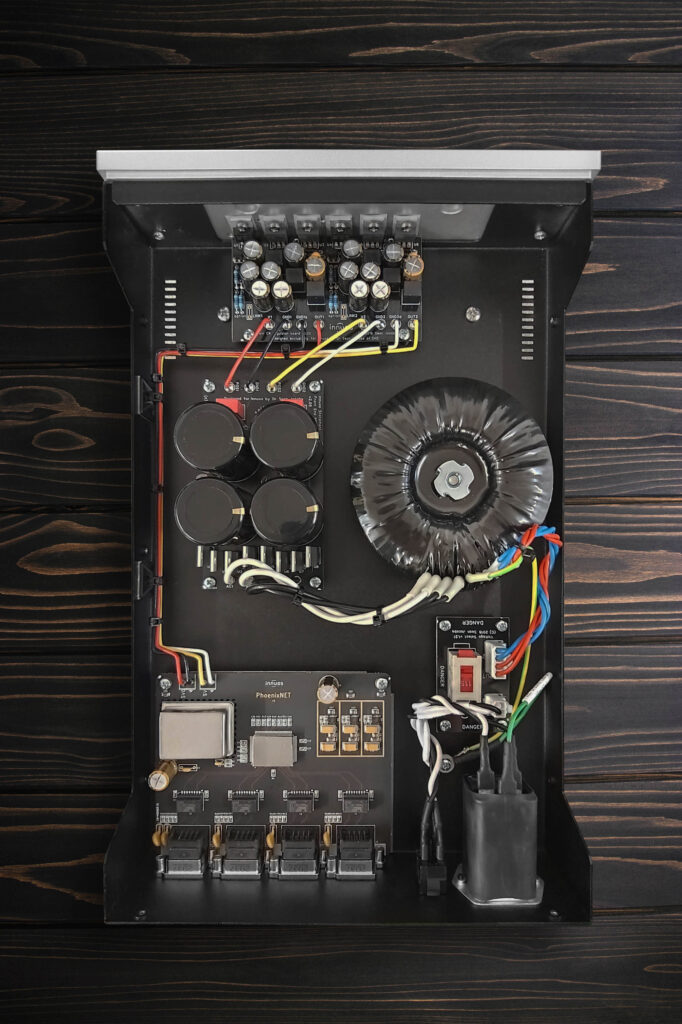
Meanwhile, the PhoenixNET is an audio-specific network switch operating at 100Mb/s rather than the noisier Gigabit Ethernet protocol. Noise is further reduced by short signal paths and clean power supplies that feed the chips. Avoiding traffic priority circuits and switching regulators (which are unnecessary for audio) also helps minimise noise. Even the standard method of noise reduction through opto-coupling is avoided because converting light back into an electrical signal adds more noise than it eliminates from the system. Once again, a custom clock manages the operation, resembling oven-controlled, crystal-oscillating precision timing!
Wait!
Innuos advises that both products be powered on for two days before critical listening. This isn’t about ‘running in’ a new product (neither sample was exactly ‘new’), but it’s partly necessary to ensure that those clocks are functioning at the correct temperature. I couldn’t help myself and listened straight out of the box and… yeah, give it a couple of days!
To evaluate the pairing, I used both an Innuos Statement Next-Gen and an original Melco N10 outputting to the DAC. The PhoenixNET replaced a Nordost QNET network switch. The Melco demonstrated the strengths of the two Phoenix products both separately and together very well. The Innuos devices added a sense of order and calm to the sound without diminishing the energy of the musical content. Given the many ‘Zen’ products in the Innuos range, it’s almost amusing that the two that bring that nearly meditative calm are called ‘Phoenix’. But it’s also very fitting since the sound is reborn from the ashes of noise.
Subtle tells
The subtle ‘tells’ demonstrate how much this Phoenix duo enhances the performance. I played the atmospheric ‘Albo Gator’ by Michael Brook [Albino Alligator, 4AD], which is mainly hang drum, percussion, and spoken voice, with clever use of reverb to create a swampy atmosphere. Before introducing the Innuos duo, the hang and voice dominate, but with the PhoenixNET and PhoenixUSB in place, the cicada-like percussion becomes more integrated into the mix; it’s still persistent and ever-present, but more ‘there’ in the music than before.
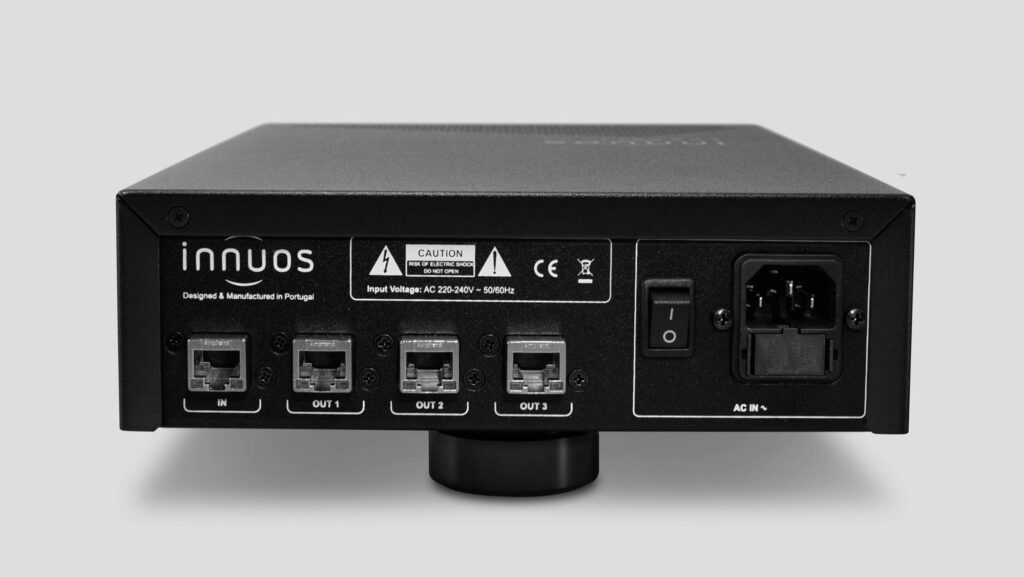
Although the two Phoenix products are not in the same signal chain, they work harmoniously. Their strong shared sound qualities make them sound better together than the sum of their individual parts.
That sense of calm order grows on you the longer you spend with the two Innuos Phoenix products. Even when playing something jagged and deliberately chaotic like ‘Terminal Slam’ by Squarepusher [Be Up A Hello, Warp], the Innuos duo make it seem more understandable and less like someone committing atrocities on a sequencer.
Next-Gen user
However, as an Innuos Statement Next-Gen user, I’m probably the least likely beneficiary of the powers of PhoenixUSB, and in truth, the PhoenixNET did most of the sonic heavy lifting here. Even when used with the Statement, there’s a gain to be had by utilising both Phoenix models, providing a performance boost over using the PhoenixNET alone. I wouldn’t automatically recommend both to Statement owners (the improvement is there, but it isn’t as marked as in other systems). However, I would strongly recommend the PhoenixNET. It benefits the Statement Next-Gen through its no-noise approach to networking, and they are both visually and sonically on the same page.
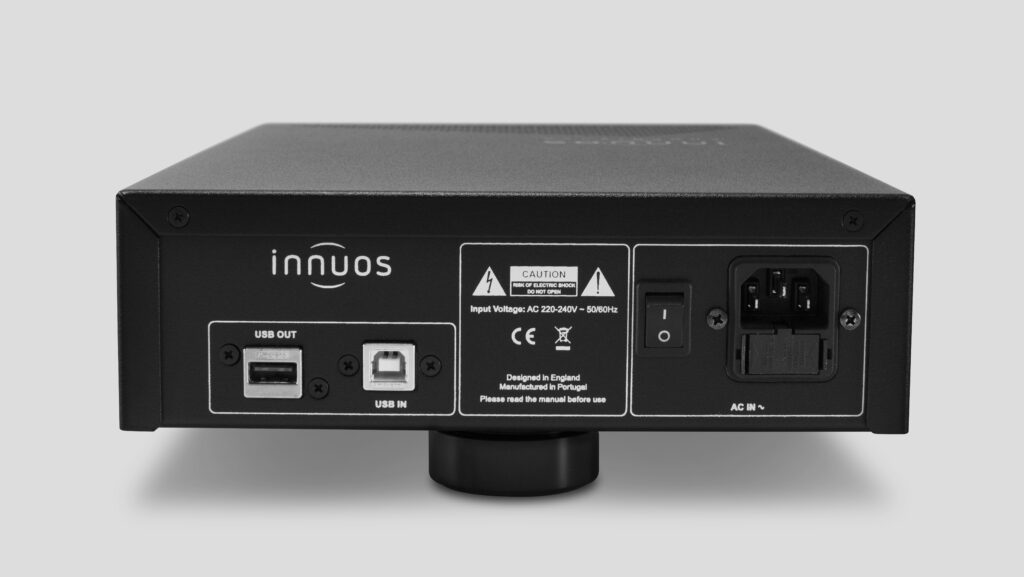
That said, if you want to get the most performance from the Innuos Statement Next-Gen (perhaps you prefer the more ‘direct’ sound of this model over the latest ZEN Next-Gen, tested in Issue 240), then the combination of the Statement Next-Gen, PhoenixUSB, and PhoenixNET is the peak of that design. If you are using one of the original Innuos ZEN models and don’t plan to upgrade to the higher-end models, the PhoenixUSB and PhoenixNET complete the system very well. If you intend to do this in stages, start with PhoenixNET; however, PhoenixUSB is excellent, but the lower the noise entering the server, the better.
One more thing
There’s one last element to consider. Most people who are familiar with Innuos are aware of its server products. However, those with older rival models who might be looking for a replacement… well, the Innuos PhoenixUSB and PhoenixNET together serve as the perfect introduction to the line. The boost in performance will enhance your existing server, so you may not feel an urgent desire to switch server products quickly. However, when you do, the chances of not choosing an Innuos product after discovering what these two can do are slim. As proof of concept for Innuos for someone with an existing server, this Dynamic Duo is hard to beat.
It seems like an unusual synergy, as Innuos’ PhoenixUSB and PhoenixNET are not part of the same signal path; one operates on the network side of the system, while the other likely sits between the server and DAC. Nevertheless, they work harmoniously, and the sound produced when both are in the system is unattainable with just one Innuos Phoenix box.
Even with the Statement Next-Gen, which effectively includes one PhoenixNET and two PhoenixUSBs, the two extra units add a dedicated PSU, 100MB/s rather than gigabit Ethernet, larger noise isolation transformers, no LEDs, heavier-gauge sockets, and more to the digital setup — and that is exceptionally appealing. Like all the essentials for a high-quality system, the Innuos Phoenix duo does not fundamentally alter the sound of the devices; instead, it enables those devices to perform at a higher level.
Prices and contact details
- Innuos PhoenixNET: £3,249, $4,349, €3,599
- Innuos PhoenixUSB: £3,249, $4,349, €3,599
- Both PhoenixNET and PhoenixUSB are sold with 20% saving if bundled with any Innuos music server or streamer
Manufacturer
Innuos
Homepage: https://innuos.com
Phoenixnet: https://innuos.com/phoenixnet/
PhoenixUSB: https://innuos.com/phoenix-usb/
Where to buy: https://innuos.com/where-to-buy/
Trending Articles
See all



By Alan Sircom
More articles from this author
Read Next From Review
See all
HIFISTAY Sound Wings+
- Sep 16, 2026
Marantz Model 10
- Sep 16, 2026
DeVore Fidelity O/Bronze
- Sep 16, 2026
Network Acoustics Origin
- Sep 16, 2026