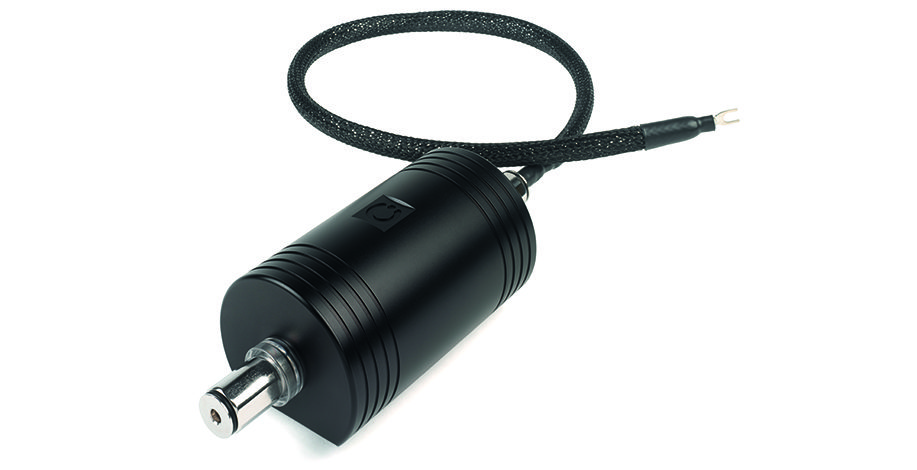
While we are getting used to having filters to deal with the noise generated by our streaming and network products, the Chord Company has been working over the past 13 years to develop a range of affordable, easy-to-use plug-in products that systematically help to eliminate the high-frequency noise that finds its way onto the signal ground across your entire system.
This noise comes from many sources, including your wireless router, wi-fi network, streamer, LED lights, mobile phones, and digital processing circuits, microprocessors and digital displays in your hi-fi.
I decided to check out some of these ARAY products in my system, to see what difference they really make. That system comprises an Audio Note TT3/PSU3 turntable with Arm Two, Io1 cartridge and S9 step-up transformer, Audio Note CDT Five transport with DAC 5 Special and Audio Note Meishu Tonmeister integrated amp, all feeding a pair of Russell K Red 150Se speakers hooked up with QED Supremus Zr cable. On the mains, I use a MusicWorks Reflex Ultra Gen 5 AcouPlex mains block and leads.
To assess the effectiveness of each ARAY product, I added them singly into my system, and then at the end, put them all in place to assess their cumulative effect.
Ground ARAY
I decided to start by trying two GroundARAY XLR ‘tubes’ into two spare XLR balanced output connectors on the back of the DAC 5 Special. I played the ‘Times Gettin’ Tougher’ track from Ben Sidran’s latest CD, Are We There Yet (Live at the Sunside). With the GroundARAYs in place, there was no doubt that Sidran’s piano was more solid with more note detail, while his vocals were more open and expressive. Drums and percussion had more delicacy, attack and inner detail and the guitar solo was better defined with more shape to the notes. A worthwhile improvement.
Moving on to the title track from guitarist Peter White’s Groovin’ CD, I was again impressed with the effect of the ARAY. Percussion was better focused and snappier, timbales and congas were more solid and I could hear how White shaped each note on his guitar. The bass line was also more solid and tuneful.
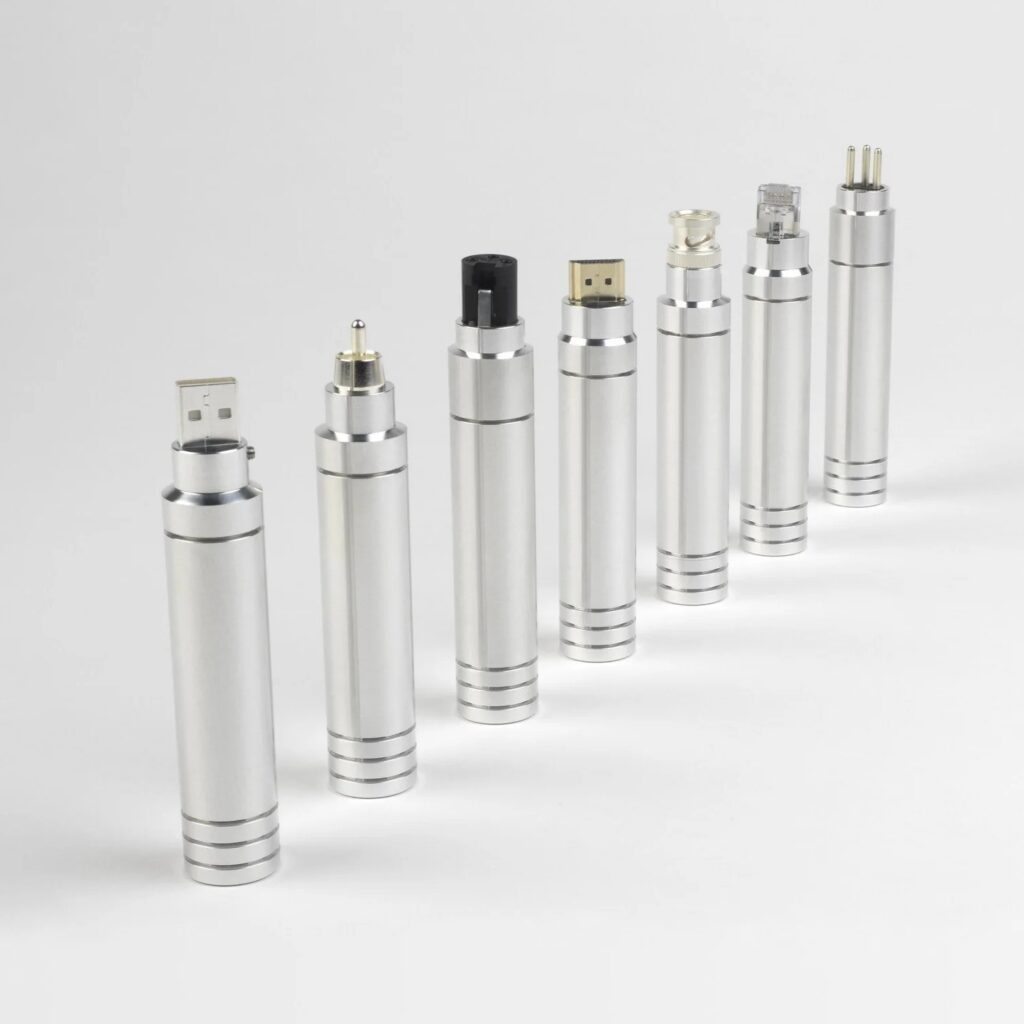
Sticking with the GroundARAYs, I then inserted the phono tubes into the AUX sockets on my Meishu. It is recommended to get them as close to the sockets in use as possible and to avoid letting the aluminium cans touch. Use a sliver of paper between them if you need to.
To assess their effect, I spun up Julian Lage’s track ‘Omission’ from his latest Speak to Me double album. It took only seconds to realise that his guitar was now more open, had more body and that I could hear more clearly exactly what he was playing. Drums and percussion were cleaner and I could hear more of the intricacies of what was being played. The track too had a better rhythmic impetus to it. All in all, the track just made more sense musically.
I then switched to a CD source and the track ‘All I See is You’ from Dave Koz’s Saxophonic album. Here, Koz’s sax was more sharply etched, better voiced and you could follow what he was playing better. The synth bass line was also tighter and it was easier to separate and tell apart from the electric bass. I could also pick out the trumpet behind Koz’s tenor sax better.
PhonoARAY
Although I had previously tried the GroundARAYs, this was my first time with the PhonoARAY. This connects easily in the ground lead from your turntable and should take no more than a minute to install. To assess its impact on the sound, I first listened to the track ‘Sun Pillars’ from pianist Fergus McCreadie’s latest album Stream. This features some great play on acoustic bass from David Bowden and I immediately noticed that with the PhonoARAY in circuit, bass was tighter, more nimble with more fingering detail. McCreadie’s piano had more body, his play was more fluid and you could hear more clearly how hard he struck each note or chord. The track also had a movement and swagger that diminished when I took the PhonoARAY out of circuit.
I couldn’t resist trying my favourite track from guitarist Larry Carlton’s amazing Discovery album, namely his cover of The Doobies’ ‘Minute by Minute’. This is a fantastic recording and has a sinuous, driving bass line that really lends the track momentum, and I could follow that more clearly when using the PhonoARAY. Carlton’s acoustic guitar was also cleaner and clearer, allowing me to hear how he shaped each note. Backing vocals too were clearer and easier to follow. The sax solo had more bite and inner detail, and on the whole there was more life and energy to the music when using the PhonoARAY. I’m convinced!
PowerARAY
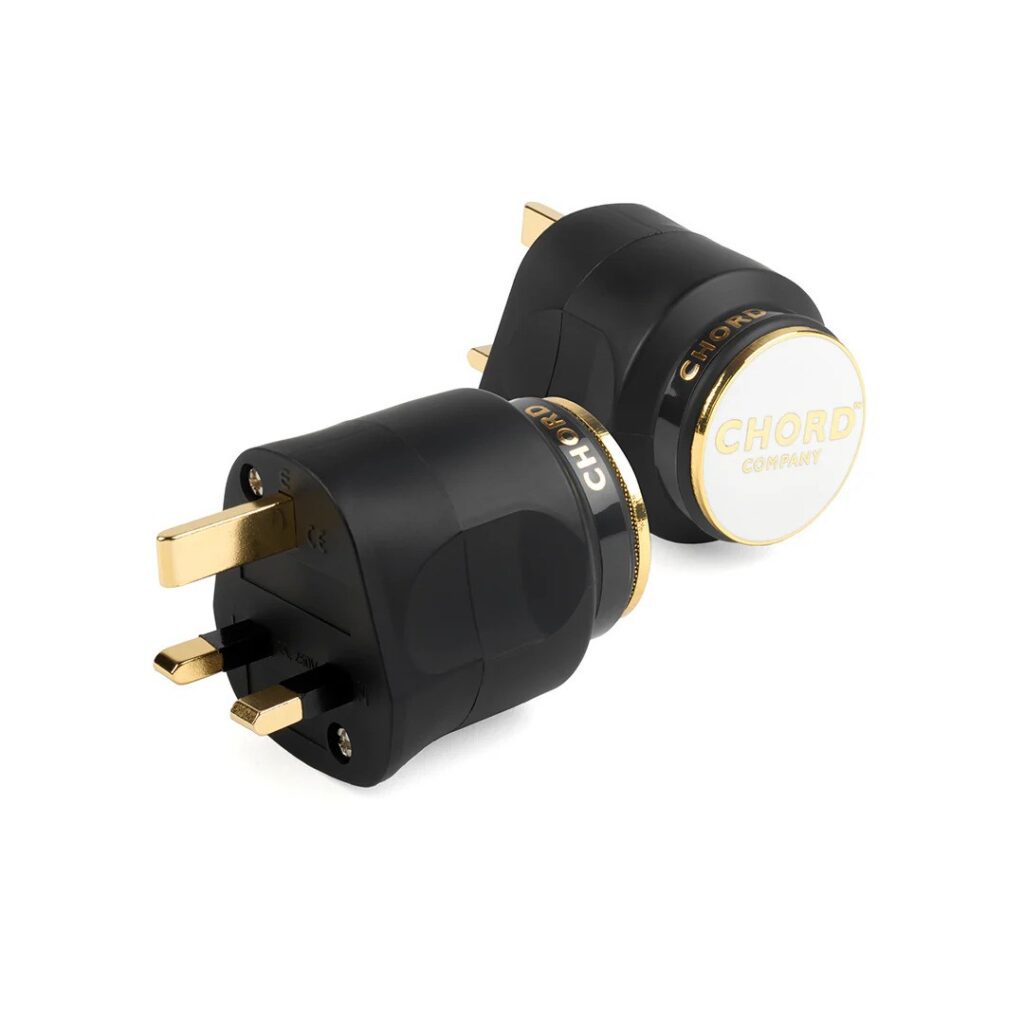
Up next was the PowerARAY UK mains plug. This contains some ARAY material and plugs straight into your mains socket. I found myself wondering whether – since I am using the excellent MusicWorks distribution block, which brings a substantial improvement to sound quality in its own right – plugging the PowerARAY plug into that would coax any more improvements?
I needn’t have worried. When I played ‘Don’t Know Why’ from Norah Jones’s excellent Come Away With Me album, her voice clearly was more expressive and open and lost the slightly hard edge it had before when she pushed a note.
And when I tried ‘Just Give It a Chance’ from guitarist Peter White’s Good Day CD, I could hear an improvement in the focus and phrasing of his guitar, with better leading-edge bite, while the percussion line was better focused and syncopated. The music also just moved better.
PowerARAY Professional
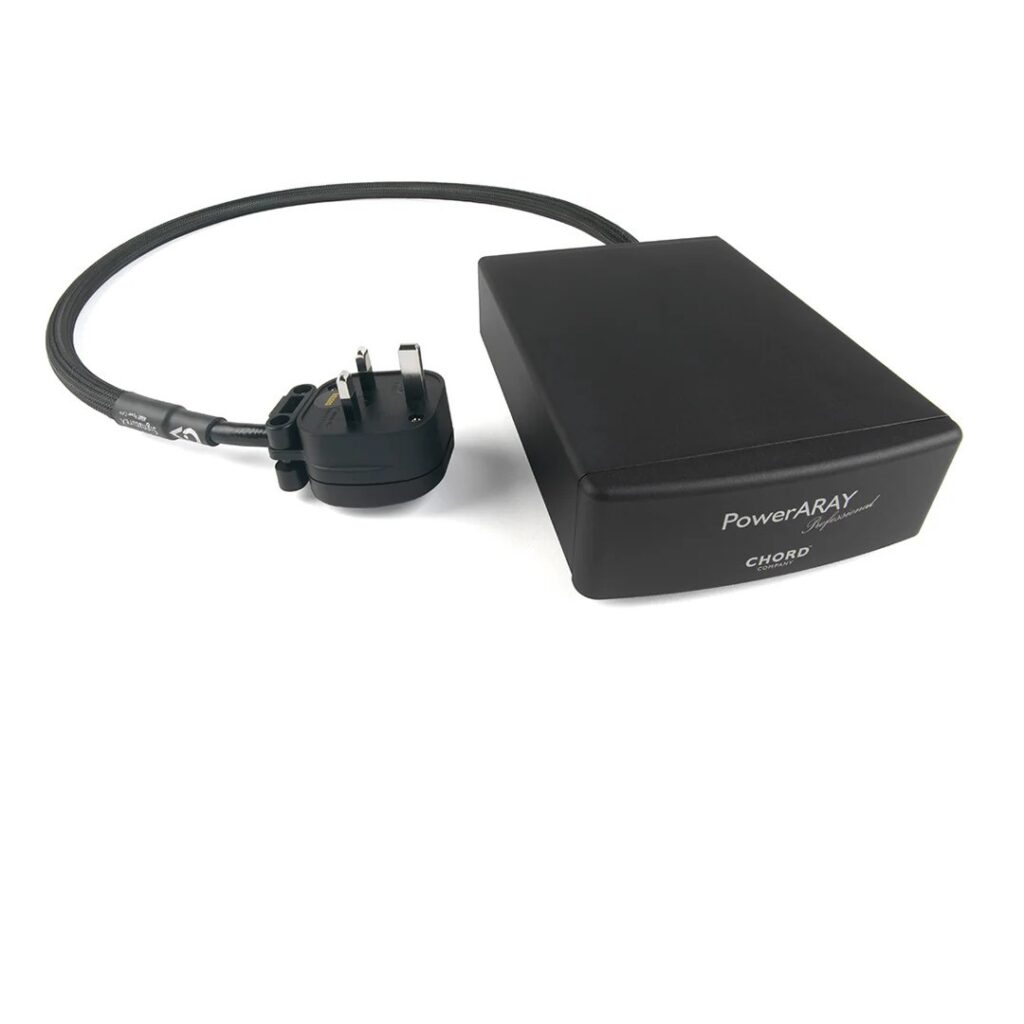
The PowerARAY Professional is a far larger box and allows Chord Company to incorporate some of the tricks you’ll find in its PowerHAUS mains blocks.
It’s advised that for the best results you should plug the PowerARAY Professional into the adjacent socket on the same wall outlet you plug your system into. So that’s where I put it. As on the PhonoARAY, they also advise slackening off the bolts holding the feet in place to help isolate it from the surface it is placed on.
First I played an old favourite of mine, ‘It Didn’t All Come True’ from Ben Sidran’s superb Bop City album. Straight away I could hear that his piano sounded more real, had more body and dynamics, while his nimble-fingered play was captured with greater detail and poise. Vocals were also more open and the bass line that really adds impetus to the track rhythmically was faster, tighter and more agile.
On the Fergus McCreadie track I mentioned earlier, again his piano was more solid, better voiced with a better sense of how he plays each note, while I could hear more note detail and fingerwork on that gorgeous double bass. Percussion too was more delicate and detailed. No doubt at all, the PowerARAY Professional brought an improvement that was well worth having.
EE1 Plus
Chord recommends putting the EE1 Plus between the network switch and the streamer, which is what I did, using decent quality Chord cables of course. I compared it against the standard EE1.
I went into mConnect on my phone and on Qobuz found Julian Lage’s Squint album. On the track ‘Boo’s Blues’, Lage’s guitar was much better voiced with the EE1 Plus and I could hear each note better and how he shaped it. Cymbals were more delicate and detailed and snare was sharper, better defined. The bass line too was tighter and more melodic.
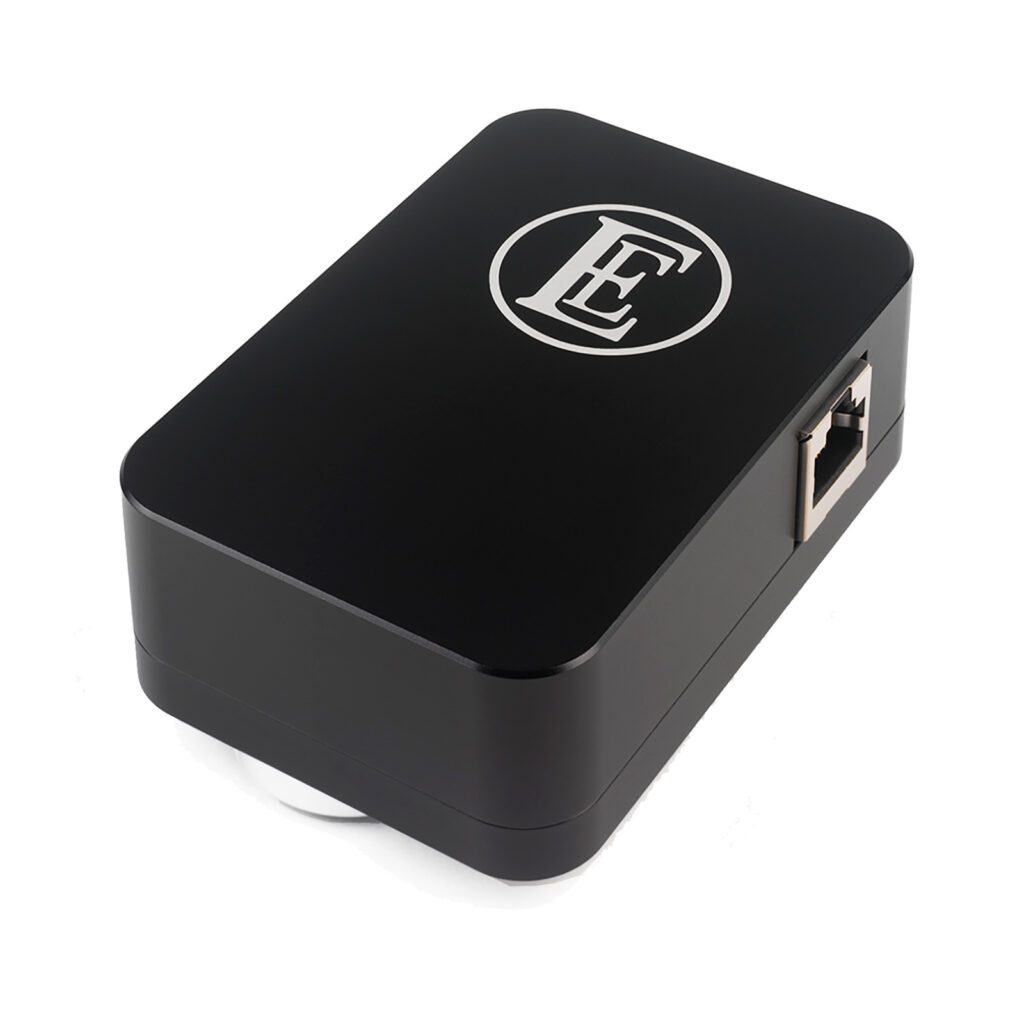
Next I tried ‘Human Nature’ from Miles Davis’s You’re Under Arrest album. On the EE1 Plus, the strings, percussion and keyboard on the intro were better separated, while Davis’s trumpet was somehow more real, more focused and let me hear the nuances and subtleties of his play that make him the legend he is. The staccato rhythm of the track also came over better, helping it all make more sense musically.
All together now
The interesting part of all these comparisons is that no matter which ARAY products I plugged into my system, the ways in which it improved sound quality were always the same – sharper, cleaner, better focused and easier to hear what each musician is playing and how.
At the very end of my listening, I took them all out and systematically put them back one by one. Was there as noticeable cumulative improvement as there had been when I inserted them just one at a time? Yes there was.
So in conclusion, I strongly recommend you give the ARAY products a try. They deliver worthwhile improvements without breaking the bank and they keep on delivering them as you add more.
Learn more about Chord Company’s ARAY products here.
Prices and Contact Details
- ChordOhmic Ground ARAY RCA: £620, $850, €746
- ChordOhmic Ground ARAY XLR: £620, $850, €746
- PhonoARAY: £1,030, €1,299, US price to be confirme
- Power ARAY UK mains plug: £620 (UK only)
- PowerARAY Professional (Signature X): £4,120, €4,888 no US version
- EE1 Plus: £620, €799, $930
Manufacturer
Chord Company
+44(0)1980 625700
Trending Articles
See all
By Chris Frankland
More articles from this author

Read Next From Review
See all
Eversolo T8
- Oct 13, 2026

Acoustic Energy AE Active
- Oct 13, 2026
Reiki Audio SuperSwitch X/Pro X PSU
- Oct 06, 2026
Audiobyte SuperVOX
- Oct 06, 2026