Up to 37% in savings when you subscribe to hi-fi+
hifi-logo-footer

Begin typing your search above and press return to search. Press Esc to cancel.

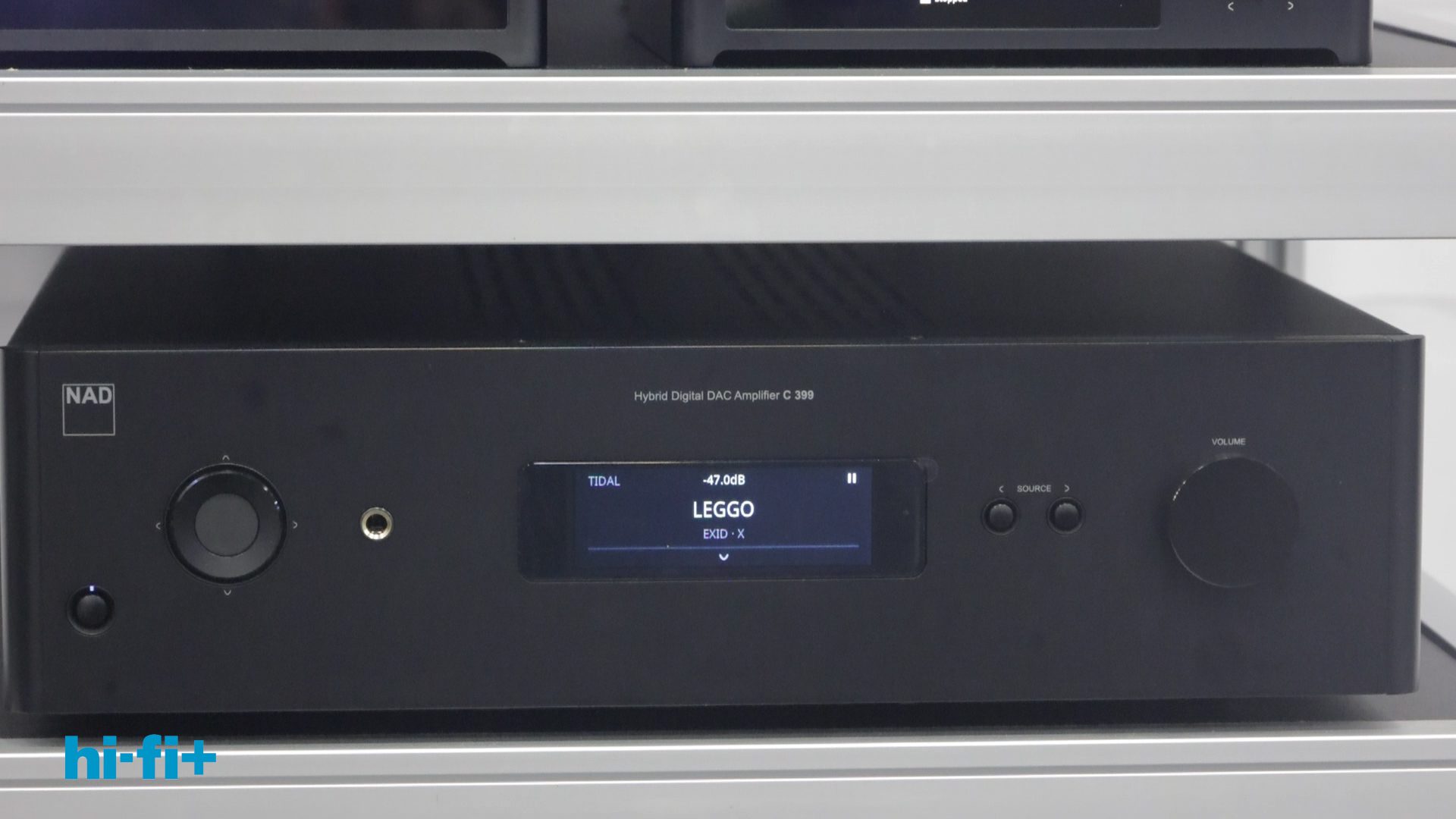
NAD C 399: A streaming amp you can add inputs to?

NAD C 399 was displayed in front of new sets of eyes and ears in the beginning of October.

In the video below, Marshall with NAD Electronics talks about the new C 399 integrated amplifier at CEDIA Expo 2022 in Dallas.

The NAD C 399 allows you to add inputs as needed. There’s also the MDC2 BluOS-D, which allows streaming, and comes with Dirac live room correction.

He also talks about the yet-to-be released C 389, the Master Series M33, M10 V2, and the C 700.

For more information, visit the link below:
https://nadelectronics.com/

You can see this video and more on the Hi-Fi+ YouTube Channel, such as Tea Time with Alan and Pete.

Hi-Fi+ Editor Alan Sircom and Publisher Pete Collingwood-Trewin talk about what’s happening in the high-end audio world.

Tea Time with Alan and Pete is just one of several new series on the Hi-Fi+ YouTube channel designed for audiophiles of all levels.

Another series is History of Audio, which aims to teach viewers a little about the History of Audio, which might be a trip down memory lane for many. It also hopes those who watch will learn from the varying experiences of other audiophiles through their trials and tribulations with different equipment.

While you’re on our YouTube channel, be sure to check out our Audio Basics series. So far, this series has covered what makes a great stereo system and how to find a great stereo system.

Soon, you can find reports from manufacturers at audio shows from around the world. You can see the likes of Aurender, Focal Naim, AudioThesis, Schiit Audio, and Magnepan, just to name a few. Right now, you can see what debuted at AXPONA 2022 and a bit from the Texas Audio Roundup, including background on the Magnepan LRS+. You can also see videos from Pacific Audio Fest in Seattle, and soon you can catch videos from CEDIA 2022 in Dallas.

You can also see additional product reviews as well as more from CEDIA Expo 2022 in Dallas on the hi-fi+ YouTube channel coming soon.

Be sure to subscribe to the YouTube channel so you don’t miss any episodes!

Click to go back to homepage.

Selekt DSM high-performance components announced

Selekt DSM now has several high-performance components for the product’s ecosystem.

*From the Linn news release

Linn has made sustainability a cornerstone of their product offering for decades; with their unique approach to modularity and upgradeability setting them apart from their industry peers. They deliver ongoing value to their customers, by creating products that grow, evolve, and perform exceptionally over time — providing an open road to upgrade, rather than a cul-de-sac to redundancy.

Launched in 2018, and encapsulating these core values of modularity and upgradeability, Selekt DSM was conceived with the intent for it to grow into a broad ecosystem of modular upgrades. Linn today announces several high-performance components for the Selekt DSM product ecosystem which further cement it as the undisputed king of configurability — in a class of its own and unlike anything else on the market.

Selekt DSM: Edition Hub – a luxurious, superior-quality, and higher performance enclosure variant. Organik DAC for Selekt DSM – Linn’s reference-level DAC architecture makes its way to Selekt DSM, in both stereo and maximum performance dual-mono variants. The existing Selekt DSM chassis design, first launched in 2018, will henceforth be named Selekt DSM: Classic Hub to differentiate it from the all-new, deluxe Edition Hub.

Selekt DSM: Edition Hub fitted with Organik DAC comprehensively outperforms not only Linn’s Akurate DS and DSM, but their previous-generation flagship Klimax DSM too. With its wealth of performance and price points, the Selekt DSM product ecosystem now replaces both Akurate DS and DSM in Linn’s range.

Gilad Tiefenbrun, Linn’s CEO, says: “Selekt DSM is unique in that it can be easily configured to meet a hi-fi enthusiast’s desired performance, chosen application and budget. By broadening the Selekt DSM ecosystem to incorporate even more versatility and performance, we are continuing to make good on our promise to create modular and upgradeable products that grow and evolve during their ownership — products that deliver both musical pleasure and enduring value, today and tomorrow.”

Selekt DSM: Edition Hub
Design & Features

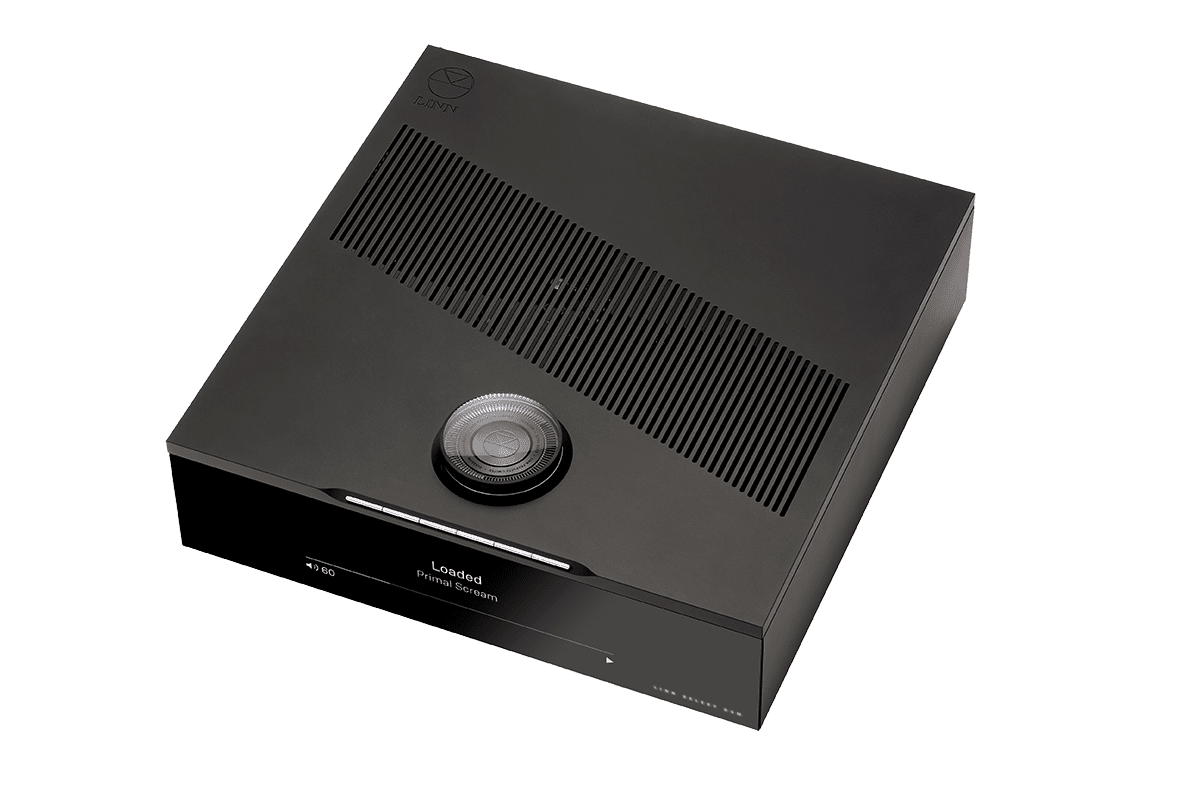
Edition Hub is a superior-quality enclosure, featuring an all-machined construction for improved rigidity, interior isolation, and elevated aesthetic appeal — with sleek sight lines, concealed joins
and understated luxury at the fore. The Edition Hub chassis consists of four plates, rigidly bolted together. The side pieces are flawlessly aligned with the base using pins, with four long bolts subsequently torqued-in for an exceptionally rigid fix, with a pleasing, precision fit and finish.

Providing both requisite heat management and high design appeal, the primary vent of Edition Hub is precision-cut into its aluminium plate lid. The vent itself is evocative of a wave, with each aperture cut at an angle, and only every second one machined all the way through. When viewed from different angles, this wave motif morphs and ripples — with myriad reflections projected from its various finishes and surfaces.

Edition Hub features a much-improved, eye-catching control dial. Its precision, turned-stainless-steel bearing ensures silky, tactile rotation when adjusting volume; and the photo-etched steel halo around its edge allows cool, sharp light to emanate from the one hundred individual LEDs beneath. The dial proudly exhibits Linn’s “Clyde Built” epithet — a reverential nod to their Glasgow home’s industrial river, and the world-leading engineering which has emanated from its shores.
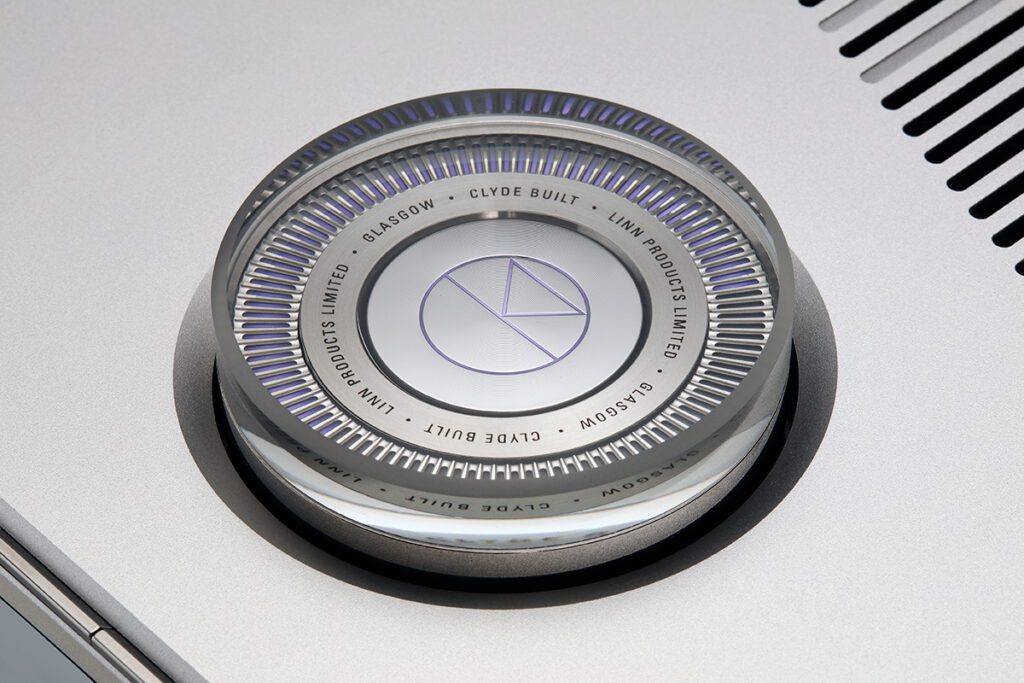
selekt dsm dial

The all-glass fascia of Edition Hub is composed of mirrored spy glass; with the large-format display concealed behind it displaying crisp, clear information when necessary, and fading to total invisibility when not.

A broad range of connections on Edition Hub’s back panel ensures that it can receive, process and expertly deliver audio from any source imaginable; with a high-performance, integrated, analogue-to-digital  conversion stage accepting anything from turntables to CD players, and a host of digital connections allowing connection from video streaming devices, games consoles, and Blu-ray players — guaranteeing the best possible sound from anything connected to Selekt DSM.
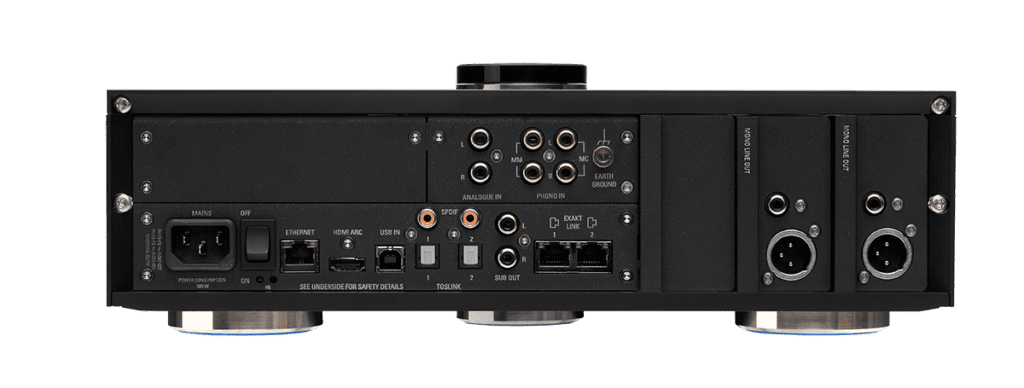
selekt dsm

Additionally, to provide optional bass reinforcement/bass redirect in a stereo system, Edition Hub features stereo RCA line out connectors designed to feed powered subwoofers. Conveniently concealed on the enclosure’s left wall is a 1/4” headphone jack — providing Edition Hub with further welcome versatility, without disrupting the clean design of its frontal aspect. Edition Hub features, as standard, Linn’s all-new, exceptionally efficient, highly responsive, and precision-regulated power supply design — our best yet — Utopik. The product is available in either natural silver-, or black-anodised finish.

Organik DAC for Selekt DSM
Designed without compromise, and engineered entirely in-house, Organik is the breathtaking culmination of over thirty years of digital technology expertise; it is undisputedly the highest-performing DAC architecture to ever bear the Linn name. Organik is now available for every Selekt DSM; in either stereo or, for maximum performance, dual-mono configuration. To accommodate Organik in dual-mono configuration within Selekt DSM, Linn has designed an all-new, line out cartridge, with its output stage fully optimised for this reference DAC architecture. A pair of these mono line out cartridges each houses a mono Organik DAC module— and delivers the very highest performance attainable by Selekt DSM.

To facilitate yet more upgrade options for Selekt DSM, Organik is also available optimised as a stereo module, ensuring that existing owners of Selekt DSM too can experience the breathtaking performance of Linn’s latest DAC technology as an upgrade. Selekt DSM: Edition Hub, featuring stereo Organik DAC, comfortably surpasses the performance benchmark set by Linn’s previous-generation Klimax DSM with Katalyst. The top-performing, dual-mono Organik in Edition Hub raises that bar higher still.

Summary

The breadth of possibility within the Selekt DSM ecosystem is now vast. Customers start with a choice of enclosure design — either Classic Hub, or the deluxe and higher-performance Edition Hub. They then select their desired DAC performance level — whether Standard, upgraded to Katalyst, or the peak performance of Organik – before considering how their Selekt DSM will be tailored to their own specific application.

Whether working their way towards the separates system of their dreams with Selekt DSM as source-only, the highest-performance all-in-one-box product available with on-board amps, the heart of their home entertainment in partnership with a TV, or they seek a fully integrated 5.1 Surround Sound receiver… whether their wish is to bi-amp, or even tri-amp their loudspeakers from a single, luxurious, silver-anodised or black box – it accomplishes all with alacrity.

This is the most configurable digital music player ever. It’s a fully customisable and future-proof product ecosystem for hi-fi enthusiasts; a unique, high-performance offering unlike anything else on the market.

Pricing & Availability
Orders can now be placed for Selekt DSM: Edition Hub, Stereo Organik DAC, Mono Organik DAC (sold in pairs), and Mono Line Out Cartridges (sold in pairs). A newly redesigned HDMI Switching Module upgrade (optional) brings eARC capability to Selekt DSM, and is also available to order now.

Book a demonstration here (local restrictions permitting): www.linn.co.uk/try-linn
Pricing (incl. tax)
Selekt DSM: Edition Hub £9,950
Selekt DSM: Classic Hub £4,900
Mono Organik DAC Module (sold and priced as pair) £5,505
Mono Line Out Cartridge (sold and priced as pair) £1,500
Stereo Organik DAC Module £3,250
Stereo Line Out Cartridge £460
Selekt DSM: Edition Hub with Dual-Mono Organik DAC configuration (highest performance possible) £16,955
Selekt DSM: Edition Hub with Stereo Organik DAC configuration £13,660

Back to homepage.

Ansuz Sparkz TC3: Stronger signal, longer range

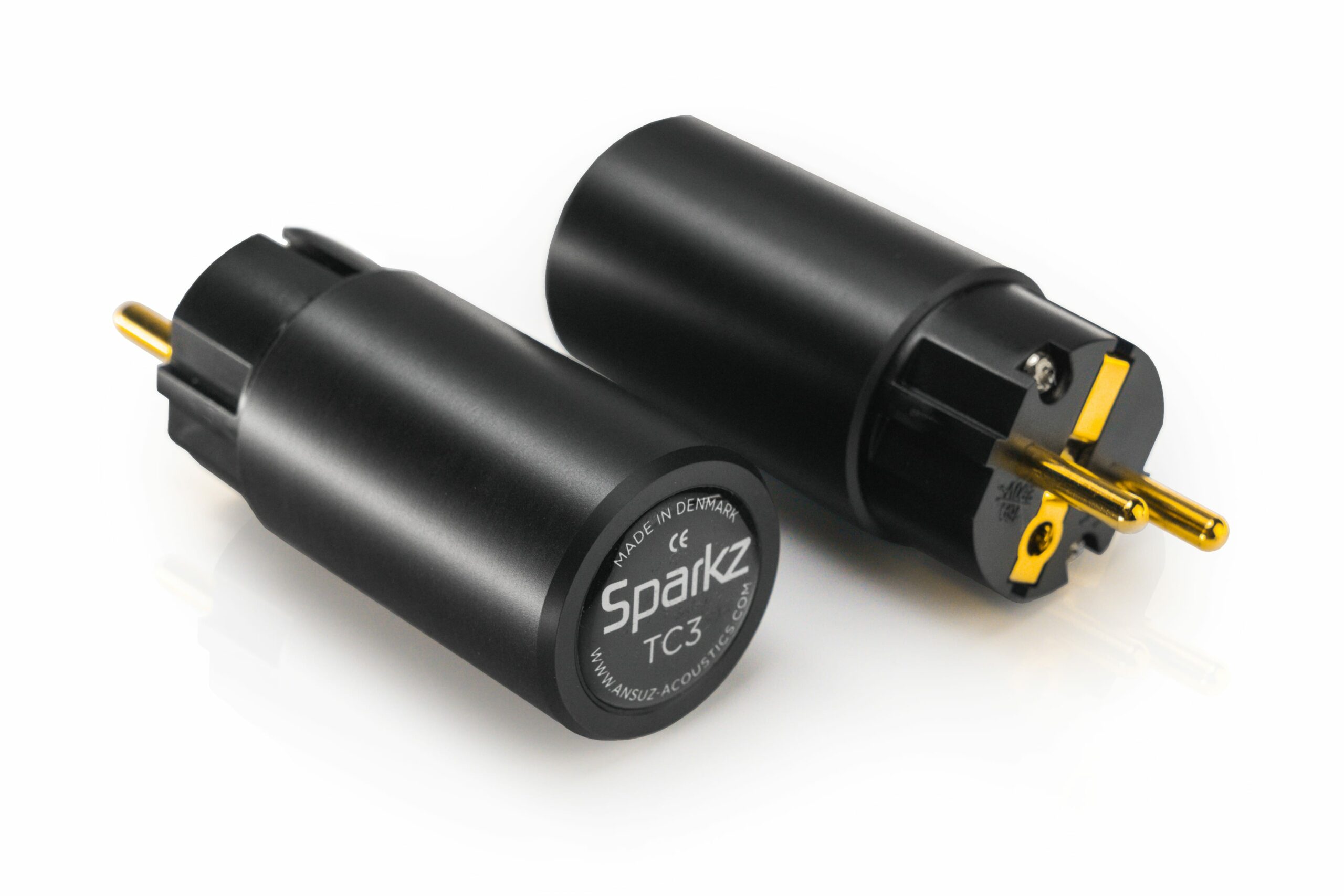
Ansuz Sparkz TC3

Unlocking the full acoustic potential

*From the Ansuz news release

Ansuz’s audio engineering division proudly introduces the new Ansuz Sparkz TC3 Harmonizer. Like the other Ansuz power products in their third generation, the primary design goal of the Ansuz Sparkz TC3 was to create a product that enhances musical performance in the form of a huge soundstage presented on a dark background. The results in an even more authentic music experience. This is an approach that taps into Ansuz general vision of bringing people closer to the music, meaning that our quest is always to try to unlock the full acoustic potential of music. The ongoing optimization of our technologies that takes place at Ansuz is a result of our constant curiosity for new knowledge.

Outstanding musicality Ansuz Sparkz is a noise cancellation plug for open mains sockets, mainly in power distributors. Mains power transmits disturbing noise that ‘bleeds’ into the other Hi-Fi components and impairs their ability to reproduce music with openness and fine detail on a wide soundstage. Ansuz Sparkz is equipped with Ansuz noise reduction technologies to deliver any music with more openness and speed, against an amazingly quiet background.

Analog dither technology 3rd generation

A 3rd generation of the Ansuz analog dither technology has been developed and applied in the Ansuz Sparkz TC3. Analog dither technology originates from radar, where it provides a stronger signal and thus a much longer range. Active Tesla coils emit pulsating signals with precisely defined frequencies. These signals are sent in anti-phase. This significantly amplifies the music signal and eliminates background noise.

Many Ansuz audio products are equipped with this analog dither technique, as it has proven to be amazingly sound enhancing.

Recently, Ansuz has introduced a 3rd generation of this Ansuz analog dither technology. An even more advanced and sophisticated version that reflects Ansuz’s recent research efforts to refine this technology by calibrating the pulsating frequencies with even greater accuracy. The result is a musical authenticity that articulates itself in a strikingly more balanced and natural sound image.

Sparkz housing – POM

The housing of the Ansuz Sparkz TC3 is casted POM which is having remarkable electrical insulating properties. The Sparkz harmonizers are designed to fit beautifully in all power outlets as well as in the Ansuz Mainz8 power distributor.

The Tesla coil principle

When Ansuz designs new audio equipment, one of the main tasks is always to eliminate as much unwanted noise as possible, to provide such uncompromising musical authenticity. This is of course also the case with the Ansuz Sparkz TC3 harmonizer, which is why it was natural to implement Ansuz Tesla coil technology.

The Tesla coil technology aims to remove as much unwanted noise as possible from any musical performance to ensure uncompromised musical authenticity. The principle of Tesla coil technology is based on two counter-wound coils: a coil and a counter coil. In Ansuz’s words, “a double inverted coil” – the two coils both carry voltage. When the Tesla coil encounters a voltage spike, a counter coil is activated to eliminate the noise. Since noise spikes are pure voltage and carry virtually no charge, cancellation is quite good, but still not 100%. However, when multiple P-TC coils are connected in parallel, their noise cancellation capability increases notably, further reducing noise levels to unprecedentedly low levels. This significantly improves the perceived blackness of the music background.

Please visit our website to find your local dealer.

Back to homepage.
Bowers & Wilkins 700 Series: Tweeters on Top?

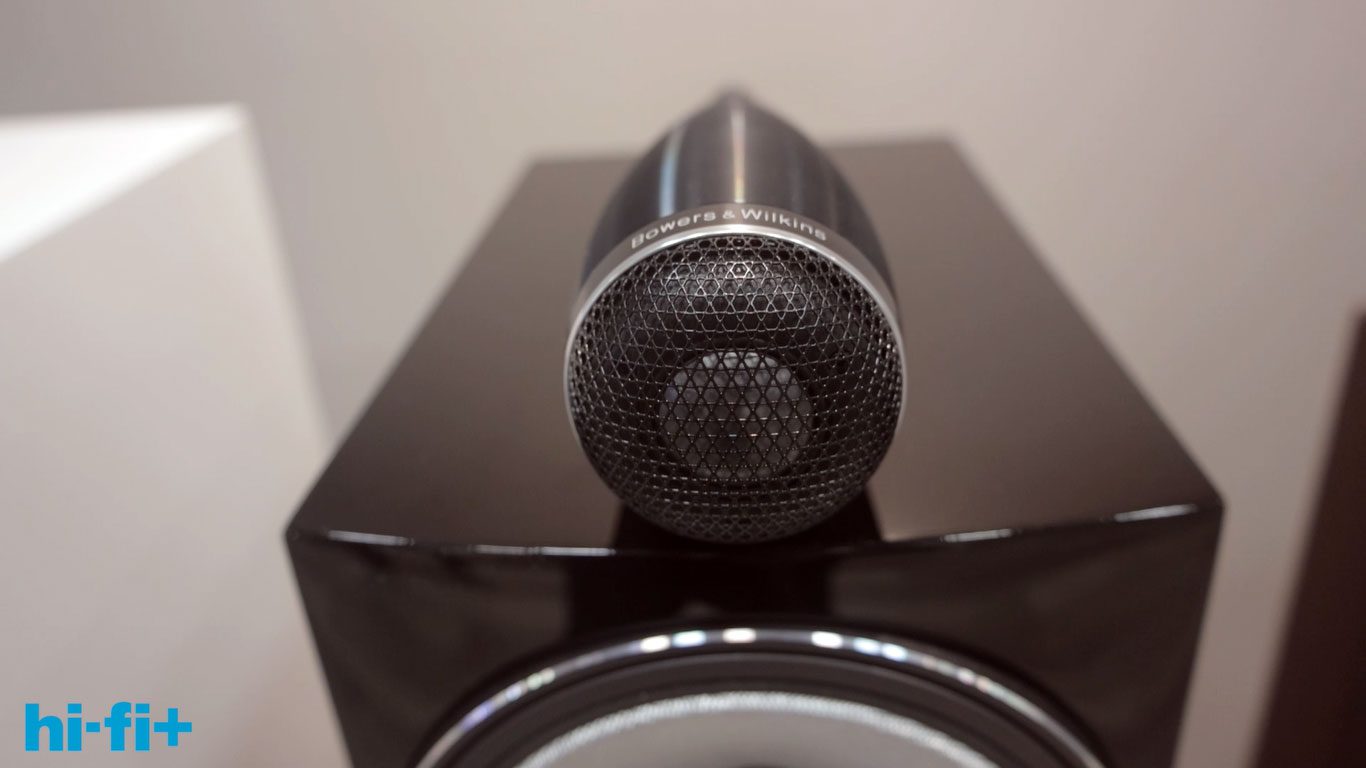
Bowers & Wilkins 700 series features several speakers with tweeters on top, much like in their 800 series.

Steve from Bowers & Wilkins showed off their new 700 series at CEDIA Expo 2022 in Dallas.

The 700 series is Bowers & Wilkins’ mid range of speakers, just below the 800 series and above the 600 series, and includes floorstanding and stand mount speakers.

For more information, visit this link.

You can see this video and more on the Hi-Fi+ YouTube Channel, such as Tea Time with Alan and Pete.

Hi-Fi+ Editor Alan Sircom and Publisher Pete Collingwood-Trewin talk about what’s happening in the high-end audio world.

Tea Time with Alan and Pete is just one of several new series on the Hi-Fi+ YouTube channel designed for audiophiles of all levels.

Another series is History of Audio, which aims to teach viewers a little about the History of Audio, which might be a trip down memory lane for many. It also hopes those who watch will learn from the varying experiences of other audiophiles through their trials and tribulations with different equipment.

While you’re on our YouTube channel, be sure to check out our Audio Basics series. So far, this series has covered what makes a great stereo system and how to find a great stereo system.

Soon, you can find reports from manufacturers at audio shows from around the world. You can see the likes of Aurender, Focal Naim, AudioThesis, Schiit Audio, and Magnepan, just to name a few. Right now, you can see what debuted at AXPONA 2022 and a bit from the Texas Audio Roundup, including background on the Magnepan LRS+. You can also see videos from Pacific Audio Fest in Seattle, and soon you can catch videos from CEDIA 2022 in Dallas.

You can also see additional product reviews as well as more from CEDIA Expo 2022 in Dallas on the hi-fi+ YouTube channel coming soon.

Be sure to subscribe to the YouTube channel so you don’t miss any episodes!

Click to go back to homepage.

Astell&Kern Copper Nickel: Music player built like wind instrument

Astell&Kern SP2000T Copper Nickel delivers a deep and full sound signature.

*From the Astell&Kern news release

Astell&Kern, the multi-award-winning global audio component pioneer from South Korea, has revealed the SP2000T Copper Nickel, a limited-edition portable digital music player. The high-end device is the first to be built from a solid block of copper-nickel alloy, a material commonly found in traditional brass instruments.

Like its orchestral relatives such as the trumpet, French horn and tuba, the copper nickel in the unique SP2000T delivers a deep and full sound signature, offering a truly authentic listening experience.

Underneath its instrumental body, the SP2000T introduces Astell&Kern’s next generation amp technology, the Triple Amp System. Users can switch between tube amp mode, normal op-amp mode or the new hybrid amp mode to select the best sound output for the type of music you are listening to.

Like Astell&Kern’s flagship A&ultima SP3000, this limited-edition device is a quad-DAC player that also features Replay Gain, enabling the player to maintain a consistent playback level by automatically adjusting the volume between tracks.

The high-performance device comes with a full HD (1920×1080 resolution) touch screen high-resolution display as well as a sleek user interface.

For more information on the SP2000T Copper Nickel and other Astell&Kern products, please visit astellnkern.co.uk

Back to homepage.
Lavardin ITx20

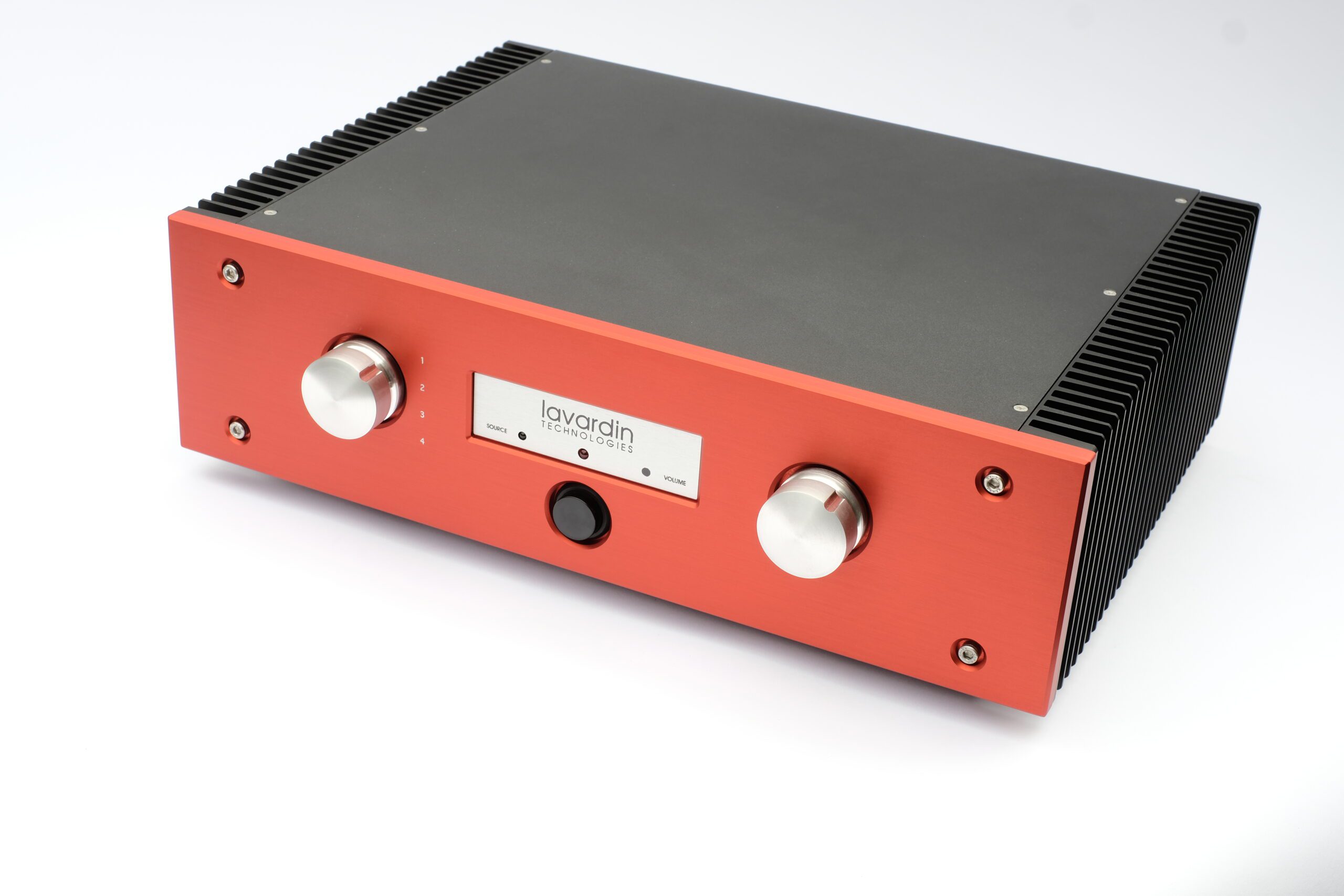
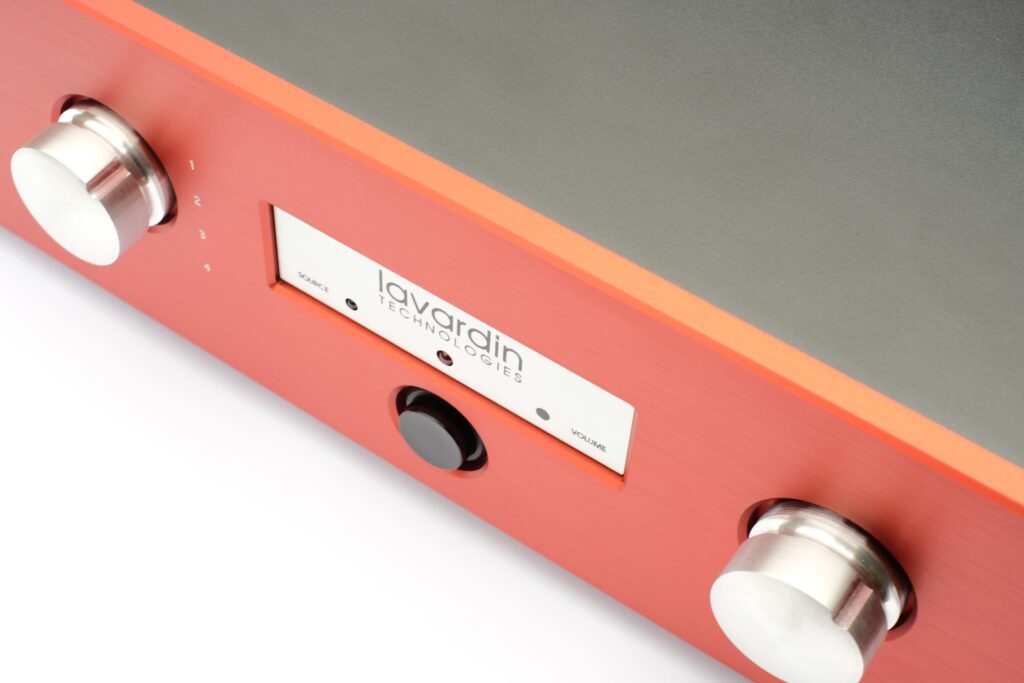
Lavardin is a small French amplifier company that had a hit with its Model IT integrated amp a couple of decades ago and followed that some years later with the ITx… and the ITx 20 is the spiffy version of the latter that celebrates the former. The ITx 20 receives a series of upgrades to the circuit design and power supply over the ITx. But unlike almost every other company you could mention, this isn’t a ‘beefing up’ process; the ITx 20 retains the same 55W per channel power output and same four inputs of the ITx, which remains on the order books. They even look very similar from the outside. So similar, in fact, that only the back panel gives a clue to whether you are using an ITx or an ITx 20. So why is the standard ITx £6,900 and the ITx 20 £11,500? And why, if you were comparing the two side-by-side, would you immediately opt for the ITx 20?

As the name suggests, the ITx 20 is a celebration of 20 years of that original Model IT integrated amplifier. The Model IT was a quiet revolution in audio, due to it being the platform that gave us Lavardin’s ‘Memory Free’ technology. Lavardin suggests it has found a form of solid-state distortion it calls ‘memory distortion’; most measurement of audio amplifiers is performed using either an impulse or a steady-state waveform like a sine wave, but – argues Lavardin – this completely ignores real-world conditions, where music happens.


The Time Element

By not factoring in the time element in measurement and subsequently amplifier design, audio electronics can sound shrill and mechanical due to distortion due to prior electron flow patterns in silicon. This also suggests why people like the sound of valve designs because the electron flow is through a vacuum and therefore not subject to this ‘memory distortion’. By developing a solid-state circuit that compensates for and reduces this memory effect, the result is an amplifier with all the objective benefits of solid-state designs with the vivid, direct, less brash and more silky qualities normally the preserve of single-ended triode designs. Naturally, these are both proprietary technologies and the controversial nature of those ‘memory effect’ claims makes ‘Memory Free’ technology unique to Lavardin despite its suggestion that this is the biggest revelation in audio amplifier design in decades. However, Lavardin is also remarkably secretive about its circuit design, so it seems unlikely that we’ll see licensed versions of ‘Memory Free’ circuits elsewhere, and even extracting what’s changed between ITx and ITx 20 gets the ‘gnomic’ treatment. The changes are to the circuit and the power supply… what more do you need to know?

Lavadin ITx20

Think of it this way, the ITx 20 is effectively a ‘blueprinted’ version of the ITx; a no-compromise version of an amplifier already not big on compromise. Blueprinting is a way of race-tuning a car engine by building it to the exact design specifications and not the ‘wiggle room’ introduced to get a car on the road; it’s not simply double-checking the specifications. Blueprinting is popular with car companies competing in touring car and World Rally Car championships and was especially popular in the 1950s-1970s, when seemingly stock cars like Mini Coopers were capable of (at the time) insane performance due to incredibly carefully built engines. The changes between the ITx and ITx 20 are like the differences between driving a Mini Cooper S along the King’s Road in Swinging Sixties London, and Timo Mäkinen driving a Mini Cooper S to win the 1965 Monte Carlo Rally.

Given the sophisticated nature of the Memory Free technology deployed within both the ITx and ITx 20, that careful selection of components and power supply make a huge difference in the quality of the performance of the amplifier in ways that functionally define Lavardin’s sound.

Redefining terms

Lavardin amplifiers generally sound warm, smooth, and natural. This is no exception. In fact, what it does is redefine what those terms mean for solid-state audio electronics. I’d argue that the ITx 20 is less ‘warm’ sounding than its peers, and instead even more ‘natural’ sounding. This amplifier has frequency extension and treble drive; it’s not hiding the highs and not rolled off, it just doesn’t shout these frequencies until they need to be shouted about. The overall effect is supremely satisfying and entirely un-amp like (especially un-solid-state-like).

Stereo imaging is first rate, too. This is an amplifier that presents a sound far wider than the loudspeakers and very deep. You listen into a mix and on something like the Overture to The Pirates of Penzance [D’Oyly Carte, Decca], you are in a 3D recreation of a late 1950s theatre. OK, so this is a sublime Decca recording, but the Lavardin brings out the best from that album.

The ITx 20 plays at higher volumes well, but those wanting a home PA will either partner the Lavardin with super-efficient horns or look elsewhere. Strangely that isn’t a criticism when you listen, as the ITx 20 has a calming ability that moves you away from the ear-bending end of the volume dial, no matter your choice of music. Take ‘The Grudge’ from Tool’s outstanding Lateralus [Volcano]; this is a complex piece of progressive metal and is usually played loud. While the ITx 20 can play loud too, the Lavardin has this remarkable quality of presenting all the force and intensity of the track, but does so at listening levels that allow you to peel away more of the track than you can at ‘onslaught’ levels. It doesn’t change the metal-ness of the recording but invites questions about the track that just don’t get asked at higher levels. The result is even more admiration for Tool.

The ‘memory distortion’ thing is interesting. Lavardin has a very real point here. This isn’t an amplifier that ‘times’ well; it simply does that whole temporal thing like it’s the real world, with no imposition of timing or obvious sins of admission or commission on the sound. That will sit oddly with those who go looking for a beat in a system. Staying with Tool a while longer, this is a track that truly benefits from the Lavardin approach, steering clear of the aggressively bright sound that recording can sometimes produce in a system. I think this might be one of the key parts that separates the ITx 20 from its fellow Lavardin travellers; some models that do the ‘memory distortion’ thing can sound a touch laid-back rhythmically compared to the beat-masters, but here it’s like a whole raft of electronics between you and the music just got washed away. It’s extremely musically insightful.

Upside down

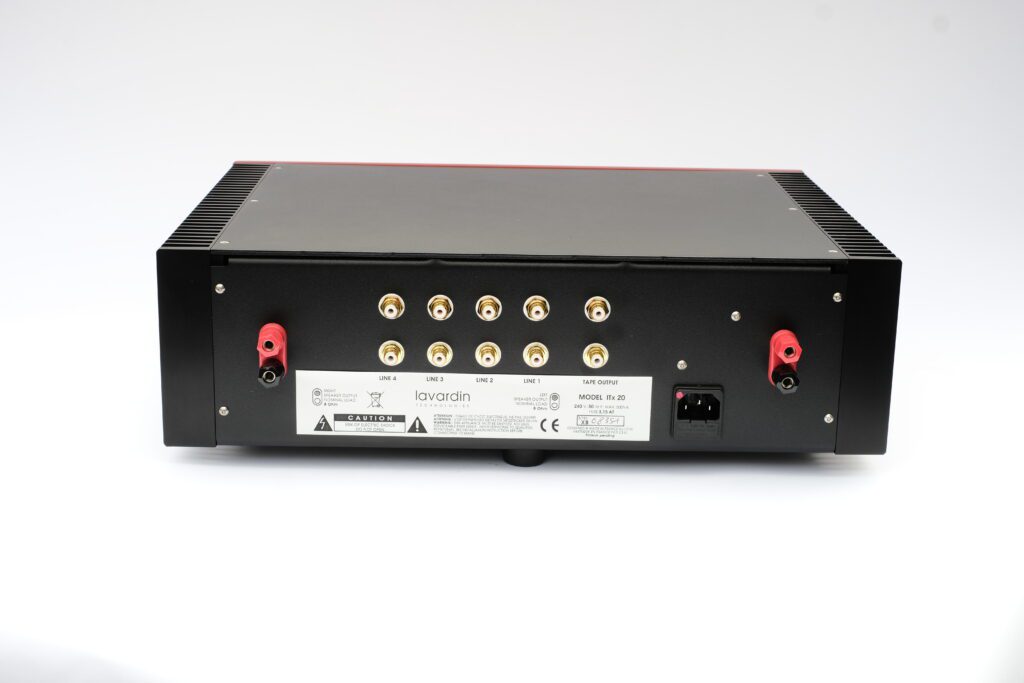
So, what are the downsides? The obvious one is the Lavardin ITx 20 is ultra-minimalist, although there are many who will see that as an ‘upside’. But having a remote control that simply raises and lowers the volume, having no balance control, home cinema pass-through, built-in DAC, and only four single-ended inputs makes for a sparse specification sheet for the money. Also, while those simple and functional loudspeaker terminals are likely there for a reason, we’re so used to beefier WBT-style connectors at this level you can’t help but notice them. The lack of clear identifier on the front panel will likely discourage those who want to show off a little, as aside from sonically and financially, the only real way you can tell the difference between the two ITx models is on the back panel… but I think if you are wanting to show off, Lavardin is probably not your first choice of amplifier anyway. This is for those who listen to a lot of music in live concerts and want to replicate that sound at home without all that brashly, bright, over-impressive zingy sound that doesn’t happen in the wild.

Lavardin ITx20 rear panel

Those who evaluate amplifiers like it’s a game of Top Trumps will never ‘grok’ Lavardin because a 55W, four-input amplifier that doesn’t even have a balance control doesn’t hit their spec buttons, and the presence of notionally the same product for thousands less will send them apoplectic. On the other hand, if you listen to the Lavardin ITx there is nothing remotely close to what it does… and the ITx 20 does it a lot better. If you want a valve amplifier but don’t want valves, listen to the Lavardin ITx. And if you like the ITx, only listen to the ITx 20 if you have that kind of money to hand. Because you just might not be satisfied with anything else.

Technical specifications

  • Type Two channel solid-state integrated amplifier
  • Inputs 4x RCA stereo single-ended pairs
  • Output 1x RCA stereo single-ended pair tape output, loudspeaker terminals
  • Input selection sealed relay, gold, silver and palladium alloy contacts
  • Power output 2× 55W into 8Ω
  • Output impedance Nominal 8Ω
  • Harmonic Distortion 0.001% @ maximum output
  • Finish Black or Red front panel
  • Dimensions (W×H×D) 43 × 34 × 13.5cm
  • Weight 12kg
  • Price £11,500

Manufacturer

Lavardin

lavardin.com

UK Distributor

Midland Audio Xchange

midlandaudiox-change.co.uk  

+44(0)1562 731100


Back to Reviews

Burson Soloist 3X GT

The personal corner of the audio market is abuzz as vendors compete to out-do each other in the measurement stakes. Some of the latest personal audio amplifiers, many from China, almost defy electro-physics with distortion artefacts that are not just inaudible, but a challenge to detect with even the most sensitive of test gear. They also defy commercial convention with prices as low as £500-£600. Yes. If we believe that measurements tell us everything we need to know about how an amplifier will sound, that really is all we need to spend.

Burson from Australia has long been the exception to that rule and its new Soloist 3X GT combined personal audio amplifier and line stage is an intriguing product because the Soloist 3X GT doesn’t exactly push the measurements envelope. And neither does it cost £500 or £600. More like £2,500.

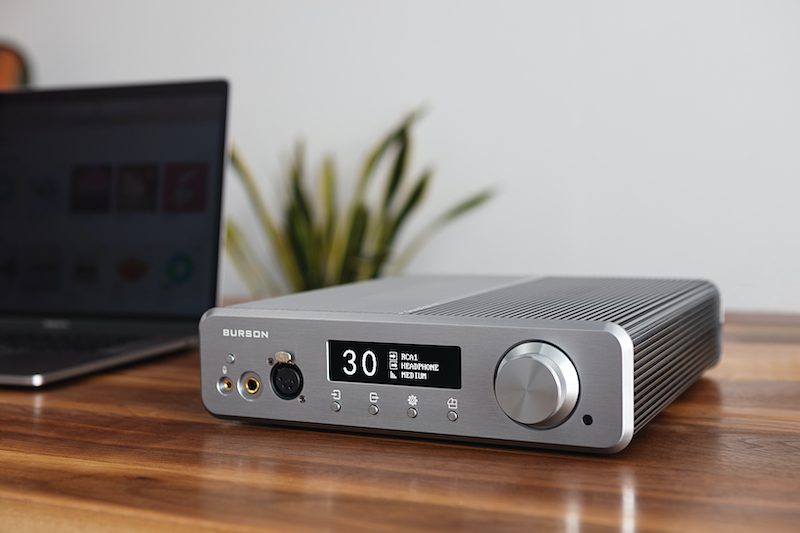
Burson Soloist 3XGT

Burson made a name for itself by designing and manufacturing op-amps for studio and OEM applications. The latest generation of Burson op-amps, such as the flagship V6 Vivid, are notable for being built with discrete components rather than being on-chip devices. Alongside, Burson has developed its own range of finished amplifiers and DACs, currently starting with the £544 Funk Class AB speaker/headphone amplifier and topping out cost-wise with the Soloist 3X GT.

Pure Class A

The Soloist 3X GT is a pure Class A design. It has a claimed +/-1 dB bandwidth of DC to 48 kHz. Burson provides no figures for channel phase balance. THD into headphones is quoted as 0.0015% and SNR as 112 dB into 16 Ohms; not class leading, but not shabby either.

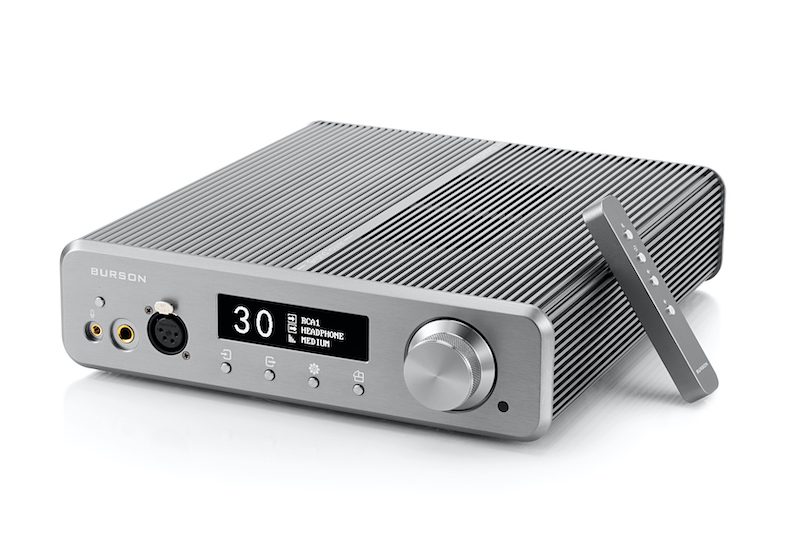
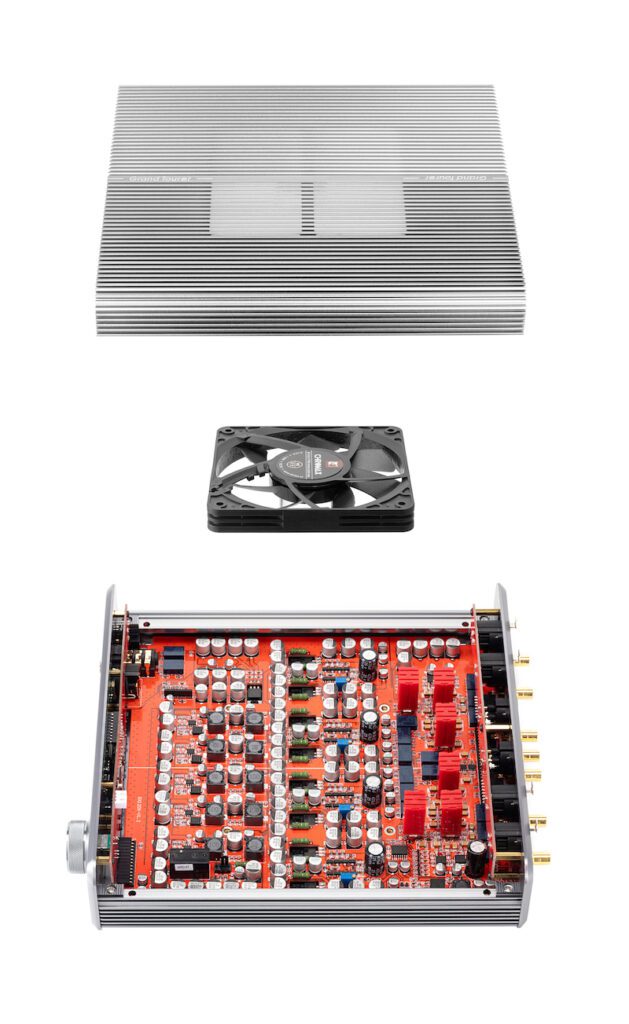
Burson’s design aesthetic is impossible to mistake for that of any other audio manufacturer. From the diminutive Funk upwards, the company’s finished products have ribbed aluminium cases with front and back plates of smooth aluminium, all electro-plated in the same light grey. The design is an efficient heat radiator in its own right, and so it tells us something that the Soloist 3X GT has an internal cooling fan. It needs one because it draws 90 Watts even when idle, and that translates into grunt, at least in headphone amplifier terms, with a capital G. The output of 10 Watts per channel into a 16 Ohm XLR load and 640 mW into 600 Ohms is more than twice that of some of its competitors. Output halves if the single-ended TRS socket is used.

Burson Soloist 3X GT

The review sample was left running for four weeks constantly. From a distance of a foot or so, the fan was audible between tracks when using an open-back headphone, but at greater distances the whirr disappeared into the nominal 31 dBA background level of the listening room. The fan is a standard low-noise computer device, widely available, so replacements should not be a problem.

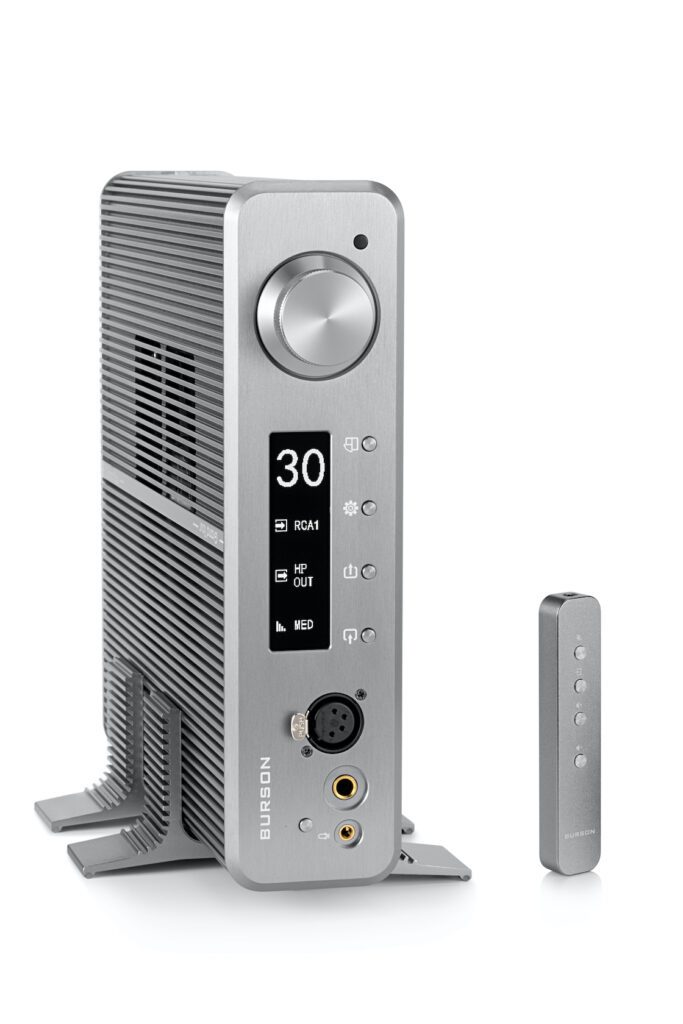
The Soloist 3X GT’s internal switching power supply is fed by a wall-wart and operates at 170 kHz. Also inside the distinctive case are a pair of symmetrical mono amplifiers, each using three V6 Vivid op-amps. Gain is governed by two high-end volume control chips. On the back panel are XLR and RCA inputs, XLR and RCA outputs, plus a RCA sub-out that can be used for both headphone and line stage outputs. There are also three 12V trigger sockets and a microphone by-pass socket. On the front a dimmable white OLED display shows the gain selected by the rotary control, while buttons give access to input and output configuration, display orientation and a menu of options including line-stage balance, three levels of gain and three levels of crossfeed.

Flagship challenge

I used a LCD-5 headphone for most of the listening sessions. Audeze’s latest flagship planar model presents a load of 14 Ohms with a claimed efficiency of 90 dB. Even on its lowest gain setting the Soloist 3X GT comfortably drove the LCD-5, requiring a volume setting of 79 from a maximum of 100 to achieve more than loud enough sound pressure levels. On the highest gain setting a similar subjective volume was achieved with the control set to just 14. With no signal on the input, even on its highest setting and with the volume wound up to maximum, the review sample was silent into the Audeze LCD-5 and a Sennheiser HD650. It is safe to assume that with this level of sophistication, and an output impedance of 0.5 Ohms, it would likely be a good match for sensitive in‑ear-monitors too.

Burson’s designers have declined to just focus on stats but instead also paid attention to the key musical qualities of dynamic agility, dynamic expression, tonal density and timing. The payback for this approach is apparent within seconds of pressing the play button on the first quality recording of acoustic material. Teamed with the Audeze LCD-5, the Soloist 3X GT rendered the drum beats in the intro to the opening track of the Tingvall Trio’s 2017 album Cirklar [Skip] with a distinctly high-end and satisfying sense of texture to the skin tension and shell resonances.

Burson Soloist-3XGT-Cool-Stand

For much of the second track on the same album, double bass player Omar Rodriguez Calvo mirrors the melody that pianist Martin Tingvall plays with his left hand. In the last 12 months I’ve heard several headphone amplifiers that boasted absolutely stellar measurements… yet rendered the two layers as a homogenised, untextured and sterile sound.

In contrast, the 3X GT made it possible not only to hear each player’s subtle timing variations but also to discern the distinct tonal and percussive characters of their instruments. If we are wondering how the Burson might be worth five times the price of a £500 amplifier that measurers perfectly, then maybe there’s our answer. Or at least part of it. Because the Soloist 3X GT demonstrated too, on the same track and in the span of a handful of bars, that it is more than simply a detail machine. Several times Calvo pops out from under Tingvall’s left hand to play a dazzling fill before diving back under again to resume doubling on the main figure. Here, the Burson showed class-leading levels of both dynamic agility and dynamic expression, making listeners jump in surprise at the weight, power and texture of Calvo’s double-bass. In the intro of the same track, the Bonham-esque polyrhythmic pattern played by drummer Jürgen Spiegel was accurately nailed with speed and exemplary timing.

Philip Glass Philip Glass Glass Glass Glass Philip

The Atlanta Symphony Orchestra and Chorus under Robert Shaw playing Philip Glass’s Itaipu [Sony] is a reference recording of a towering, majestic work. Shaw makes full use of the impressive resources to hand, and the huge dynamic range and raw power of the performance poses a stern test of the entire audio chain, sometimes sending weak components into spasms of intermodulation, dynamic compression and flattened sound-staging. The Soloist 3X GT driving the Audeze LCD-5 headphone did not break a sweat.

I have to confess to being caught out. During a quiet passage and marvelling at the amplifier’s ability to throw perhaps the best sound stage available at or near the price, I was lured into winding the gain control ever upwards. So deep in concentration was I that I had temporarily lost my bearings in the piece, forgetting that a few bars on Shaw asks the orchestra and chorus for full throttle. When it came, the massive dynamic peak had me lunging in desperate self-preservation for the pause button on the CD transport, but not before registering that while the volume was painfully loud, the Burson had not lost its impressive level of composure.

Burson Soloist 3X GT

Complaints? I have but two. Why is there no way to turn off the display? Much headphone listening happens at night. Do we really want the womb-like hygge of our listening room ruined by penetrating OLED white? And why offer a balance function only on the line output? Few people have symmetrical hearing. But in every other respect the Burson Soloist 3X GT is an impressive package. Its neutral, natural, expansive and dynamically expressive abilities, coupled to that class-leading level of spatial resolution, makes it a serious contender for our money, putting it in a similar bracket to the Sparkos Labs Aries and the Benchmark HPA4, two notably high-achieving alternatives.

The Burson Soloist 3X GT is proof indeed, if proof were needed, that measurements do not always tell the whole story.

TECHNICAL SPECIFICATIONS

  • Type: Class A dual mono headphone amplifier and line stage preamplifier
  • Inputs: 2× RCA stereo pair, 2xXLR stereo pair
  • Headphone outputs: 3.5mm stereo jack, 6.3mm stereo jack, four-pin XLR balanced
  • Outputs: 1× RCA stereo pair, 1× XLR stereo pair, 1× RCA subwoofer output
  • Headphone power: 10Wpc (XLR) and 5Wpc (single‑ended)
  • Gain levels: Three, matching headphones from 60db to 108db sensitivity
  • Volume control: 2 X MUSES72320 + V6 Burson Vivid op‑amp discrete buffer
  • Features: Speaker soundstage centring, three levels of hardware-based headphone crossfeed
  • Dimensions: 25.5 × 27 × 7cm
  • Weight: 5kg
  • Price: £2,499

Manufacturer:

Burson Audio

URL: bursonaudio.com

UK Retailers

Hifonix: hifonix.co.uk

Tel: +44(0)121 382 5444

HiFiHeadphones: hifiheadphones.co.uk

Tel: +44(0)1903 768910

Back to Reviews

PSB Alpha IQ: A truly wireless stereo system?

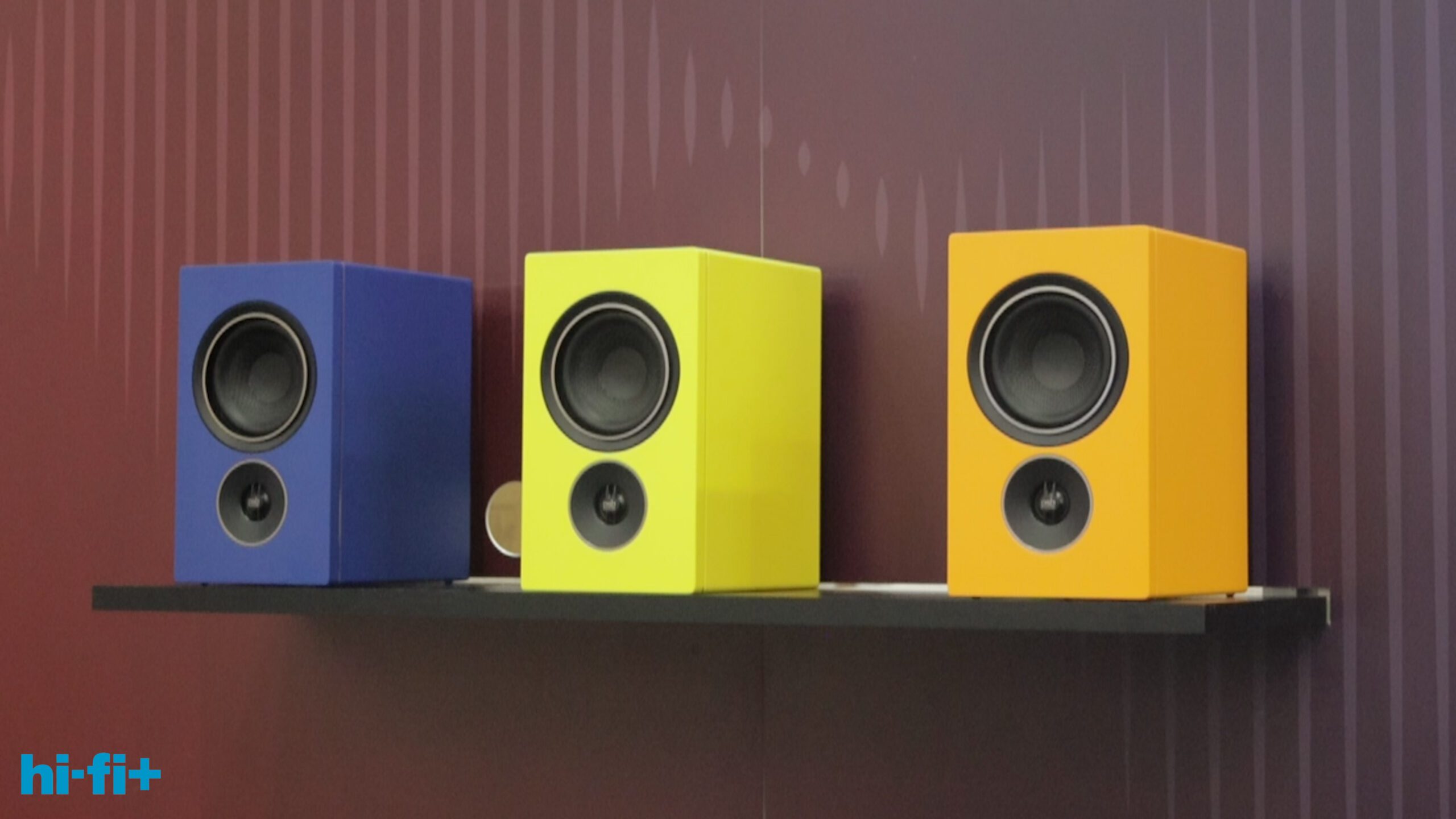
PSB Alpha IQ, which are yet to be released to the public, were displayed at CEDIA Expo in Dallas this past weekend.

The Alpha IQ is part of the BluOS, which can connect more than 70 different products on the same app.

For more information, click here.

You can see this video and more on the Hi-Fi+ YouTube Channel, such as Tea Time with Alan and Pete.

Hi-Fi+ Editor Alan Sircom and Publisher Pete Collingwood-Trewin talk about what’s happening in the high-end audio world.

Tea Time with Alan and Pete is just one of several new series on the Hi-Fi+ YouTube channel designed for audiophiles of all levels.

Another series is History of Audio, which aims to teach viewers a little about the History of Audio, which might be a trip down memory lane for many. It also hopes those who watch will learn from the varying experiences of other audiophiles through their trials and tribulations with different equipment.

While you’re on our YouTube channel, be sure to check out our Audio Basics series. So far, this series has covered what makes a great stereo system and how to find a great stereo system.

Soon, you can find reports from manufacturers at audio shows from around the world. You can see the likes of Aurender, Focal Naim, AudioThesis, Schiit Audio, and Magnepan, just to name a few. Right now, you can see what debuted at AXPONA 2022 and a bit from the Texas Audio Roundup, including background on the Magnepan LRS+. You can also see videos from Pacific Audio Fest in Seattle, and soon you can catch videos from CEDIA 2022 in Dallas.

You can also see additional product reviews as well as more from CEDIA Expo 2022 in Dallas on the hi-fi+ YouTube channel coming soon.

Be sure to subscribe to the YouTube channel so you don’t miss any episodes!

Click to go back to homepage.
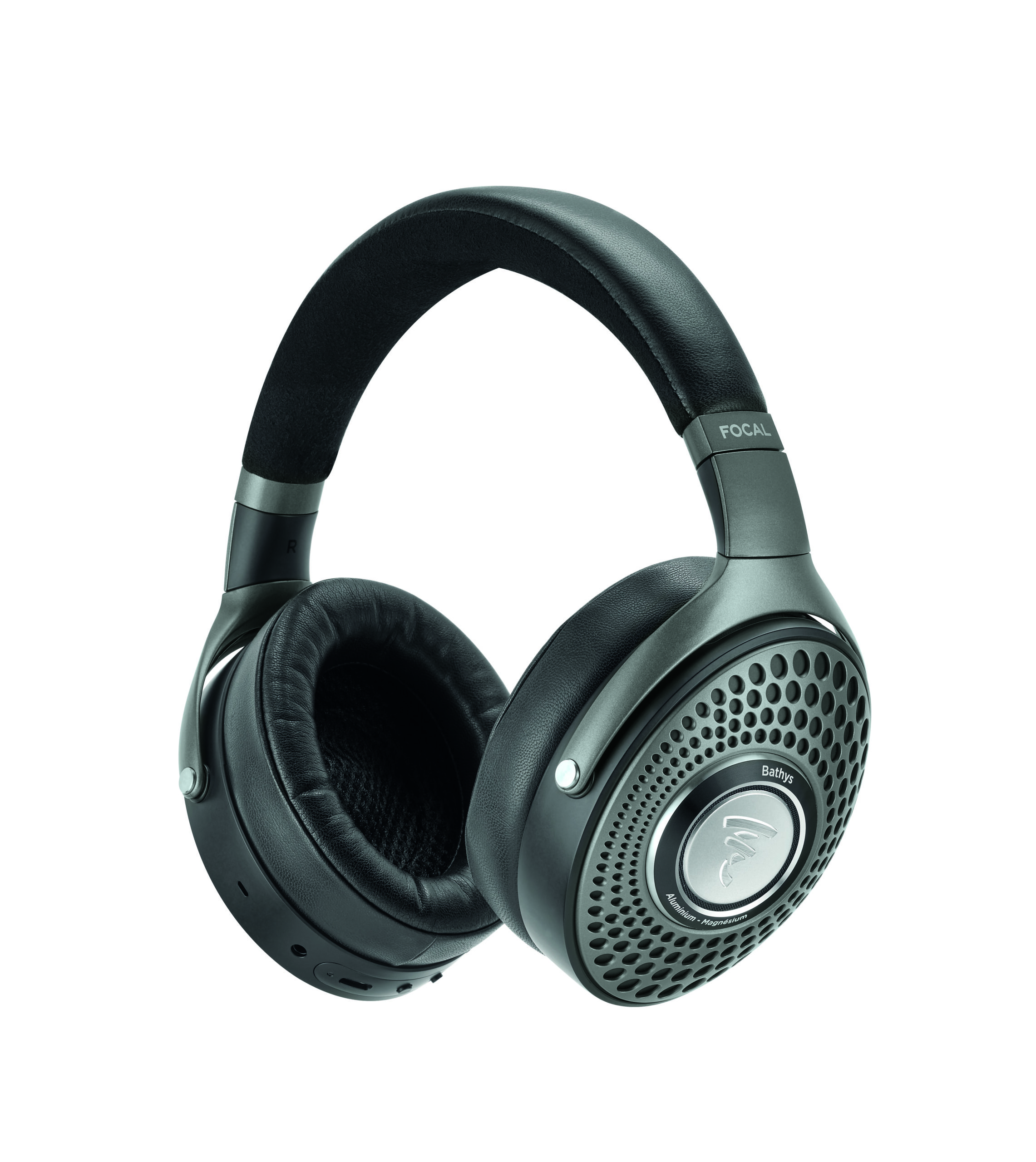
Focal Bathys unveils its first-ever Hi-Fi Bluetooth®and ANC headphones

Focal Bathys wireless headphones offer a detailed, precise and dynamic sound

*From the Focal news release

4 October 2022 – Focal presents Bathys, its first wireless headphones with Active noise cancellation. Benefiting from the brand’s savoir-faire in sound and high-end headphones prowess, Bathys delivers a pure hi-fi sound, via 5.1 Bluetooth® multipoint or wired connection thanks to its USB-DAC mode. The headphones boast Focal speaker drivers made in France, high-performance noise cancelling tech-nology, over 30 hours of battery life, high-grade materials and a number of attractive features: Bathys is the new must-have Bluetooth® headphone set to enhance all your travels.

HIGH-FIDELITY SOUND & MULTIPLE FEATURES

Bathys offers a detailed, precise and dynamic sound, showcasing the high-fidelity sound responsible for Focal’s reputation for over 40 years, both in France and worldwide.

It offers two noise-cancelling modes for a total escape into your music: a “Silent” mode optimised for journeys with high background noise (planes, trains, etc.) and a “Soft” mode to help with focus at home, in the office, etc. It also features a “Transparency” mode that allows you to hear sounds around you when needed.

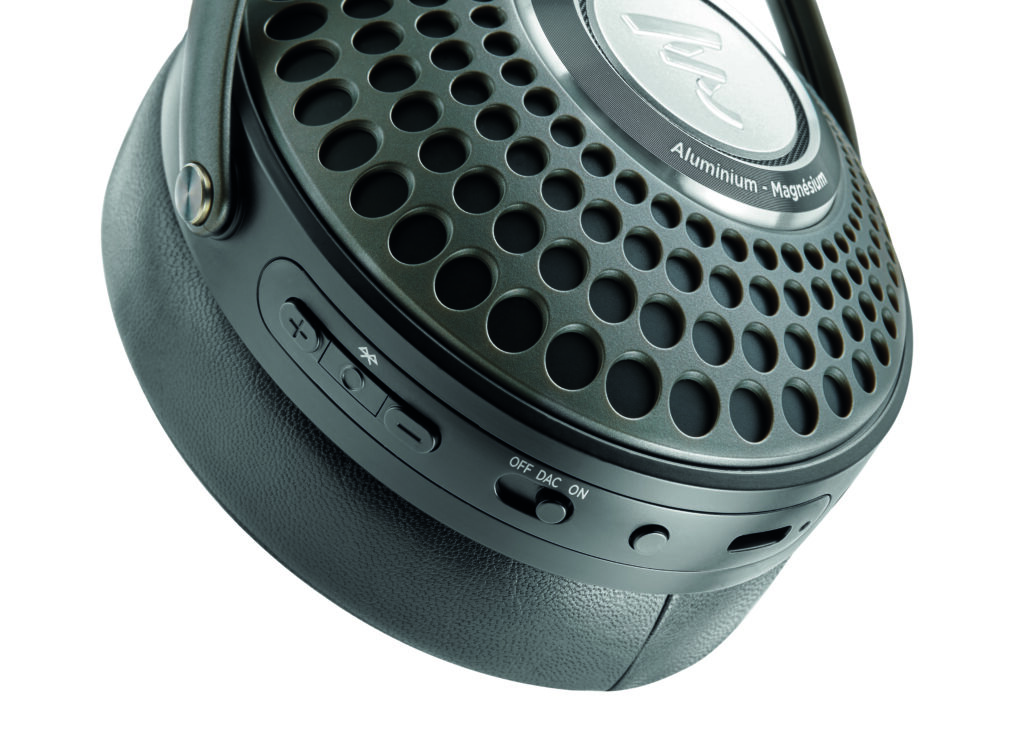
Easily accessible control buttons and Amazon Alexa and Google Assistant voice assistants are provided for effortless use. It also has an adjustable EQ to customise the sound. The voice assistants, EQ and other settings are available in the dedicated app developed by Focal.

Compatible with SBC, AAC, Apt-X™ and Apt-X™ Adaptive codecs, Bathys provides an extensive choice of connectivity modes (Bluetooth®, Jack, USB). It also has a Clear Voice Capture microphone technology for crystal clear telephone conversations.

In terms of battery life, Bathys offers over 30 hours of use, with its fast-charging function giving you 5 extra listening hours in just 15 minutes. Finally, two cables (4ft (1.2m) 3.5mm Jack and 4ft (1.2m) USB-C®) are supplied with the headphones for optimal wired listening to suit all users.

focal bathys closeup

MADE IN FRANCE SPEAKER DRIVERS

Manufactured in Saint-Étienne at the Focal workshops, the speaker drivers inside the Bathys headphones benefit from the expertise of a brand that constantly innovates to improve its products, providing ideal solution regardless of how you want to listen.

With their Aluminium/Magnesium dome, the Bathys speaker drivers deliver a deep bass, soft trebles and a clear mid-range, for an extremely precise sound. The integrated USB-DAC mode offers a resolution of up to 24 bit / 192kHz for even more impressive performance.

A REFINED AESTHETIC SIGNATURE

The Bathys design is inherited from Focal’s open- and closed-back headphones. These ergonomic headphones combine refined materials, such as Magnesium on the yokes, real leather on the headband and Aluminium for a robust construction, resulting in outstanding comfort for any head shape. The earcup grilles reflect Focal’s distinctive headphones design code, with its highly aesthetic curves. Focal’s flame symbol features at the centre of the earcup, incorporating a white backlight system to be activated if desired, for an understated, chic visual effect. Another standout feature of Bathys is its elegant and timeless Black Silver colourway. Designed to be lighter, more compact and with superior staying power, it is the ideal travel companion. A meticulously finished carrying case is supplied with the headphones.

BATHYS: WHAT’S IN A NAME?

Bathys comes from the word ‘bathyscaphe’, the first sub-marine exploration vehicle. The embodiment of calm, depth and absolute silence, this vessel is the inspiration behind the name of these ANC headphones.

Availability: October 2022

Suggested retail price: €799/$799/£690

Read more by clicking here.

Back to homepage.
 

Edifier Stax Spirit S3: The battery lasts HOW long??

Edifier Stax Spirit S3’s battery life will keep you listening for a long time.

In this episode of Tea Time with Alan and Pete, hi-fi+ Editor Alan Sircom and Publisher Pete Collingwood-Trewin talk about the Edifier Stax Spirit S3 headphones and their incredible battery life.

For a more comprehensive review, check out the October issue of hi-fi+ magazine, or get a digital subscription by following this link.

For more information about this product, click here.

You can see this video and more on the Hi-Fi+ YouTube Channel, such as Tea Time with Alan and Pete.

Hi-Fi+ Editor Alan Sircom and Publisher Pete Collingwood-Trewin talk about what’s happening in the high-end audio world.

Tea Time with Alan and Pete is just one of several new series on the Hi-Fi+ YouTube channel designed for audiophiles of all levels.

Another series is History of Audio, which aims to teach viewers a little about the History of Audio, which might be a trip down memory lane for many. It also hopes those who watch will learn from the varying experiences of other audiophiles through their trials and tribulations with different equipment.

While you’re on our YouTube channel, be sure to check out our Audio Basics series. So far, this series has covered what makes a great stereo system and how to find a great stereo system.

Soon, you can find reports from manufacturers at audio shows from around the world. You can see the likes of Aurender, Focal Naim, AudioThesis, Schiit Audio, and Magnepan, just to name a few. Right now, you can see what debuted at AXPONA 2022 and a bit from the Texas Audio Roundup, including background on the Magnepan LRS+. You can also see videos from Pacific Audio Fest in Seattle, and soon you can catch videos from CEDIA 2022 in Dallas.

You can also see product reviews on the hi-fi+ YouTube channel coming soon.

Be sure to subscribe to the YouTube channel so you don’t miss any episodes!

Click to go back to homepage.
NuPrime Evolution DAC

Spoiled! That’s how many audio reviewers get, me included. Only last month I was putting the finishing touches on two DAC reviews of products costing in the mid £20,000s, so it could be so very easy to take an “I don’t get out of bed for less than £10,000” approach to digital audio. But if you do go down that rabbit hole, you’ll miss the NuPrime Evolution DAC, which is the kind of product that punches so far above its weight, it could give those more expensive DACs a damn good thrashing. Or at the very least, stand its ground.

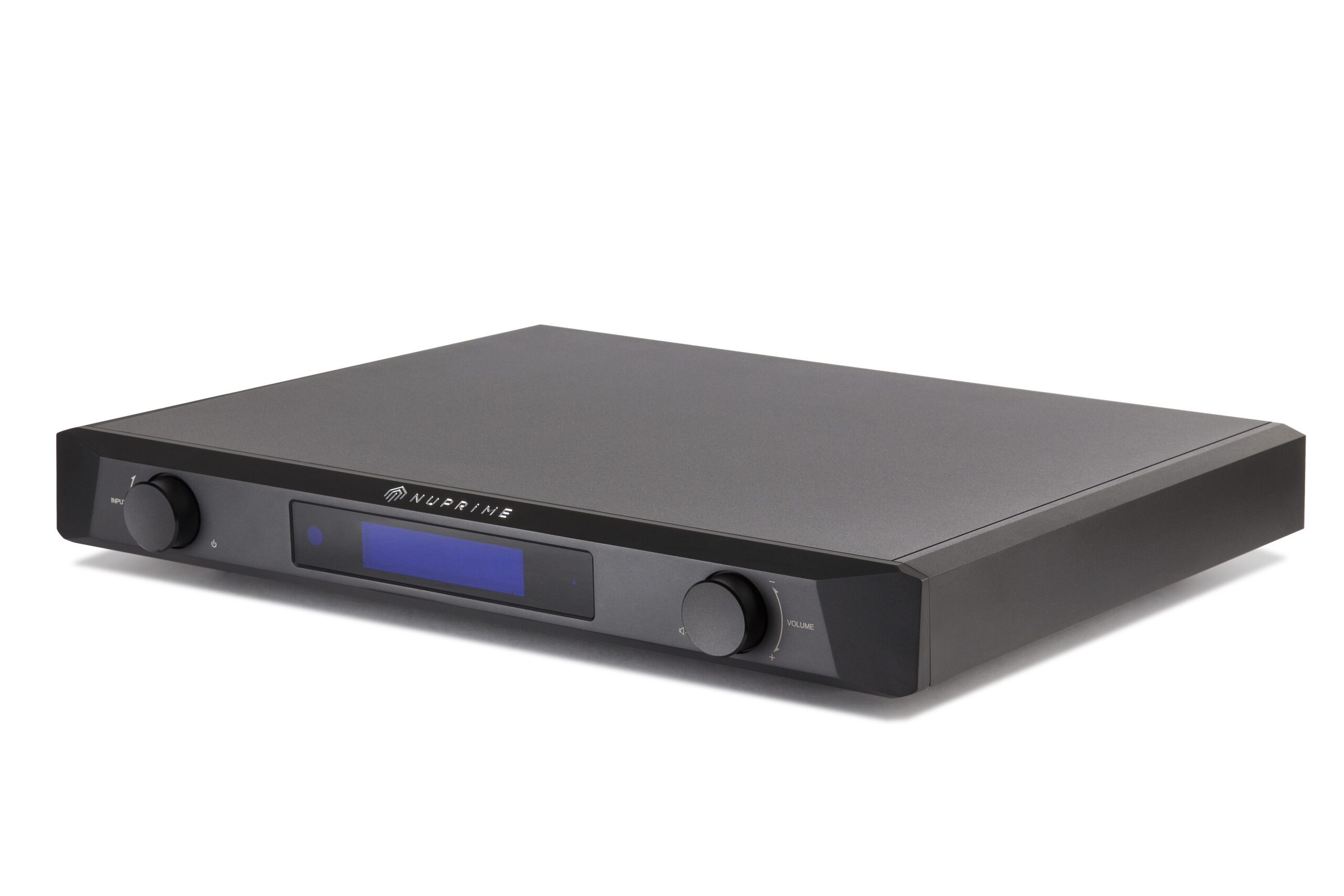
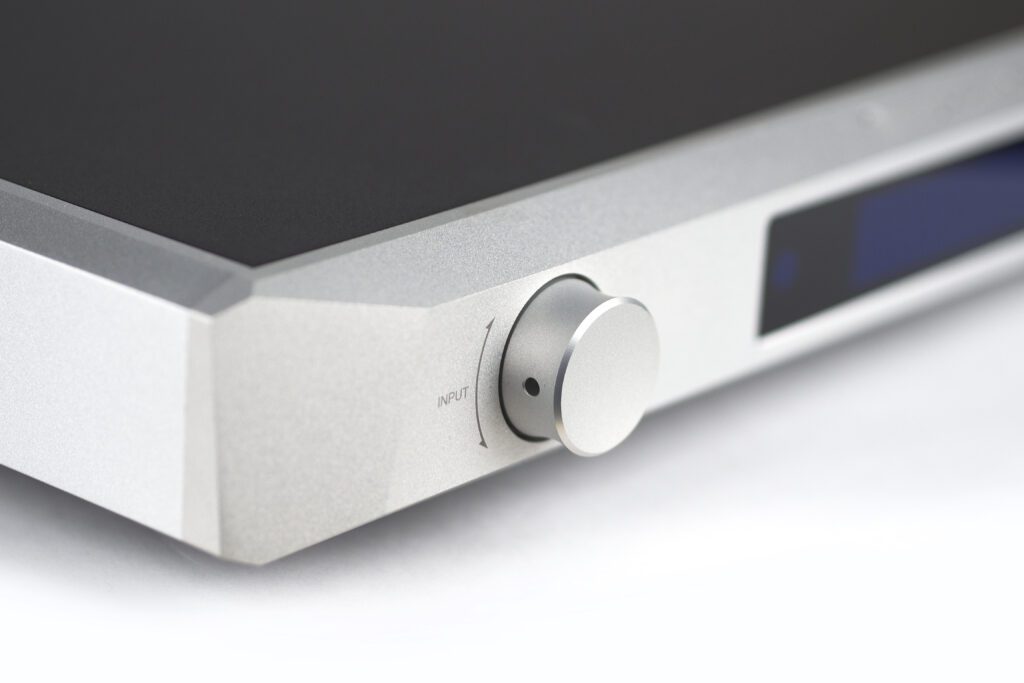
The Evolution DAC is a slim, elegant, extremely well-built DAC, with a tasteful laser-cut logo cut into the top of the chamfered edge of its thick aluminium top-plate. The controls are on the face of things simple, with one knob selecting the input as standard, the other adjusts volume if not set to full output. These also control power and mute functions and select and navigate the menu options. These options are replicated on a solid remote handset, but this has individual buttons for each function. The handset is large enough that it isn’t festooned with tiny, unintelligible functions, and yet fits well in the hand. It’s also beefy enough for hand-to-hand combat should the need arise… if someone is hogging the music server, for example.

Day-to-day

The menu and day-to-day functionality are navigated by means of the central panel, which combines a two-deck simple text display and a remote eye behind blue glass. In regular use, the top line displays input and output level, the bottom displays format and sample rate: while in menu mode the top line shows what you are adjusting, and the bottom line shows status.

NuPrime Evolution DAC

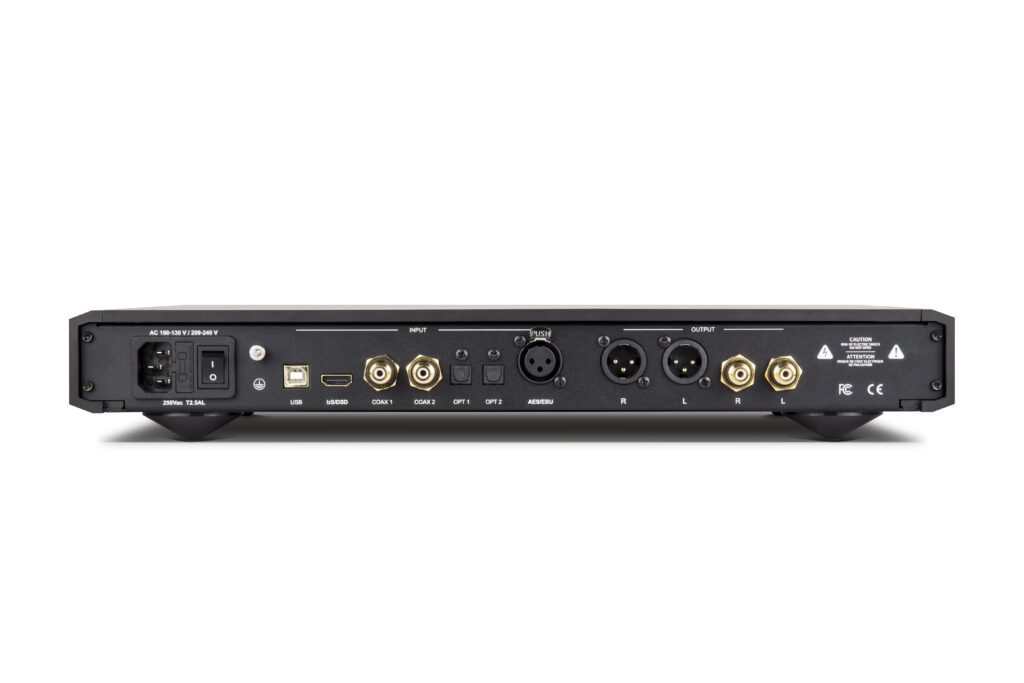
We’re so used to multi-use digital devices today, it’s nice to see a DAC that is just a DAC sometimes. The rear panel is a giveaway; the Evolution has a Type 2 USB, two coaxial and two optical S/PDIF inputs, an AES/EBU balanced input a HDMI socket for I2S-based sources. This last one is designed for NuPrime’s own digital front ends, and users of other I2S-supporting sources (PS Audio, Rockna) will need to check whether their HDMI pinning matches that of the NuPrime. Fortunately, it’s clearly marked in the manual, which is available online. As ever, high-resolution USB is available off the shelf for Mac users, while Windows 10 users must download a driver from NuPrime’s own site. Anyone using a Windows computer with an earlier version of the operating system misses out as they are unsupported. If you are still using a Windows 8 PC, there’s almost a decade of wonders to show you!

Although it’s nice to have a DAC that doesn’t have a streamer or a headphone amp thrown in, that’s not to say the DAC is inflexible. The single-ended and balanced outputs of the DAC can be used in fixed output mode, or they can be used in variable output, making the Evolution DAC a preamplifier in its own right. I would argue that to get the best from the DAC it should be used with a separate, high-quality line stage preamplifier, but using it as a DAC-meets-preamp hub is very acceptable sounding. The key to that being a fine preamplifier is it acts in the analogue domain, running from a high-performance power supply, instead of bit truncation. While ‘bit-chopping’ is now well out of its infancy and can sound good, at the present it’s often bettered by a good analogue line stage.

Taking the job seriously

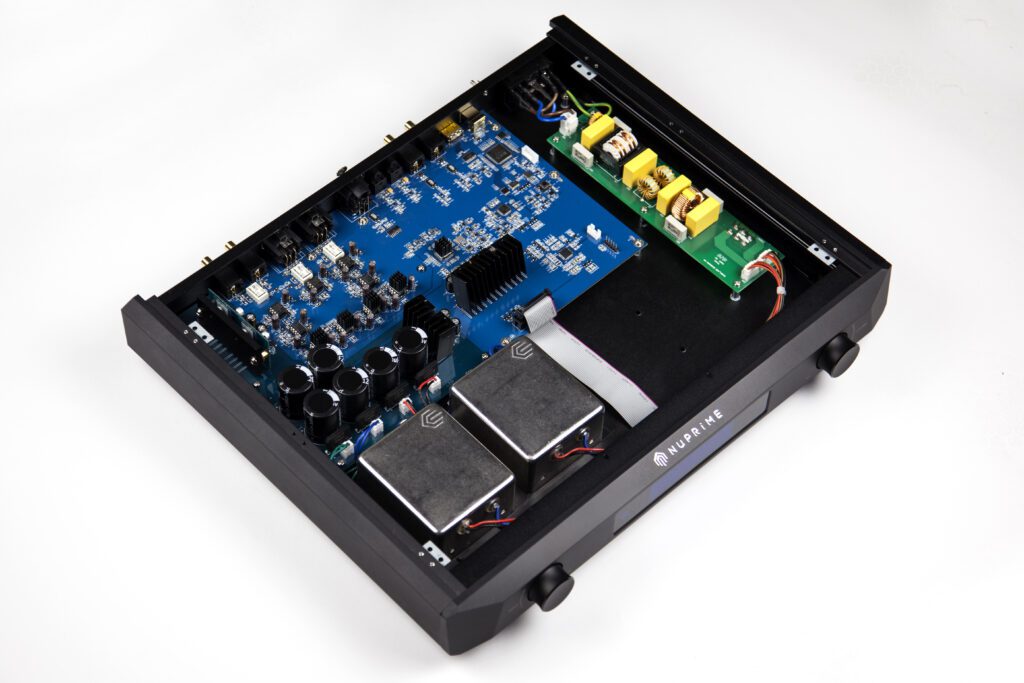
The way NuPrime handles its power feeds shows just how advanced the company is, and how seriously it takes its job. The power inlet is immediately filtered to reduce high-frequency and radio-frequency interference from the mains itself. That cleaned up power is then fed into two separate C-core transformers; one for the digital domain, the other for the analogue stages, with each being designed in part to meet the demands and requirements of that section and to maintain a degree of aloofness and isolation that would normally require multiple boxes. Make that ‘meet and comfortably exceed…’ because with a bank with nigh on 70,000µF of reservoir capacitance in the preamplifier stage, it has greater power reserves than many integrated amplifiers.

NuPrime’s beating heart is a popular choice among high-end digital brands; the 32bit ES9038PRO Sabre DAC. This is one of the highest performing ‘off the shelf’ converters currently available, but NuPrime links it to the company’s own PSRC IC chip that provids sample rate conversion (both up and down) from PCM and DSD sources. You can upconvert 44.1kHz PCM to 768kHz and DSD64 to DSD512 and can convert between PCM and DSD at your leisure. The NuPrime also supports MQA and MQA Studio files.

Drilling down into the menu system allows a wide range of adjustments, including channel and phase inversion, three output level and two brightness levels and the choice of seven different digital filter shapes (fast and slow minimum phase, fast and slow linear phase, fast apodizing, a fast hybrid filter and the standard brickwall option). I’m normally a ‘set and forget’ guy when it comes to filters, but in this case, I found the difference between formats made a big difference… I preferred the hybrid setting for lower-quality online streams and fast minimum phase for the rest. You may find a different result, but the options are easy to access. The only things missing from the menus are the ability to name inputs and possibly greater granularity in the output and brightness levels, but these last are probably splitting hairs.

Audition demanding

This is a DAC that demands audition, but demands that audition after a week or more of burning in. Listen to it cold and it sounds pretty good, but there is some dramatic transformation that happens sometime at the end of week one and the start of week two that turnes it from something good into something wonderful. During that conditioning process, things tend to oscillate between good and bad, which makes me think this might be down to that reservoir capacitance in the analogue section taking its merry time to saturate. In this respect it’s a little like a classic Naim Audio amplifier; like a Naim amp what you end up with bears little sonic resemblance to what you get mid-way through that breaking in process, and like a Naim amp it means the NuPrime is probably best left constantly powered and in standby.

There are times when as a reviewer you get a spot of ‘ennui’; having to use ‘music’ in your day job can make you less likely to play music during ‘downtime’. What resets that is something good sounding, easy to use, good sounding, not terminally expensive, good sounding, sensible, good sounding, and good sounding. It also must sound good. Well, guess what? The Evolution DAC sounds damn fantastic!

I’ve been using the NuPrime Evolution DAC as my prime converter for some weeks now. That’s ‘prime’ in two senses; both the device under test and comparison, and the thing that primes my listening, both critically and for enjoyment. In each case, it’s the degree of transparency that shines through. There’s not simply an honesty to the sound; there’s a near-total absence of ‘sound’ imposed on the music by this converter. Where this scores so highly is that it has the same ‘let the music through unsullied’ response to the humblest file formats as it does the best. OK, so the Evolution DAC will lay bare the worst examples of sample and signal compression, but what’s surprising is just how many times I played such music and found it didn’t matter… unless it was Oasis, when compression was just a good excuse not to like Oasis.

Clearly transparent

As I moved around my music, it became, er, clear this transparency applied universally; soundstaging, inner detail, soliditiy, vocal articulation, dynamics… everything. Music always sounds fliud and never boring, even on recordings I thought a bit ‘meh!’ New albums like Ludovico Einaudi’s Underwater [Decca] sound like old friends, while those that are old friends [Ed Bickert’s Out of the Past on Sackville] are heard and enjoyed anew, without any of the digital ‘baggage’ than normally comes with those recordings.

NuPrime Evolution DAC

The NuPrime Evolution DAC came as a surprise to me, it costs less than the power cord a top-class DAC might use but goes toe-to-toe with the best of them. If you aren’t obsessed by superannuated electronics wizards that have been making audio devices since the fall of the Roman empire or fixated on having a price tag that wouldn’t look out of place on a private jet, the NuPrime Evolution DAC is the one to beat.

TECHNICAL SPECIFICATIONS

  • Type: DAC/digital preamplifier
  • Inputs: USB, HDMI (for I2S), coaxial RCA (x2), Toslink (x2), AES/EBU
  • Outputs: RCA stereo pair (single-ended), XLR stereo pair (balanced), fixed or variable output
  • Frequency response: 20 Hz–20 KHz / ±0.3 dB. SNR: >110 dB
  • THD+N: < 0.0003%
  • Dimensions (W×H×D): 43 × 5.5 × 31.5cm
  • Weight: 5.2Kg
  • Price: £2,950

Manufacturer:

NuPrime

URL: nuprimeaudio.com

UK Distributor:

ADMM (Audiophile Digital Music Masters Ltd)

URL: audiophiledigital.co.uk

Tel: +44(0)1252 784525

Read more NuPrime reviews here

Back to Reviews

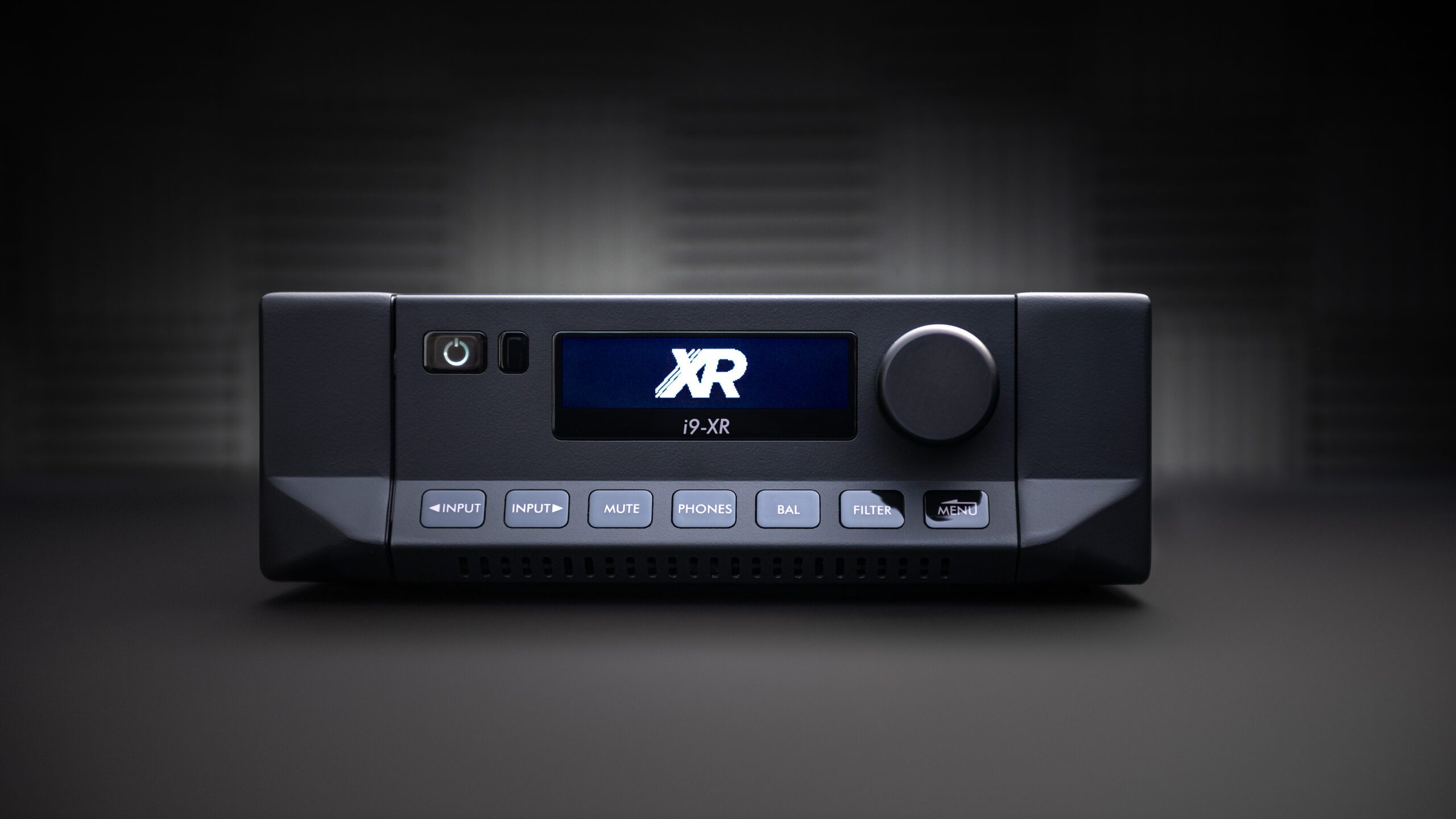
Cyrus i9-XR

Just as you’re unlikely to mistake a Vivienne Westwood design for anyone else’s work, it seems doubtful you’d ever confuse a Cyrus product with any other brand’s output. Even if it didn’t realise it at the time, the company has been all over the ‘lifestyle’ market since the off, thanks to the distinctive half-width chassis into which it’s squeezed pretty much every product that isn’t a loudspeaker since 1984’s ‘One’ amplifier.

Demands on and expectations of the integrated stereo amplifier have increased more than somewhat in the four decades since the ‘One’ established Cyrus as a bright young thing of British hi-fi, of course. Which brings us, far from coincidentally, to this: the Cyrus i9-XR integrated stereo amplifier.

Start from scratch

At a glance you wouldn’t know it, but with its new ‘XR’ range of electronics Cyrus has pretty much started from scratch. Yes, it looks only and always like a Cyrus product – but the i9-XR features plenty of fresh engineering as well as some ergonomic upgrades, all intended to bring Cyrus into line with some (arguably) higher-profile rivals.

The real headline (as far as real-world consumers are concerned, at least) is the appearance of five digital inputs (two S/PDIF via RCA, two optical via Toslink, and one USB input, all leading to the second generation of Cyrus’ QXR DAC) alongside four line-level analogue inputs and a moving-magnet phono input. The USB-B is capable of handling digital audio files up to 32bit/384kHz and DSD up to 512, while the other four digital inputs are useful up to 24bit/192kHz. So high-resolution digital audio is just as firmly on the menu as is the analogue equivalent.

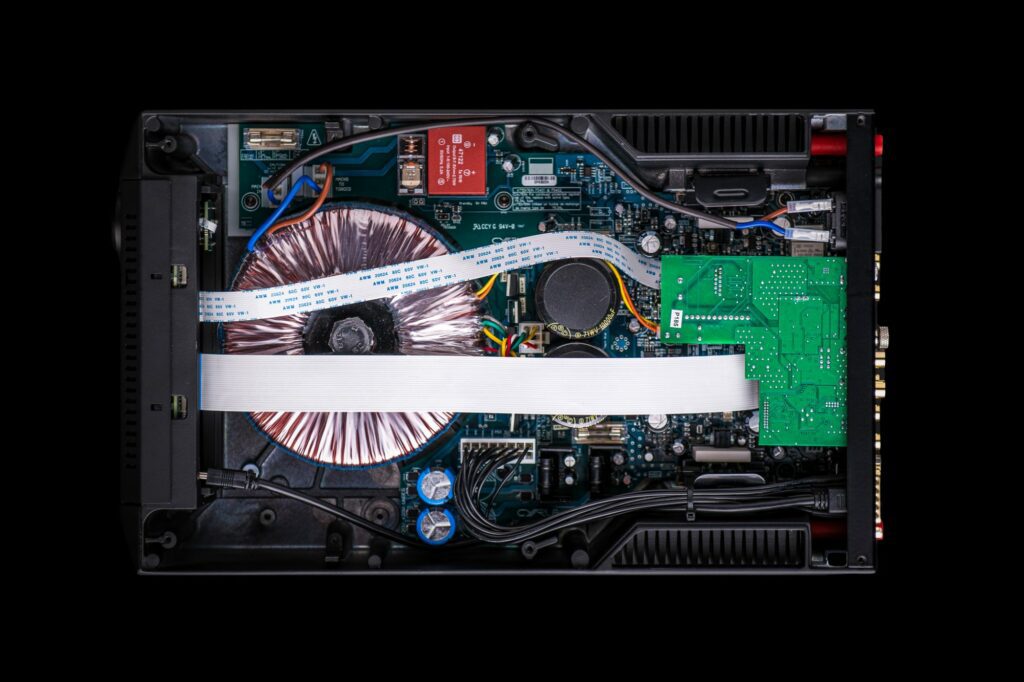
Cyrus i9 XR internal

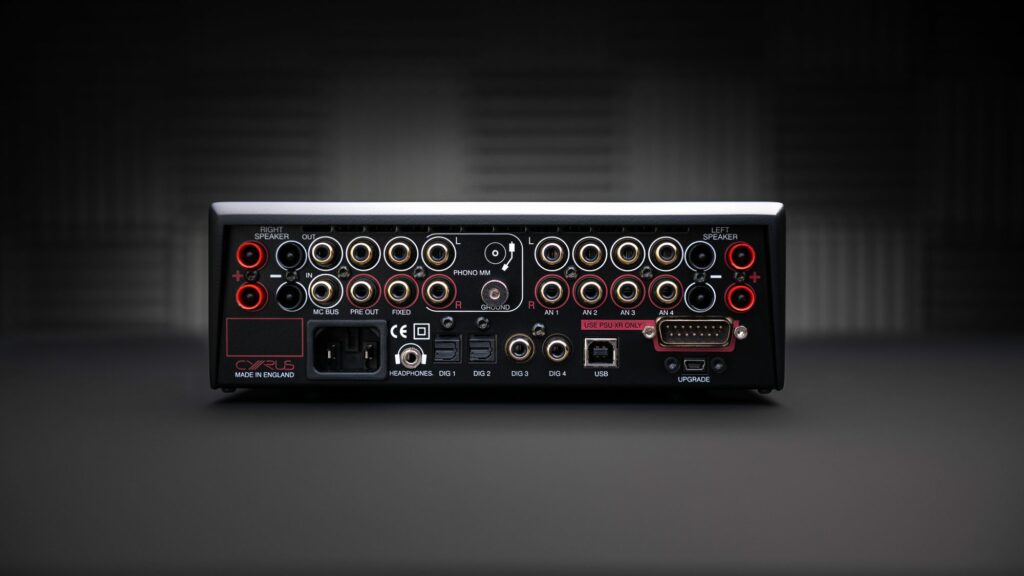
As well as these nine inputs, the (unsurprisingly crowded) rear panel also hosts connections for two pairs of speakers, two pairs of RCA stereo outputs (one in case you wish to deploy a power amp, the other for use with a recording device) and for Cyrus’ eminently capable PSU-XR power supply. Then there’s MC-Bus in/out connections, in case you’d like to daisy-chain your Cyrus equipment together so that it all functions via one remote control (the i9-XR is supplied with the iR14 full-system remote control that’s this close to being coherent – a big step on for the brand) and, of course, a socket for mains power. And in a move that’s almost the exact opposite of ergonomic good sense, the rear panel is also where you find a 3.5mm headphone output.

I’m speculating here, but if you run cables to all nine inputs, both pairs of speaker terminals, a PSU-XR power supply, a recording device and a pair of headphones, you’ll probably need to weigh the front of your i9-XR down to keep it flat on the shelf.

Twist and Push

At the front of the little box, meanwhile, there’s a monochrome display that’s strongly dependent on being viewed on-axis. In conjunction with a positive-feeling twist-and-push control dial, where you select volume level and so on. It also allows access to seven different digital filter alignments that can alter the way the digital inputs sound. There are a smattering of physical controls here, too – ‘power on/off’, ‘input selection’ and what-have-you. They’re both touch-sensitive and responsive – neither of which could be said about the physical controls on previous Cyrus amplifiers.

On the inside, things have similarly advanced. There’s a new high-speed analogue buffer at the DAC input stage. The analogue pre-amp is a short-path design featuring relay input selection and an overspecified gain stage derived from the new Pre-XR preamplifier. The power amplification section (which generates either 89 or 91 watts of power per channel, depending on which bit of the Cyrus literature you read) is responsive beyond 100kHz – ample dynamic headroom and basically flat frequency response are the aims here.

All of which looks impressive – laudable, even – when written down. But get some music playing (the i9-XR is attached to an Apple MacBook Air via its USB-B input, a Cyrus CDt-XR using an Atlas Voyager digital coaxial cable and a Clearaudio Concept turntable using a pair of QED Reference Audio Evolution analogue interconnects, and then to a pair of Acoustic Energy AE1 Reference Series mkIII loudspeakers on Atacama Moseco 6 stands using QED XT-400 speaker cable) and it quickly becomes apparent that not everything has changed in Cyrus-land.

With a CD-borne copy of Pharoah Sanders’ Thembi [Impulse!] delivered to the i9-XR digitally, the resulting sound is not simply Cyrus-like; it’s unmistakably Cyrus-y. Anyone with a passing acquaintance with the brand at any point in its history will be primed to expect a lean, detailed sound – and the alacrity with which the i9-XR serves up the recording is definitive in its Cyrus-ness. It’s the antithesis of ‘meaty’ sounding but that doesn’t mean the i9-XR is in any way short of punch or low-end presence. It’s just that it draws such straight edges at the attack and decay of individual bass notes, allowing absolutely no overhang, that its speed and momentum might initially be confused with a lack of substance. Dialling through the available filter options delivers some very mild changes in emphasis (‘steep/linear’, gentle/linear’ and ‘brick wall’ are probably the most overt in their influence on the sound you hear), but I doubt the digital filter has been invented that can make a Cyrus amplifier sound anything but the audio equivalent of a well-trained greyhound.

Switching to a vinyl copy of PJ Harvey’s To Bring You My Love [Island] only makes the point more forcefully. If it’s rapidity you want, along with great big fistfuls of detail and the sort of deep-breathing dynamic ability that can make the harmonic variations in an analogue keyboard just as apparent as the switch from ‘whisper’ to ‘scream’, the i9-XR could be just the ticket. Its ability to pick apart a recording in order to make every individual strand available for inspection, without in any way affecting its unity or sense of performance, is rare at any price.

Throughout the frequency range, nothing is overstated and nothing is under-represented. Tonality is equally well-judged – the line between ‘crisp’ and ‘hard’ where treble sounds are concerned can often be wafer-thin, but the i9-XR treads it confidently. And in the midrange, Polly Jean’s voice is eloquent, characterful and explicit in its motivations – so when she piles on the malevolence (as she is never far from doing on this album) it can provoke an involuntary physical response.

Thrilling

A FLAC file of serpentwithfeet’s Bless Ur Heart [Secretly Canadian] proves further vindication of the decision to fit as capable and accessible a DAC as possible to the Cyrus. The alacrity and manoeuvrability demonstrated by the i9-XR’s other inputs is present and correct via the USB-B, and the level of straightforward immediacy given to the vocal is little short of thrilling. Those low piano notes and the dry kick-drum might seem to lack a little on first acquaintance, but never fear – it’s just the Cyrus doing its ‘float like a butterfly, sting like a bee’ thing.

Cyrus i9 XR rear

At its heart, then, the i9-XR is just like every other Cyrus integrated amp since day one’s One. Which is not meant as any kind of criticism or put-down, you understand – at this sort of money, the i9-XR is spectacularly short of alternatives that can rival its level of insight, its well-controlled perkiness or its out-and-out fidelity. The addition of all those digital inputs is a fine and sensible idea, and the quality of its phono stage is not up for question.

Admittedly, being ‘better than previous Cyrus amps’ where ergonomics are concerned is definitively not the same as ‘having good ergonomics’ – but I guess we should applaud Cyrus for making some progress on that score. And anyway, the last thing anyone wants is Cyrus turning into a ‘me too!’ brand of convenience and simplicity. Far better it sticks to what it’s known for, both aurally and visually – because the up-sides outweigh the downs to a significant degree.

TECHNICAL SPECIFICATIONS

  • Type: Integrated stereo amplifier with high-resolution DAC
  • Analogue inputs: Four single-ended line‑level inputs (via RCA), single-ended MM phono input (via RCA)
  • Digital inputs: Two S/PDIF inputs (via RCA), two digital optical inputs (via Toslink), USB-B input
  • Analogue outputs: Line-level pre‑out (via RCA), fixed-level output (via RCA), PSU-XR, 3.5mm headphone output
  • Input impedance: 40 kΩ
  • Power Output: 89wpc @ 6Ω
  • Bandwidth: not specified
  • Distortion: THD < 0.002%
  • Signal to Noise Ratio: 105dB
  • Dimensions (H×W×D): 75 × 215 × 365mm
  • Weight: 5.9kg
  • Price: £3295


Manufacturer:

Cyrus Audio

Tel: +44(0)1480 410900

URL: cyrusaudio.com

Read more Cyrus Audio reviews here

Back to Reviews