To ensure this high-level performance is available no matter the source player into which the IE 900 are plugged, they’re supplied with a choice of connectors terminating with MMCX connectors. Take your pick from 3.5mm unbalanced, 2.5mm balanced or 4.4mm balanced – ideally you’ll be using one of the last two, plugged into a high-quality digital audio player. Because if you don’t have a nice DAP with unbalanced output(s), why are you spending a comfortable four figures on some high-performance in-ear monitors?
For the purposes of this test, the IE 900 are attached to a FiiO M11 Pro digital audio player via their 4.4mm balanced cable and to an EarMen TR-Amp headphone amplifier via their 3.5mm unbalanced alternative. The headphone amp itself is charged with turning the USB audio output of an Apple MacBook Air from a sow’s ear into a silk purse – and unlikely as it seems, the TR-AMp has pulled off this trick before.

It’s no mean feat to sound simultaneously wide open and tightly unified, but it’s this apparent dichotomy that’s the most immediately impressive aspect of the IE 900 sound. A hefty 24bit/192kHz file of The Band’s Across the Great Divide [Capitol] makes it absolutely plain: the Sennheisers create such a spacious soundstage that each individual element or strand of the recording is simple to locate, enjoys proper autonomy in its specific area, and has more than enough room to reveal even the finest or most transient details of its individual performance. But at the same time, there’s an unarguable sense of singularity about the way the IE 900 present this song – the impression of a group of musicians performing sympathetically, responding to each other and to the demands of the composition on the fly, is extremely strong. Very few headphones, no matter the price, can communicate the idea of musicians all bearing down on a piece of music with a commonality of purpose, but a free-flowing looseness at the same time, as these Sennheisers.
The same recording allows the IE 900 to showcase their talents where a smooth, even and utterly convincing description of the frequency range is concerned. Not many groups manage to make modern instrumentation sound as antiquated, whiskery and woody as The Band, and the Sennheisers are almost gratuitously detailed from the top of the frequency range to the bottom. Bass is full-figured but fleet of foot, with plenty of substance but next-to-nothing by way of overhang – control is absolute. At the opposite end, there’s absolutely as much bit and shine to treble sounds as is acceptable – but though they periodically threaten to spill over into harshness or shoutiness, it never quite happens and, instead, they offer some citric sharpness to the otherwise ‘down-home’ tonality The Band so relished.
It’s in the midrange, though, where the IE 900 are at their most prodigiously communicative. Detail levels are sky-high, and the line between forensic meticulousness and spontaneity of performance is walked with complete confidence. Listening to this song as an information-rich digital file via a pair of Sennheiser IE 900 is not unlike looking at a beautiful view through a freshly washed window.
And the story remains the same no matter the sort of music you care to listen to or how you may seek to find a weakness in the IE 900 game. They tear through Pere Ubu’s Non-Alignment Pact [Blank] with obvious relish, they are as soothing as they come with ((( 0 )))’s Nature’s Joint [The Sundrop Garden], they have the dynamic prowess and powers of rhythmic expression to make the heavily processed sound of Clinic’s 2nd Foot Stomp [Domino] sound almost organic.
Trending Articles
See all
hi-fi+ issue 250: the Awards
- Dec 02, 2025
Trending Articles

By Simon Lucas
More articles from this author


Read Next From Review
See all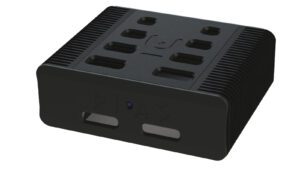
Ultrafide Audio DIAS-U8
- Sep 07, 2026
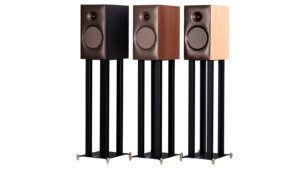
Revival Audio Sprint 3
- Aug 31, 2026
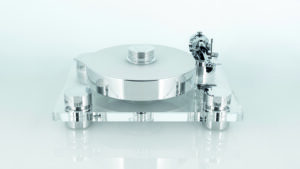
Transrotor Bellini TMD, TRA 9, Figaro
- Aug 31, 2026
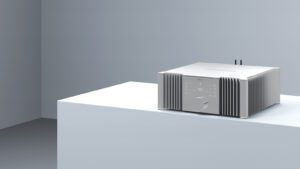
Burmester 232
- Aug 31, 2026