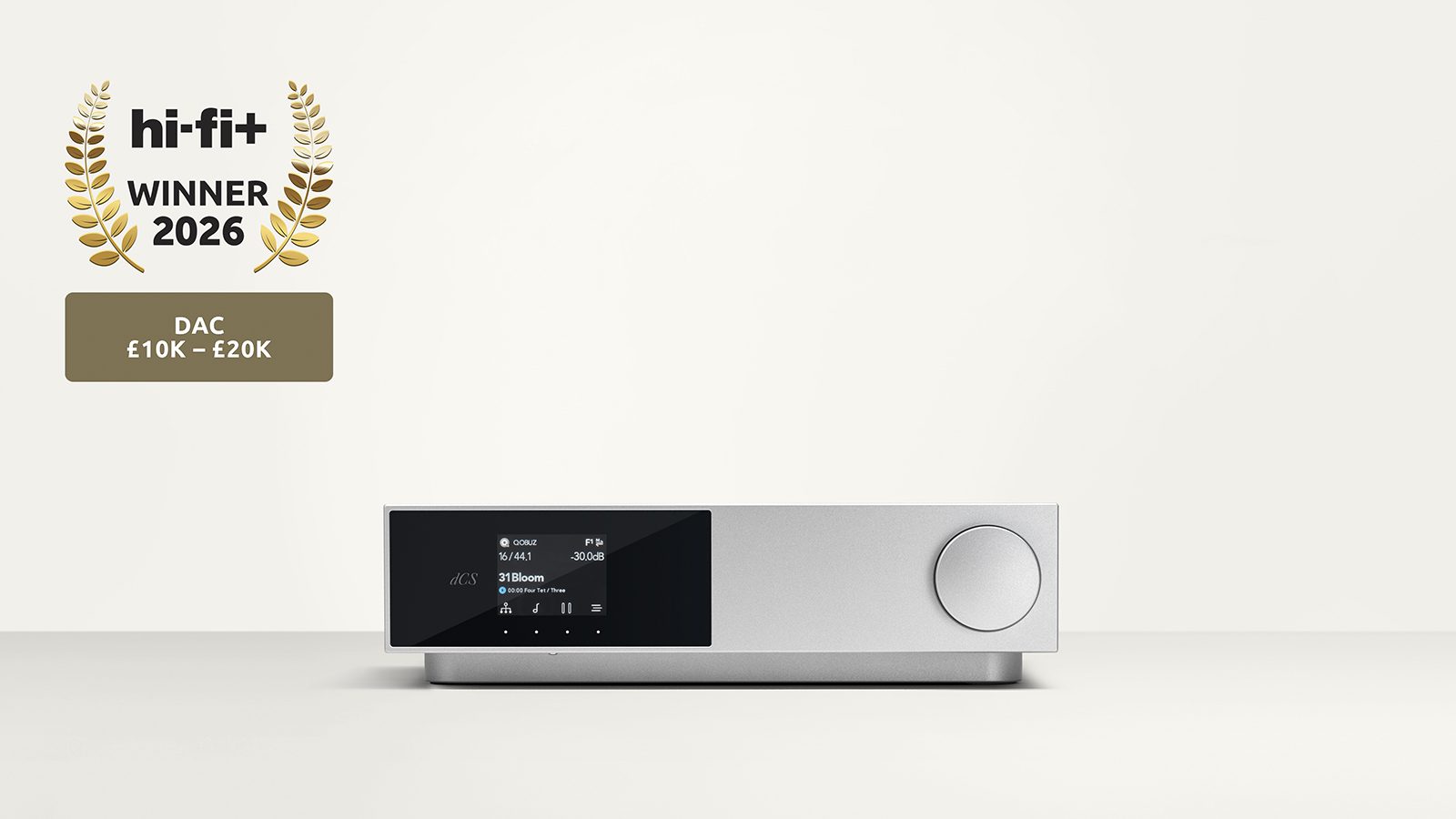
Winner: 2026 Awards - DAC £10k-£20k
dCS Lina DAC X
View Specifications
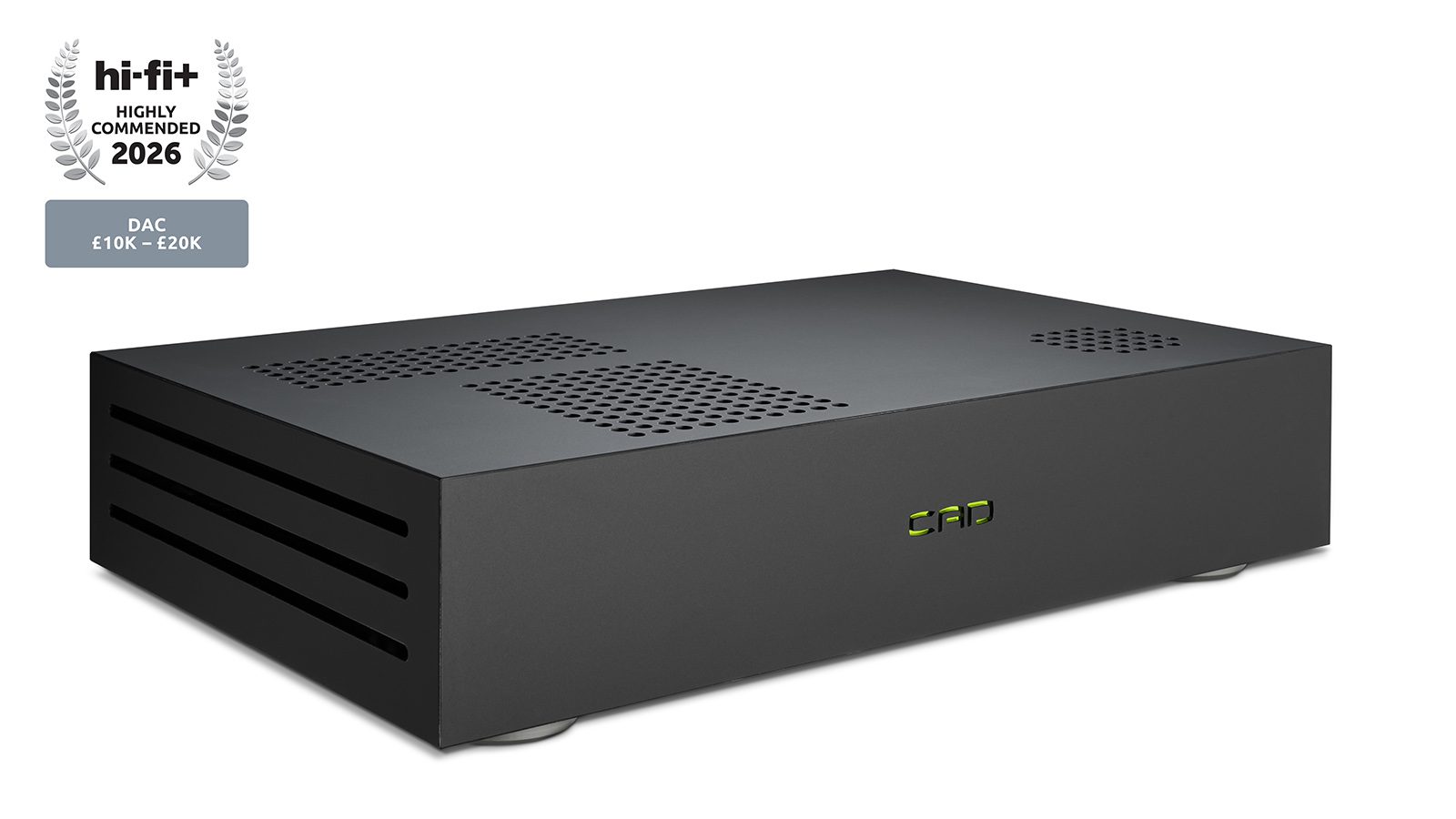
Highly Commended: 2026 Awards - DAC £10k-£20k
Computer Audio Design 1543 MkIII
View Specifications
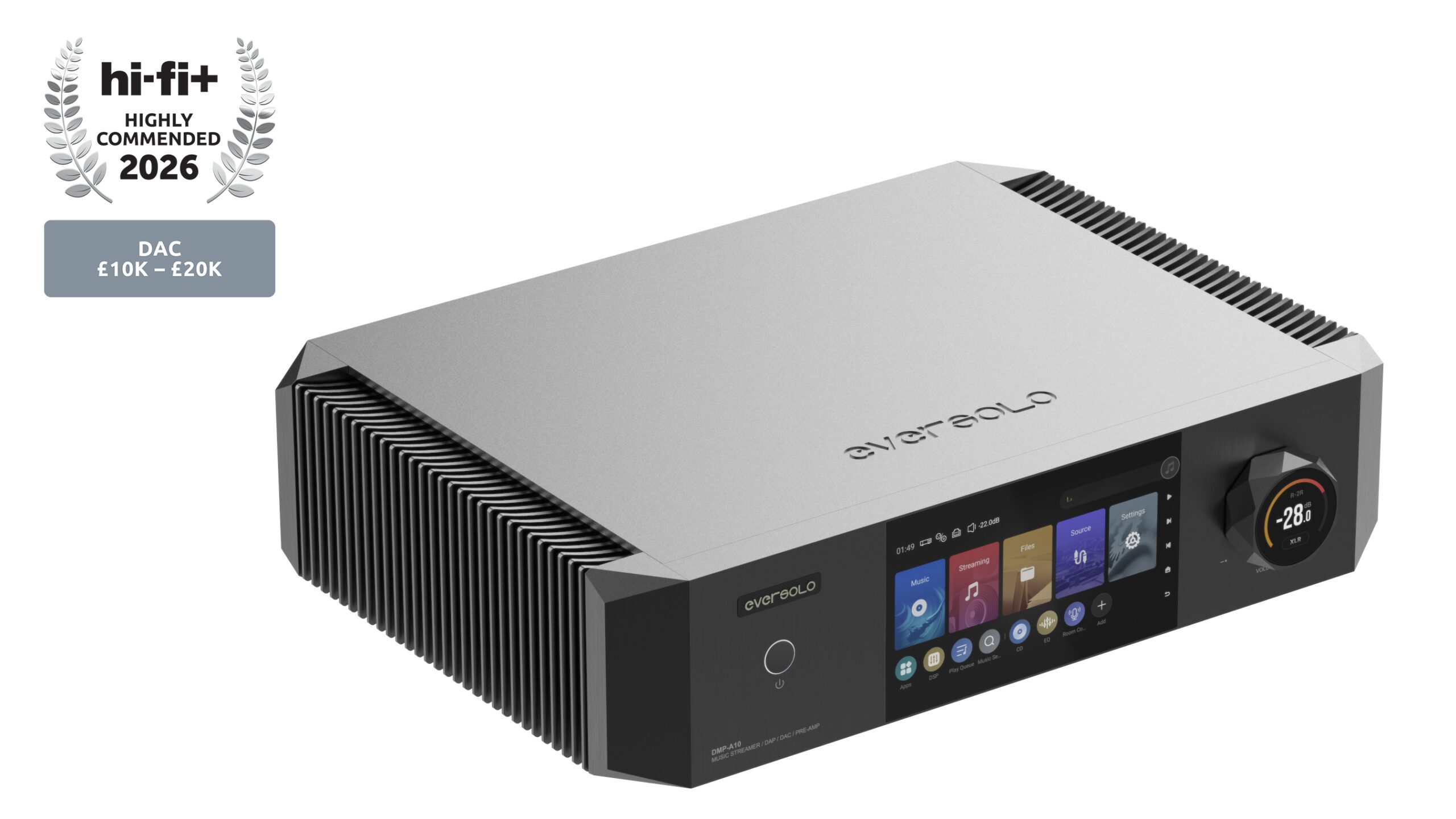
Highly Commended: 2026 Awards - DAC £10k-£20k
Eversolo DMP-A10
View Specifications
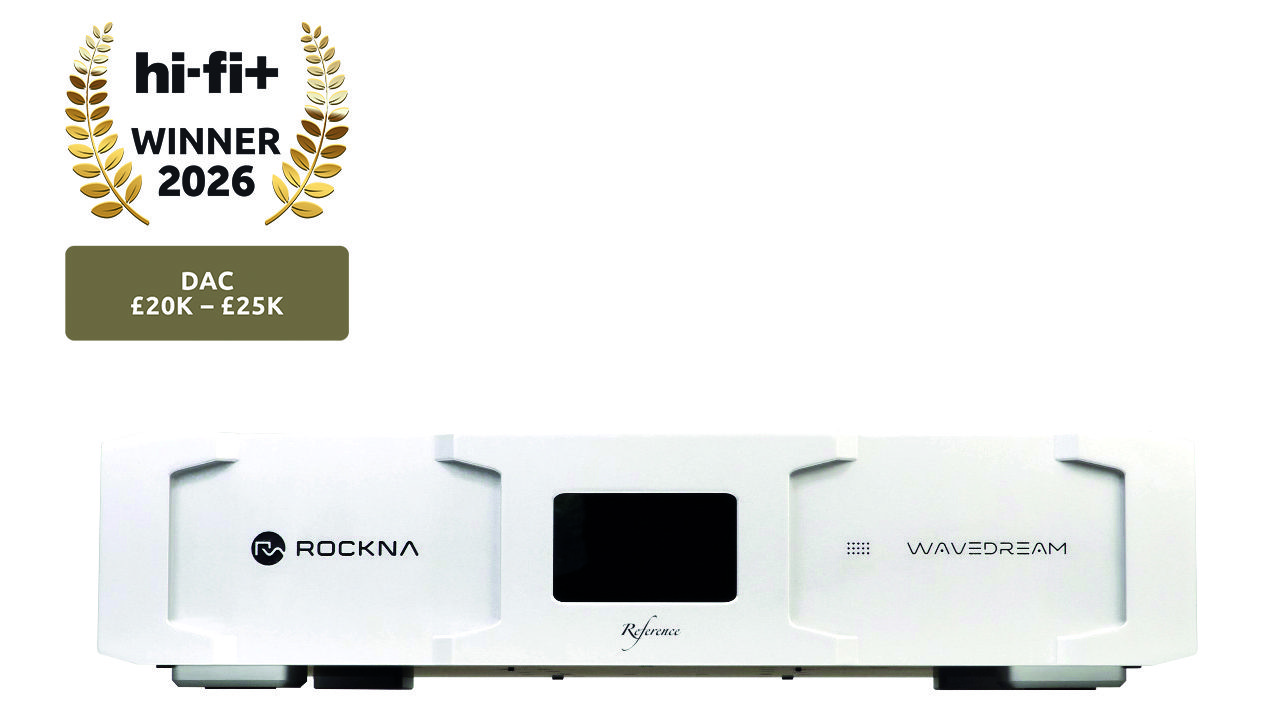
Winner: 2026 Awards - DAC £20k-£25k
Rockna Wavedream Reference Signature
View Specifications
Highly Commended: 2026 Awards - DAC £20k-£25k
Allnic Audio D-15000 Signature OTL/OCL
View Specifications
Highly Commended: 2026 Awards - DAC £20k-£25k
Master Fidelity NADAC D
View Specifications
Winner: 2026 Awards - DAC Over £25k
EMM Labs DA2i
View Specifications
Highly Commended: 2026 Awards - DAC Over £25k
Metronome c/AQWO 2
View Specifications
Winner: 2026 Awards - DAC £10k-£20k
dCS Lina DAC X
By dCS standards, the £13,500 Lina DAC X is quite modest. But outside of that context, ‘modest’ is by no means a suitable adjective to describe it. The design builds upon, and is a line-level version of, the headphone-focused Lina range, with an increase in chassis size (to 44cm wide) and a large volume knob the main aesthetic distinctions.
The Lina DAC X can drive a power amplifier directly through its XLR and RCA outputs. And on the input side it is flush with two AES/EBUs, one S/PDIF BNC coax, an S/PDIF RCA, a Toslink optical, an asynchronous USB-Type B and a USB-A. To access the DAC’s comprehensive built-in network streaming suite and make playback adjustments (such as setting output voltage and filters) in the accompanying Mosaic app, the Lina DAC X must be connected to a network cable; it doesn’t operate wirelessly.
A timeless classic
Tested alongside the Lina Clock, which gives additional spatial information that is highly worthwhile, the Lina DAC X convinces more than any other network DAC reviewer Rafael Todes has come across at this price level. Playing Bach Brandenburg No 4, conducted by Raymond Leppard with the ECO, he says: “The colours and textures of the instruments are all beautifully portrayed… utterly credible and highly communicative and enjoyable. There is a precision to the attack of the bows on strings, notes start and stop with accuracy, [and] the different textures of the strings, harpsichord and two recorders are kept sanitarily separate.” Add to that flawless timing and impeccably layered soundstaging, and the Lina DAC X rightly earns its place in the dCS Hall of Fame.
dCS • dcsaudio.com
Highly Commended: 2026 Awards - DAC £10k-£20k
Computer Audio Design 1543 MkIII
CAD stands for ‘Computer Audio Design’, but it might as well be ‘Compromise Avoidance Design’, such is the purity of its products. Indeed, its 1543 MkIII DAC has a single asynchronous USB input and a pair of RCA outputs – and that’s it. CAD’s Scott Berry is passionate about getting the best sound possible from digital audio – specifically, a USB signal – and is committed to the Philips TDA 1543 chipset, despite its max 176.4kHz sampling rate, which only those obsessed with hi-res files should be put off by.
This third-gen 1543 now has 20 ladder DACs (up from 16), which increases the output current, improves signal-to-noise and drops output impedance. The five power transformers are no longer toroidal but custom EI types chosen for sound quality reasons, and the USB input has lower phase noise oscillators as well as new galvanic isolation circuitry. Finally, the chassis now wears Krion composite (as opposed to rubbery) feet.
Extra caffeine dose
Reviewer Jason Kennedy, who has tested all three 1543 DACs, says that while the earlier two generations had a relaxed and natural balance, this latest iteration is more exciting. “The CAD 1543 MkIII is still a beautifully relaxed and refined DAC, making much of the competition sound grainy and forced,” he says. “However, it has more spring in its step, which is great for timing and appears to have no drawbacks, even for someone who loves relaxed sound.” That energy comes through without any digital hardness either.
Its authentic and honest tone is perhaps its strongest aspect, though; “you feel it is telling the unvarnished truth,” notes Jason. It’s a real and rare treat.
Computer Audio Design
computeraudiodesign.com
Read more Computer Audio Design reviews here
Highly Commended: 2026 Awards - DAC £10k-£20k
Eversolo DMP-A10
Anyone who has even a fleeting interest in the realm of network music streamers will have likely noticed the buzz Eversolo has deservedly generated in the budget-to-mid market by delivering high-value performances in visually appealing, well-equipped boxes, and the DMP-A10 network DAC/preamp is a clear display of the Chinese company’s prowess.
It’s specified to the nines for such a product, with inputs spanning RCA, XLR, S/PDIF, optical, HDMI ARC, USB-Type B and Bluetooth, and a spread of digital and analogue outputs almost as generous. Wi-Fi as well as LAN and SPF Fibre sockets facilitate the DMP-A10’s Roon readiness, UPnP and DLNA compliance, and streaming service support, accessible via the Eversolo Control app (which also allows for granular playback adjustments). There are even two SSD card slots to enhance local storage by up to 8TB. Digital content is managed by an ES9039 PRO DAC chipset supporting resolutions up to 32-bit/768kHz and DSD512. And the Eversolo Original Sampling-rate audio engine guarantees the original sample rate of content from music apps and streaming services.
Jack (and master) of all trades
So far, so good, and the DMP-A10 brings it home with a sound that is tonally expertly judged, delivers a uniform frequency response and is as entertaining as it is informative. “It has a level of detail retrieval that might make a scene-of-crime investigator envious,” says Simon Lucas in his review. “Dynamic headroom is significant, enabling confident tracking of shifts in intensity or volume… rhythmic expression is compelling, thanks to the control the DMP-A10 exerts over the attack of low-frequency sounds”. As a DAC, the Eversolo compares favourably with some of the most accomplished sources available.
Eversolo • eversolo.com
Winner: 2026 Awards - DAC £20k-£25k
Rockna Wavedream Reference Signature
Rockna’s original Wavedream pushed the limits of what could be extracted from a digital signal at its price and beyond, and now that decade-old DAC has a successor: the Wavedream Reference Signature. But this is much more than just a ‘tarted up’ evolution; this new design is the culmination of years of research and development.
Using proprietary hardware and custom software throughout – there are no off-the-shelf solutions here – the Wavedream Reference Signature is based on an evolved version of its predecessor’s DAC module, driven by an algorithm embedded into its FPGA. Written into that programmable circuit (as opposed to existing as a separate ‘streamer section’) is a network renderer, seamlessly integrated into the digital front end.
Teeming with tech
The circuit layout differs significantly from the original Wavedream’s, with all-new core, power supply and conversion circuit boards, plus shortened clock and data signal paths with improved connectors. There’s also a linear power supply; a custom Parks-McClellan upsampling filter; a custom Linux-run processor that is, metaphorically, a planet-sized sledgehammer to crack a nut; and a built-from-the-ground-up discrete analogue output stage, designed for the new conversion modules. That the digital clock shuns the typical ‘easy route’ asynchronous sample-rate converter for a more advanced, ASRC-free solution is also significant for performance.
That’s a lot of technology, and it combines to produce outstanding quality – extremely natural, articulate and revealing, with none of the glare or top-end detail of ‘digital sound’. “It joins that select handful of products where you can find ‘different’ in digital, but not ‘better’, no matter the price,” concludes Alan Sircom’s review.
Rockna Audio • rockna-audio.com
Highly Commended: 2026 Awards - DAC £20k-£25k
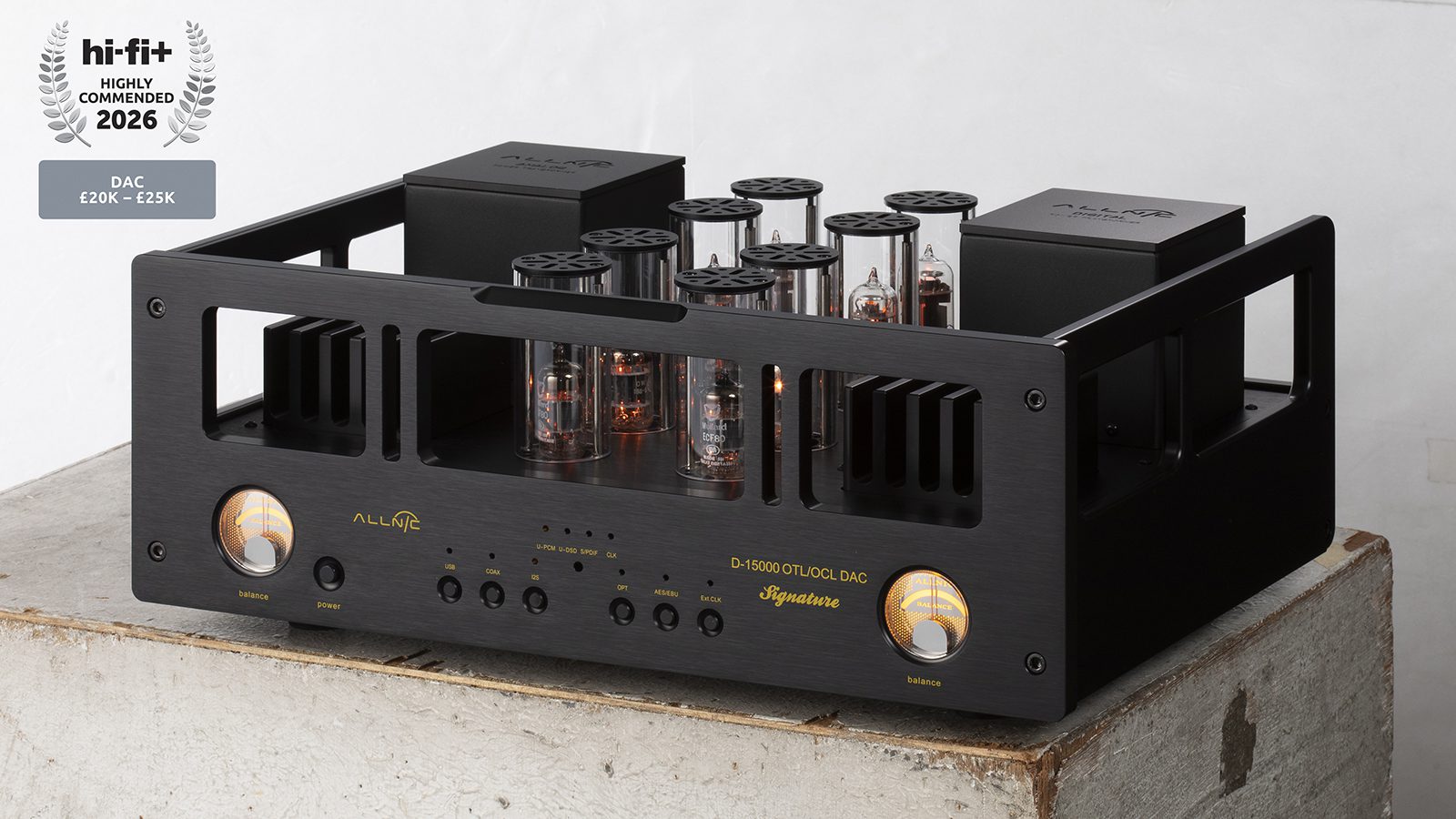
Allnic Audio D-15000 Signature OTL/OCL
When you produce something as highly respected as the D-10000 DAC, the challenge to build something markedly better is always going to be an enormous undertaking. But Allnic Audio has more than met it with its D-15000 Signature OTL/OCL. Similarities between it and its sibling make it easy to wrongly assume that it’s merely a ‘hot-rodded’ version. Sure, they share a central tube group, twin balance meters and nearly identical physical dimensions and weight – but upgrades are abundant. Firstly, the D-15000’s chips advance from dual-mono ES9018K2M to the ES9039PRO. This chip includes ESS’s HyperStream IV architecture, which is cited as a reason SABRE DACs are perceived as sounding ‘clinical’, and also facilitates I2S interfacing. Indeed, Allnic Audio has also added an I2S input, plus a connection for a clock.
The ‘OTL/OCL’ suffix (for the uninitiated, ‘OTL’ stands for ‘output-transformerless’ while ‘OCL’ indicates ‘output-capacitorless’) gives Allnic Audio digital products a smooth refinement and grace. You see, with traditional valve amplifier stages, the sound is predominantly shaped by the transformers and the coupling capacitors. But with Allnic Audio products, the signature sound is largely influenced by their valves, not their metal content. And what a sound it is!
Exceptional transparency
“Its sonic footprint on the music is so subtle that we had to send out search parties with sniffer dogs to try to find it,” says Alan Sircom, describing the D-15000’s extremely transparent, uncolored and musically honest manner. “The connection you feel with the music is so immediate and unlike the typical digital experience… the sense of being swept away by the music keeps recurring.” And that’s without unlocking any added potential through I2S and the additional clock.
Allnic Audio • allnicaudio.com
Highly Commended: 2026 Awards - DAC £20k-£25k
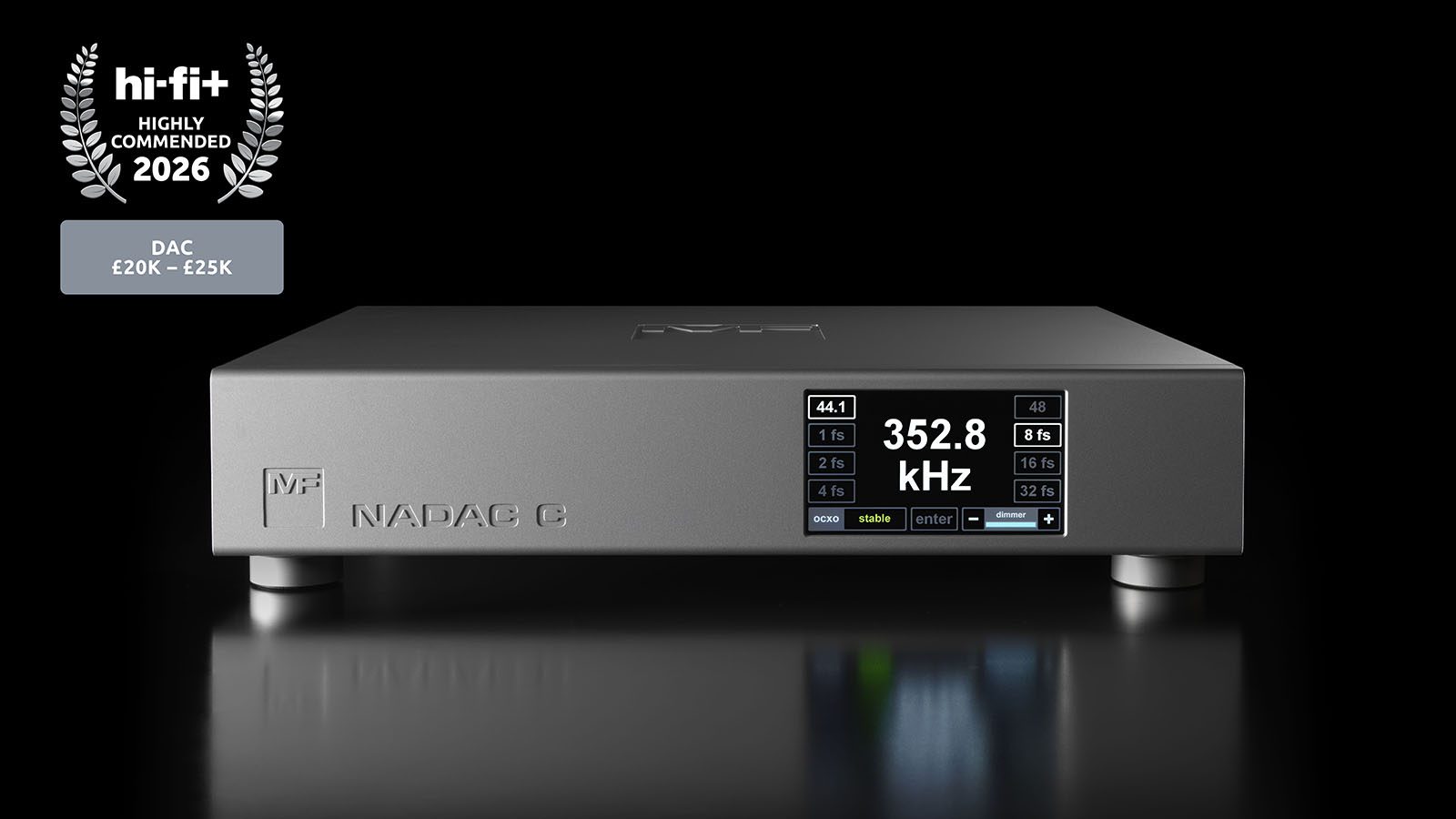
Master Fidelity NADAC D
While DACs nowadays are typically founded upon resistor ladders, multi-bit DAC chips, and DACs implemented on field programmable gate arrays, the NADAC D uses what Master Fidelity believes is the first true one-bit application-specific integrated circuit chip (ASIC) since Philips’ TDA 1547 in 1988. According to the Canadian company’s Design Lead, Weishen Xu, the proprietary chip, which was four years in the making, allows ultra-precise circuit matching, enabling the strict timing demands it requires to be met more easily than other solutions. Optimised for audio use, it supposedly allows a more idealised conversion to analogue than generic programmable devices, too.
Delivers the digital promise
Apart from the customised Amanero USB interface software and Master Fidelity-optimised USB hardware, the NADAC D is entirely proprietary. As true one-bit DSD technology needs precise clocking, the 10MHz internal clock can be bolstered by the external NADAC C clock, which more efficiently reduces jitter (to 66 femtoseconds, with phase noise of -140dBc at 10Hz and -160dBc at 100kHz).
Here, digital delivers on its long-promised technical superiority. “The NADAC’s performance is so detailed, so dense, yet at the same time so vital and so natural, that on many occasions it causes household listeners to fall into stunned silence, not just at the degree of technical competence, but at the ease with which the performance presses emotional buttons as well,” reads Kevin Fiske’s review. Six weeks into testing, vinyl fanatic Kevin hadn’t once reached for his record collection.
Master Fidelity • master-fidelity.com
Winner: 2026 Awards - DAC Over £25k
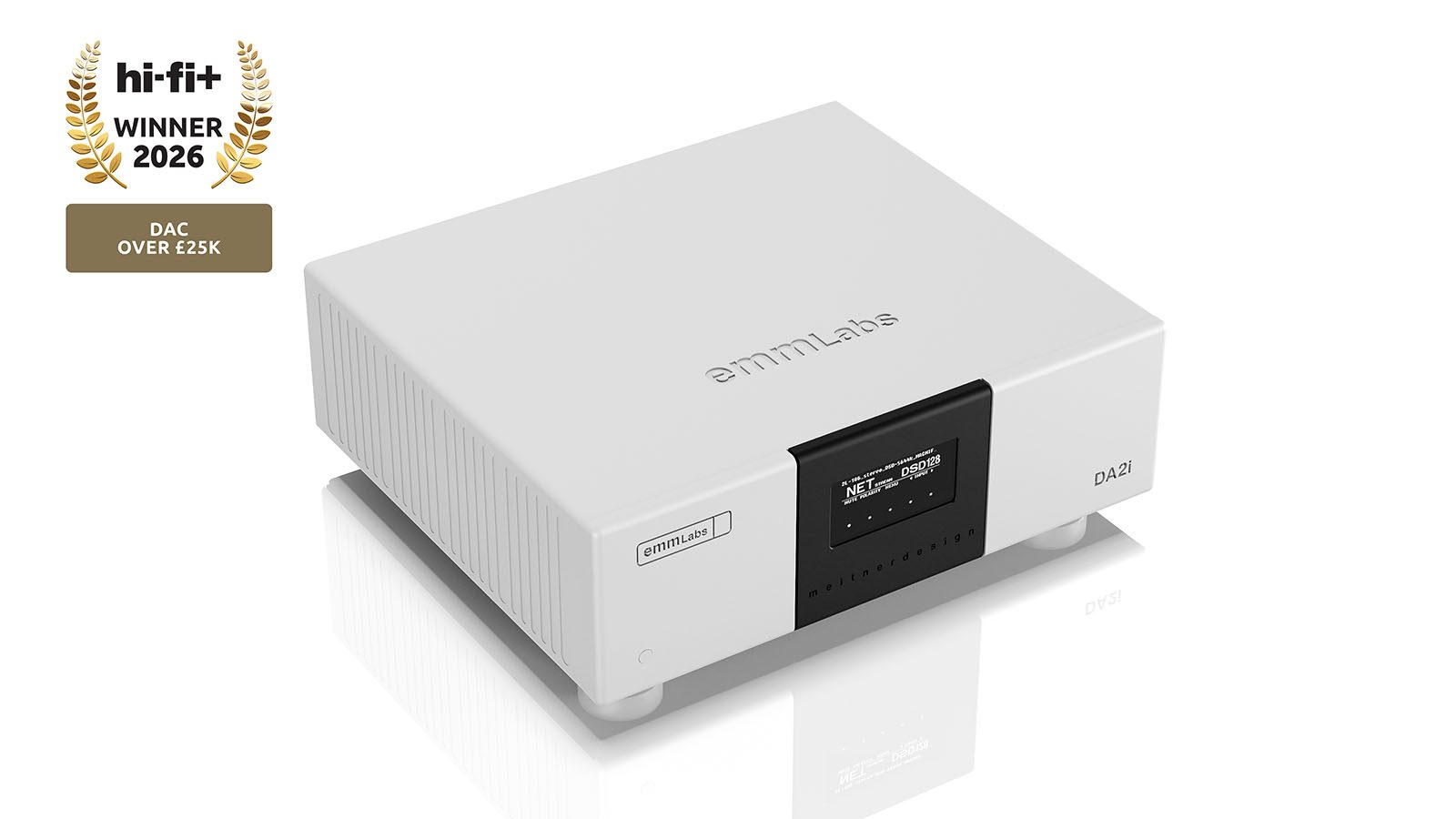
EMM Labs DA2i
EMM Labs was one of the pioneers of digital-to-analogue technology, its founder, Ed Meitner, having been called up by Sony and Philips to assist their new disc project in the 1980s. Today, almost every SACD player available features EMM Labs technology to manage D-to-A conversion, and the culmination of the brand’s expertise lies in its own all-new flagship DAC, the DA2i.
Drawing on decades of research and engineering, the DA2i design is based around the company’s proprietary, discrete, Dual Differential DSD1024 DAC with new Class A outputs, and is surrounded by similarly high-calibre architecture, including aerospace-grade ceramic circuit boards, an in-house designed power supply and EMM Labs’ MCLK3 proprietary master clock (included in a single-chassis unit). In addition to a range of expected inputs and streaming support for music services, internet radio, DLNA/UPnP and Roon is a proprietary EMM OptiLink, which enables direct connection of CD/SACD data to the DA2i DAC for conversion. A high-end power cord from Kimber Kable is a nice finishing touch, and crucially for a product of this stature, hardware upgrades will appear over time.
Unparallelled talent
“The single best DAC I have ever had the privilege of listening to” is how Eric Neff describes the DA2i. He is categorically convinced by the “unparalleled depth and detail” and the stunningly lifelike tone and timbres of the DAC’s presentation with all the music he played, from the London Symphony Orchestra to Donald Fagen to Led Zeppelin, the EMM Labs reference “delivering a completeness that many audiophiles ascribe to vinyl”.
While you will pay well for the privilege, the apex of EMM Labs’ virtuosity is a worthwhile investment.
EMM Labs • emmlabs-meitner.com
Highly Commended: 2026 Awards - DAC Over £25k
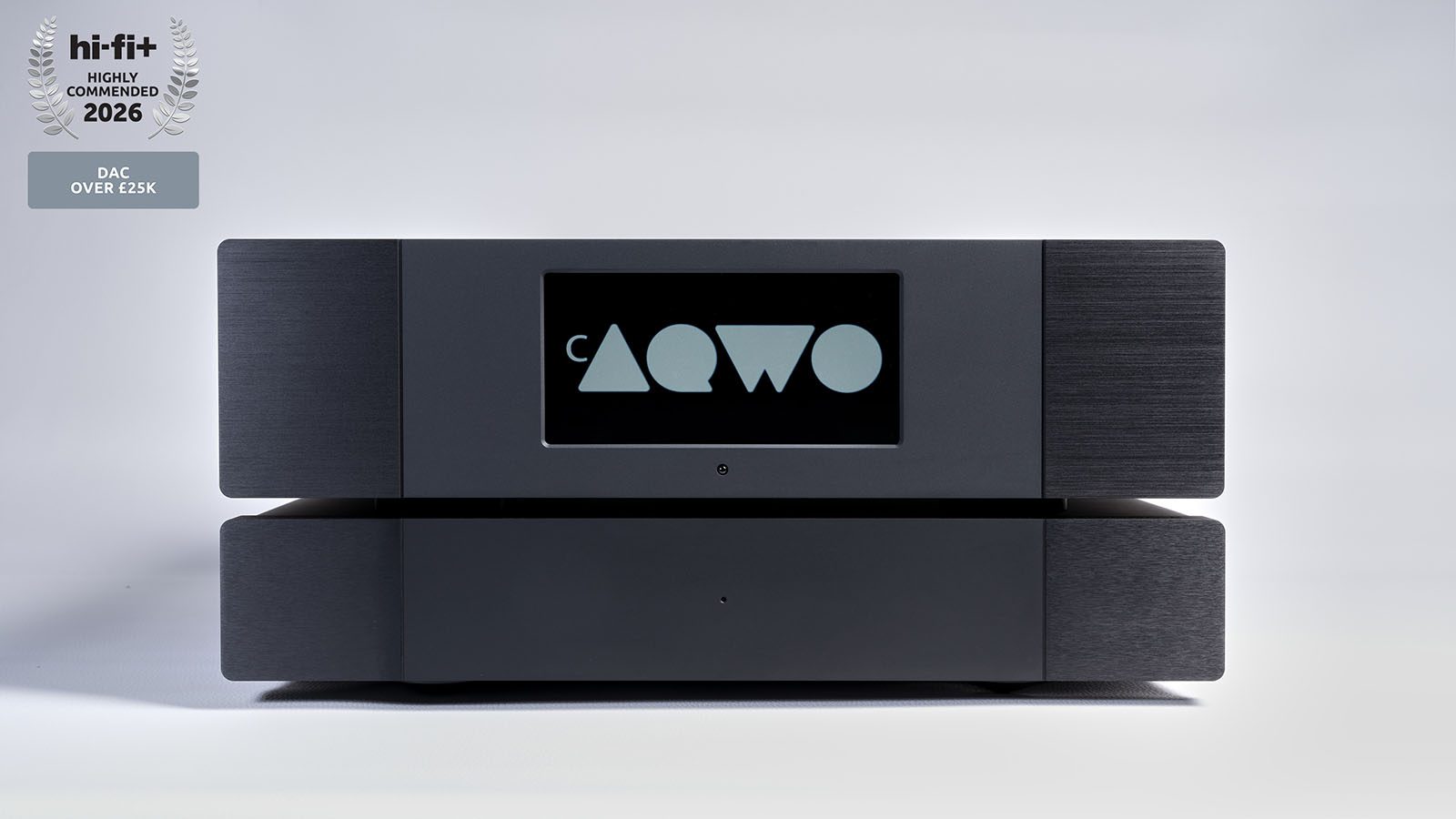
Metronome c/AQWO 2
Fresh from its High End Munich 2025 unveiling, Metronome’s c/AQWO 2 DAC is available with an optional streamer card and a tube output (all reviewed in issue 248) and has been entirely re-engineered over its 2020-released predecessor. It now features what the French company considers the two best converter chipsets available – the ESS 9039M PRO and AKM 4499EX, the latter of which reviewer Chris Frankland finds “more open, with greater subtlety” and “cleaner and more natural” vocal delivery. The c/AQWO 2’s separate Elektra power supply (which also supplies the tube output stage) now features many more different regulation lines for optimal control of the low-voltage power supplies and ideal separation between each stage, too.
This is a fully kitted-out, streaming-savvy DAC, with DLNA/UPnP, Spotify Connect, internet radio and Roon readiness listed on its comprehensive CV, and connections spanning coaxial, optical, AES/EBU, USB Type-B and USB-A inputs and RCA, XLR and I2S outputs. All-encompassing file support includes PCM 32-bit/384kHz, DSD512 and MQA.
Quality inside and out
Designed and manufactured in France, the c/AQWO 2 is a quality product – heavy, robust and beautifully finished, with a lovely seven-inch colour touchscreen hogging the minimalist front panel. And such quality is just as immediately evident in the DAC’s performance when Chris slots it into his system. He experiences a calibre of streamed sound he had not previously come across, praising its emotive expression, lively rhythmic energy, and both the delicacy and strength with which it can deliver dynamics. To his surprise, Chris finds he prefers the tube output sound, too; Julian Lage’s guitar sounds “more three-dimensional” while the cymbal lines have “more sparkle and subtlety”. Worth the asking price? Absolutely!
Metronome • metronome.audio


Trending Articles
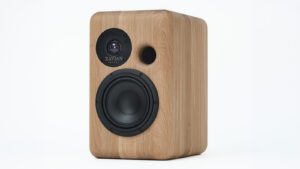

By hi-fi+ Staff
More articles from this editor


Read Next From Blog
See all
Tech Talk: Nigel Bell of Reiki Audio
Nigel Bell is no stranger to high-performance network topologies, thanks to his extensive IT background. But he’s also an audio enthusiast… and these two interests intersect perfectly at Reiki Audio.
- by Alan Sircom
- Oct 06th, 2026
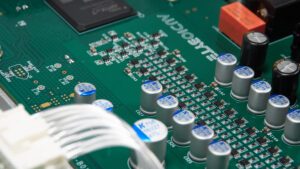
Tech Talk: Nicolae Jitariu of Audiobyte
Alan Sircom spoke to Nicolae Jitariu, the digital expert behind both Audiobyte and Rockna about the Audiobyte brand, the SuperVOX DAC and the challenges faced by modern digital audio designers.
- by Alan Sircom
- Oct 06th, 2026
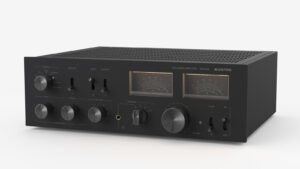
Tech Talk: Wiktor Schulfer of Unitra
The Lead Industrial Designer at the recently reborn Polish brand Unitra speaks to Ed Selley about what it takes to design and build a classic-looking product that’s also thoroughly modern.
- by Ed Selley
- Sep 29th, 2026

Tech Talk: Daryl Wilson of Wilson Audio
Daryl Wilson is the CEO of Wilson Audio. He discusses the company’s origins and the challenges encountered while improving one of its most popular loudspeaker models, the Sabrina V floorstander.
- by Alan Sircom
- Sep 29th, 2026