Contemporary, rock



- Music


- Sonics
- A
- A
- A
Simple Minds created some iconic albums in the 1980s. Their 1982 album New Gold Dream (81-82-83-84) helped define the genre called New Romanticism, especially outside of the UK. But its immediate predecessor, 1981’s Sons And Fascination, and the 1984 follow-up Sparkle In The Rain, were also great. After Sparkle In The Rain, Simple Minds released the mega-hit ‘Don’t You Forget About Me’. For a better understanding of this review and full disclosure, for most people (me included), that was the end of Simple Minds. After ‘Don’t You Forget About Me’ success, they pivoted to playing music designed to meet the demands of 1980s Stadium Rock, rather than stay close to their musical roots.
So, when I saw that in 2016 Simple Minds released an acoustic album – called, perhaps unsurprisingly, Acoustic – with some of their greatest hits, it piqued my interest.
The album starts with a great version of ‘The American’. Lead singer Jim Kerr’s voice may be slightly more rustic than in his prime, and he is not quite as good at retaining extended notes, but it’s still his voice, and he delivers the goods on ‘The American’. Ten seconds into the second track, ‘Promised You A Miracle’, female backing vocals appear, ruining things again. It’s not that there is anything wrong with the quality of the female vocals on the album; it just doesn’t fit with their music.
Acoustic has most of their greatest hits: ‘The American’, ‘Promised You A Miracle’, ‘Glittering Price’, ‘New Gold Dream’, ‘Someone, Somewhere in Summertime’, ‘Waterfront’, ‘Alive and Kicking’, and, of course, ‘Don’t You Forget About Me’. Some obvious hits are missing, though;’Love Song’ and ‘Up On The Catwalk’, for example.
‘New Gold Dream’ is one of the better tracks on the album, but it would have been better without female backing vocals. The phrasing by Jim on ‘Someone, Somewhere In Summertime’ is odd or significantly different than the studio album. Either he felt his voice could not deliver the same phrasing as in the past, or he decided to make a very different delivery. This track is always a good song and has less female backing than other tracks. ‘Waterfront’ is very bombastic on the studio album and is relatively muted, and I could not recognise the track until further in. ‘Waterfront’ is the track that differs the most from the studio album version. The album has the mega-hit ‘Don’t You Forget About Me’. Again, Jim’s phrasing is rather different. The notes and words are the same, but the feeling is quite different. Jim used to jump almost to the start of his lines of singing, which gave it a sense of immediacy and intensity that fit the music and his way of singing well. He has chosen a different way of phrasing on most of the tracks on the album.
Acoustic ends with a cover of ‘Long Black Train’, which is exceptionally well performed and is refreshingly more bare-bones than the rest of the album. This last track highlights the album’s slightly ‘folksy’ feel.
If you expect something like an MTV Unplugged album, this isn’t it; it’s called Acoustic, right? Usually, a ‘less is more’ approach is good for acoustic albums, but this is more of a maximalist rather than a minimalist approach. The drumming seems anonymous and artificial, almost as if they had used electronic drums. This drum sound applies to most of the tracks, and the album feels a little overdone. Acoustic is not the bare bones of Simple Minds, and their tracks are not laid bare. It feels rather over-produced and does not sound that acoustic; it is more like something in between. For new listeners to Simple Minds, start with their original albums, Sons And Fascination, New Gold Dream (81-82-83-84) and Sparkle In The Rain. However, for Simple Minds fans, Acoustic is an enjoyable trip down memory lane, featuring many of their best hits, reimagined for the 21st century.

By Michael Vámos
More articles from this author

Read Next From Music
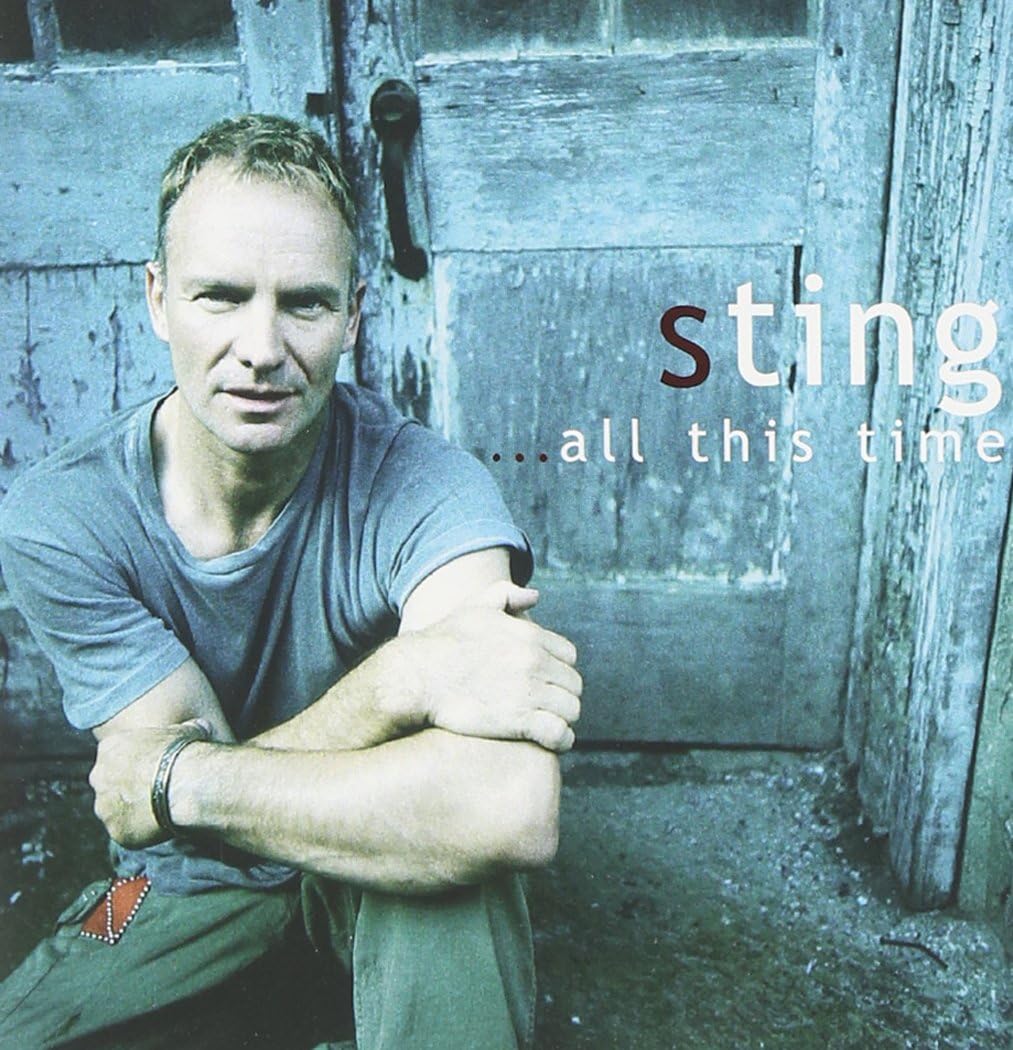
Sting: All This Time (Live)
- Sep 08, 2026
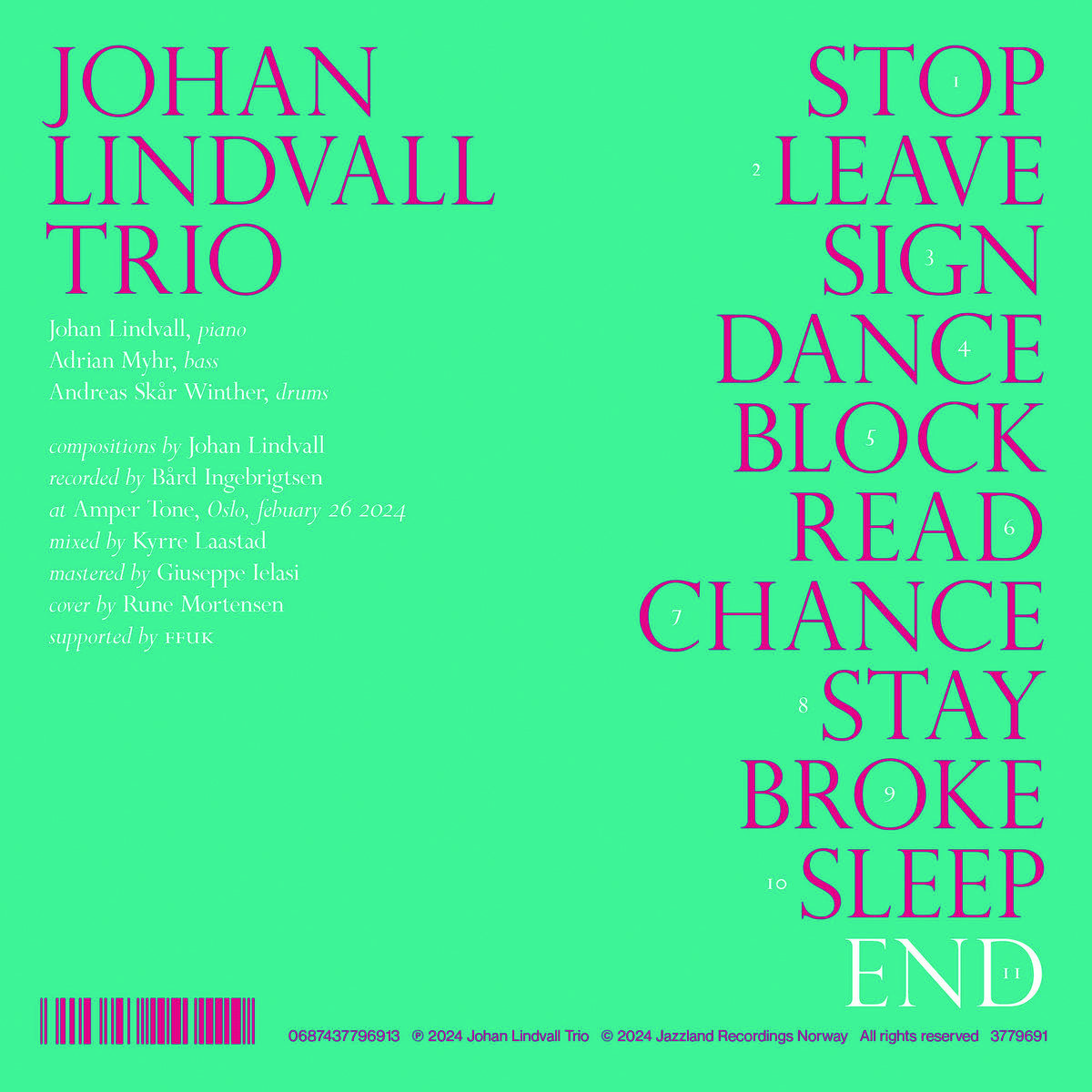
Johan Lindvall Trio: End
- Aug 31, 2026
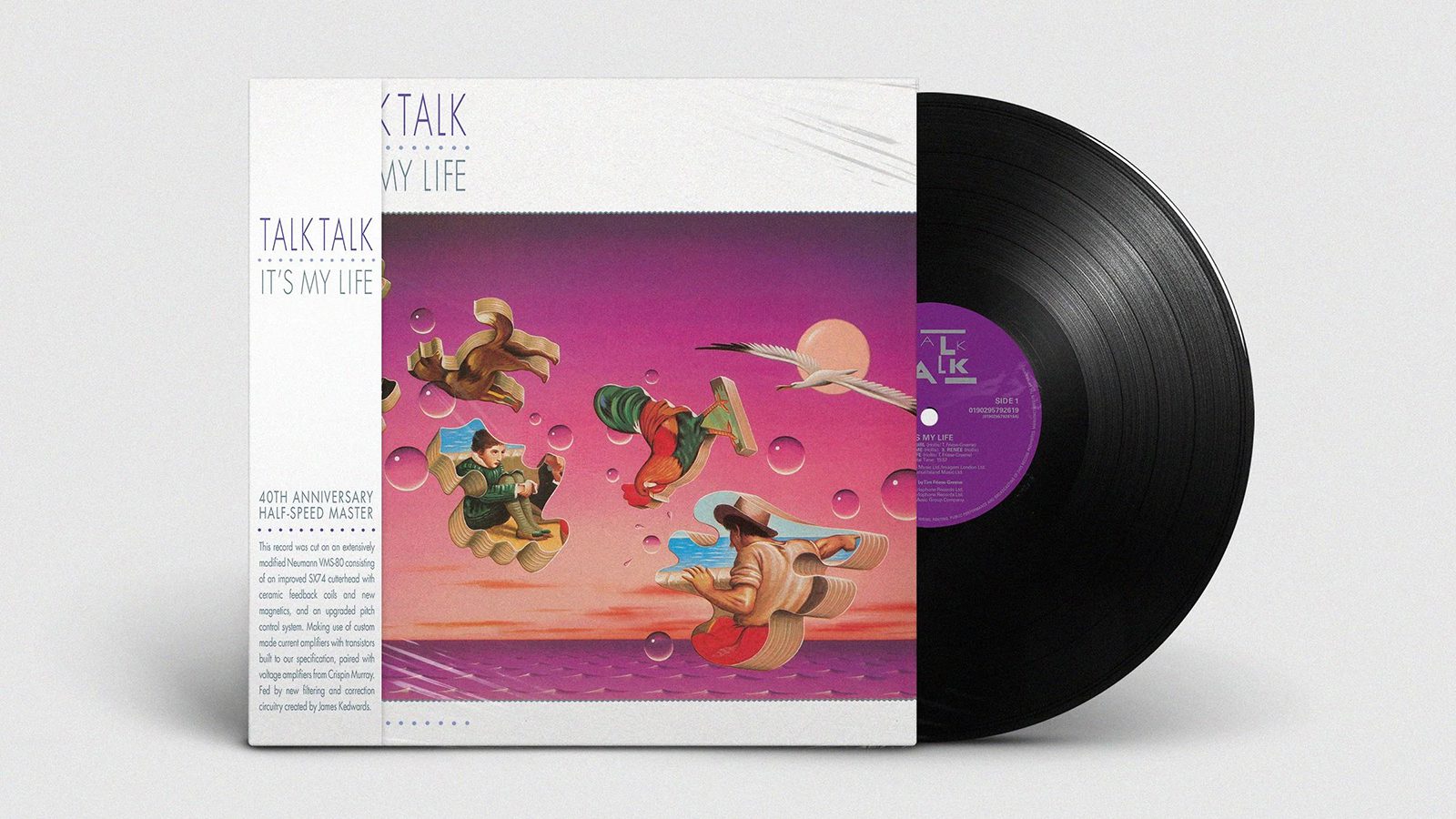
Talk Talk: It’s My Life (40th anniversary)
- Aug 25, 2026
Tom Hickox: The Orchestra of Stories
- Aug 18, 2026